
PETG
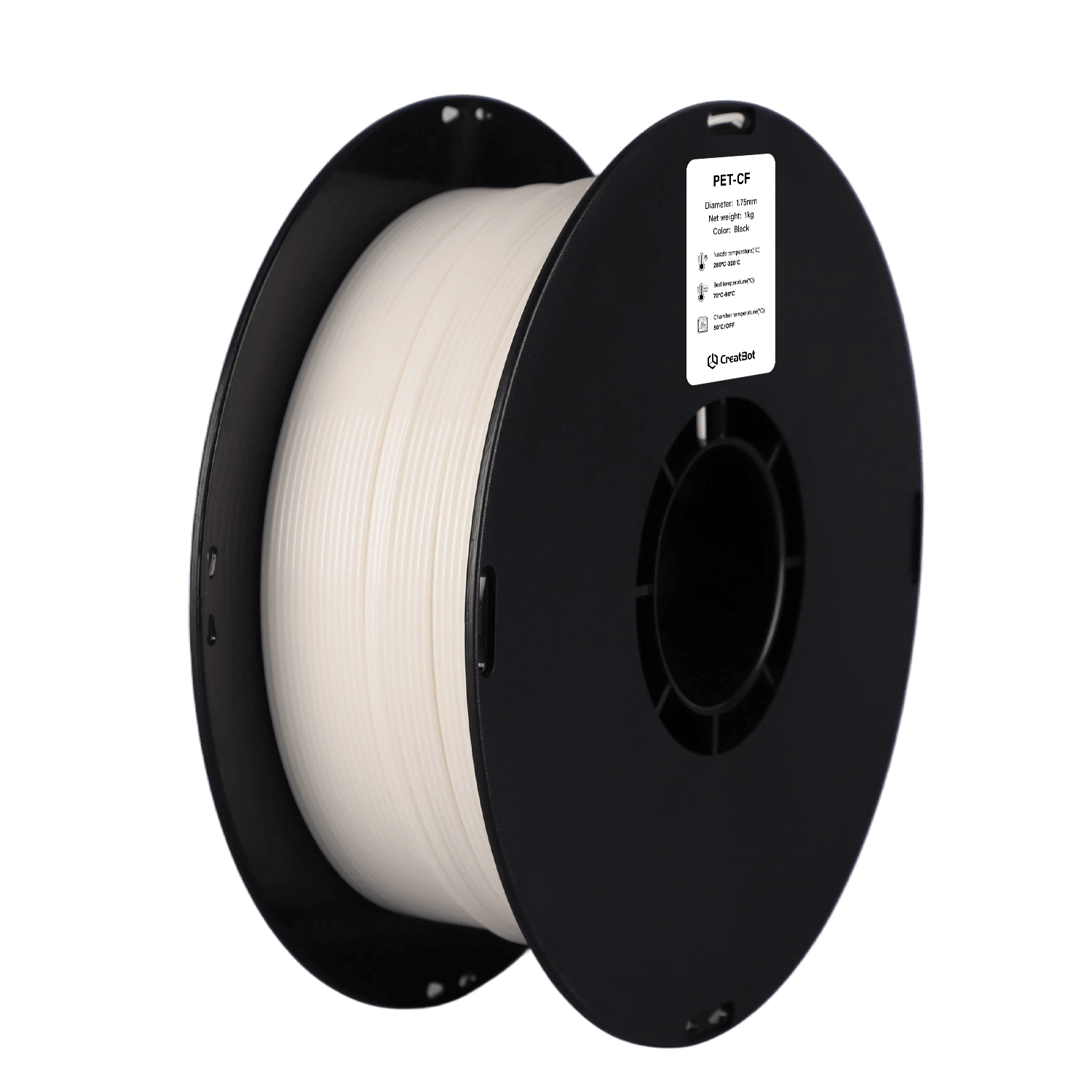
Applications du filament CreatBot PETG

Prototypage

Outillage et montage

Boîtiers

Dispositifs médicaux
Caractéristiques du filament PETG pour impression 3D



Aperçu d'impression CreatBot PETG
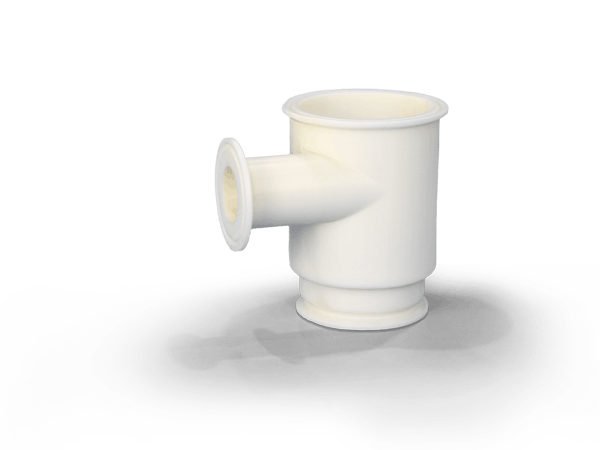
Avantages de l'impression avec les filaments CreatBot
Qualité premium des matières premières
Résine PETG de haute qualité sélectionnée pour assurer la cohérence et la stabilité des performances du matériau.
Étalonné en usine, prêt à imprimer
Réglage de formule adapté aux caractéristiques du matériau PETG, avec des paramètres d'impression exclusifs intégrés dans le logiciel de découpage.
Excellente clarté et résistance chimique
Le PETG combine facilité d'impression, haute transparence et bonne ténacité avec résistance aux huiles et aux acides/alcalis faibles, idéal pour prototypes et emballages.
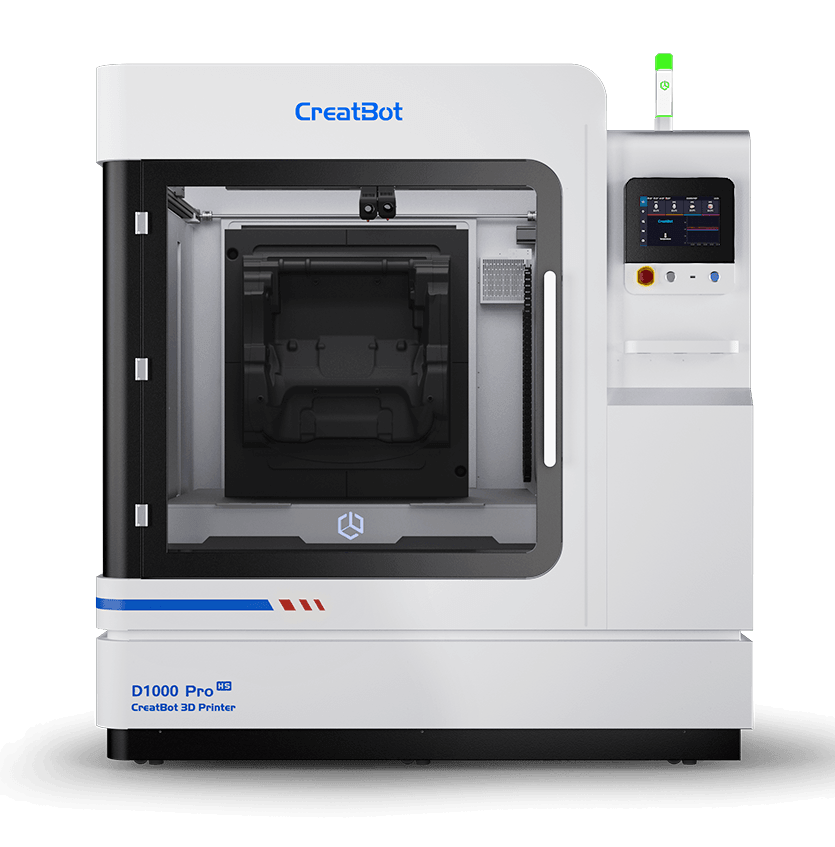
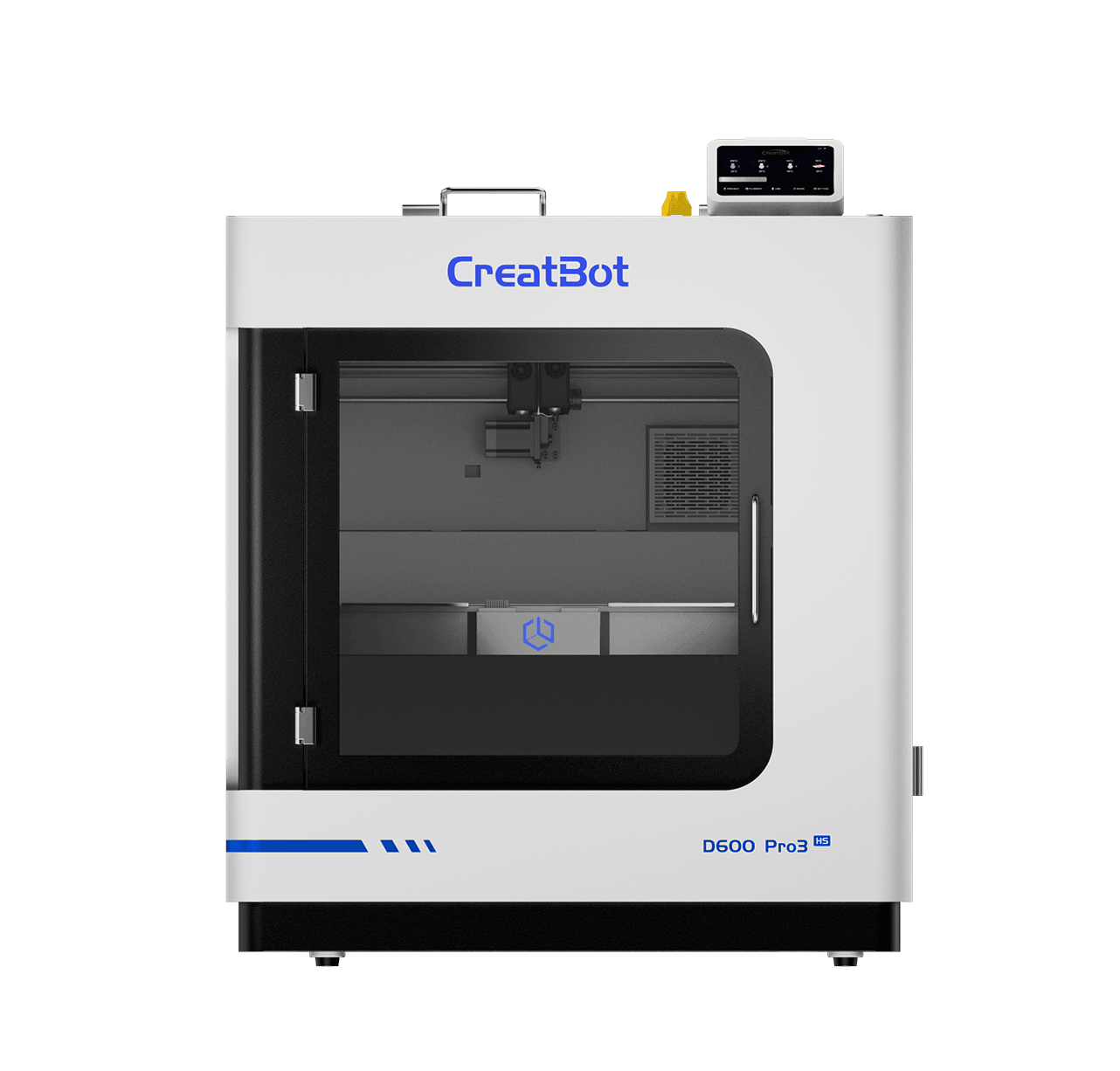
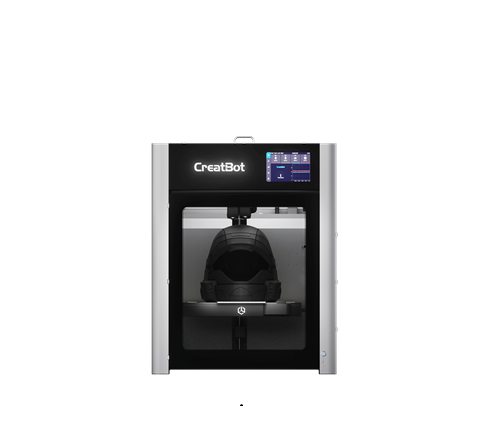
Imprimantes 3D Compatibles
Les imprimantes 3D industrielles CreatBot sont conçues pour les matériaux haute performance. Les modèles suivants disposent d'une chambre chauffée et de buses haute température pour des résultats professionnels.
Fiche technique
| Propriétés physiques | Méthode d'essai | Données |
|---|---|---|
| Densité | ISO1183 | 1.25g/cm³ |
| Absorption d'eau à saturation | 25℃,55%RH | 0.45% |
| Indice de fluidité | 240℃,2.16 kg | 22.6g/10 min |
| Température de fusion | DSC,10℃/min | / |
| Température de ramollissement Vicat | ISO 306,GB/T 1633 | 69℃ |
| Température de déformation à chaud | ISO 75,0.45MPa | 71℃ |
| Propriétés mécaniques | Méthode d'essai | Données |
|---|---|---|
| Résistance à la traction XY | ISO 527, GB/T 1040 | 50 MPa |
| Résistance à la traction Z | ISO 527, GB/T 1040 | 34 MPa |
| Module de Young XY | ISO 527, GB/T 1040 | 2800 MPa |
| Module de Young Z | ISO 527, GB/T 1040 | 2560 MPa |
| Allongement à la rupture XY | ISO 527, GB/T 1040 | 9.6% |
| Allongement à la rupture Z | ISO 527, GB/T 1040 | 5.3% |
| Résistance à la flexion XY | ISO 178, GB/T 9341 | 76 MPa |
| Résistance à la flexion Z | ISO 178, GB/T 9341 | 56 MPa |
| Module de flexion XY | ISO 178, GB/T 9341 | 1980 MPa |
| Module de flexion Z | ISO 178, GB/T 9341 | 1730 MPa |
| Résistance aux chocs XY | ISO 179, GB/T 1043 | 34.2 kJ/m² |
| Résistance aux chocs Z | ISO 179, GB/T 1043 | 10.3 kJ/m² |
| Paramètres d'impression recommandés | |
|---|---|
| Conditions de séchage avant impression | 70‑80℃,6‑8 H |
| Température de buse | 230‑260℃ |
| Diamètre de buse | 0.4 / 0.6 / 0.8 / 1.0 mm |
| Traitement de surface de la plateforme d'impression | 3D Printing Spray / PVP Glue Stick / Specialized Adhesive |
| Température de la plateforme d'impression | 70‑90℃ |
| Température de la chambre | / |
| Ventilateur de refroidissement | ON |
| Vitesse d'impression | < 200 mm/s |
FAQ sur le filament PETG
Le PETG combine la facilité d'impression du PLA avec la durabilité de l'ABS: 1) Par rapport au PLA: le PETG offre une meilleure ténacité, résistance aux chocs et à la chaleur avec une HDT de 71℃; 2) Par rapport à l'ABS: le PETG est plus facile à imprimer, ne nécessite pas de chambre chauffée, a peu de retrait et de gauchissement, et une meilleure transparence; 3) Applications: idéal pour les pièces nécessitant ténacité, résistance chimique et transparence. Conseil: PLA pour rigidité et facilité; ABS pour chaleur et résistance; PETG pour ténacité, résistance chimique et transparence.
Paramètres clés pour l'impression PETG: 1) Séchage: 70-80℃ pendant 6-8 heures avant impression; 2) Température de buse: 230-260℃; 3) Vitesse d'impression: recommandée <200mm/s; 4) Rétraction: 2-5mm à 25-45mm/s; 5) Température du plateau: 70-90℃ avec adhésif en spray ou bâton de colle PVP; 6) Ventilateur de refroidissement: activer un refroidissement modéré.
Le PETG offre une transmission de lumière supérieure à 90%, idéal pour les enclos transparents, les abat-jour et les pièces d'affichage. Post-traitement: retrait des supports, finition superficielle avec du papier de verre fin (400-1000 grains) et de la pâte à polir, recuit à 70-80℃ pendant 30-60 minutes, et collage avec de la colle spécifique PETG ou du cyanoacrylate.
Le PETG a une excellente résistance chimique aux huiles, acides faibles, alcalins faibles et alcools. Propriétés thermiques: température de ramollissement Vicat 69℃, température de déformation thermique (0,45MPa) 71℃, température de transition vitreuse environ 80℃. Plus résistant à la chaleur que le PLA mais moins que l'ABS et les plastiques techniques.
Le PETG absorbe un peu d'humidité, avec un taux de saturation d'environ 0,45% (25℃, 55%HR). Stocker non ouvert au sec et au frais, à l'abri de la lumière directe du soleil; ouvert conserver dans des sacs scellés ou des boîtes sèches avec déshydratant; avant impression sécher à 70-80℃ pendant 6-8 heures.
Le PETG convient aux prototypes fonctionnels, contenants d'emballage avec haute transparence et résistance chimique, modèles médicaux avec bonne biocompatibilité, pièces d'affichage transparentes, accessoires industriels et biens de consommation comme les coques de téléphone, montures de lunettes et jouets.
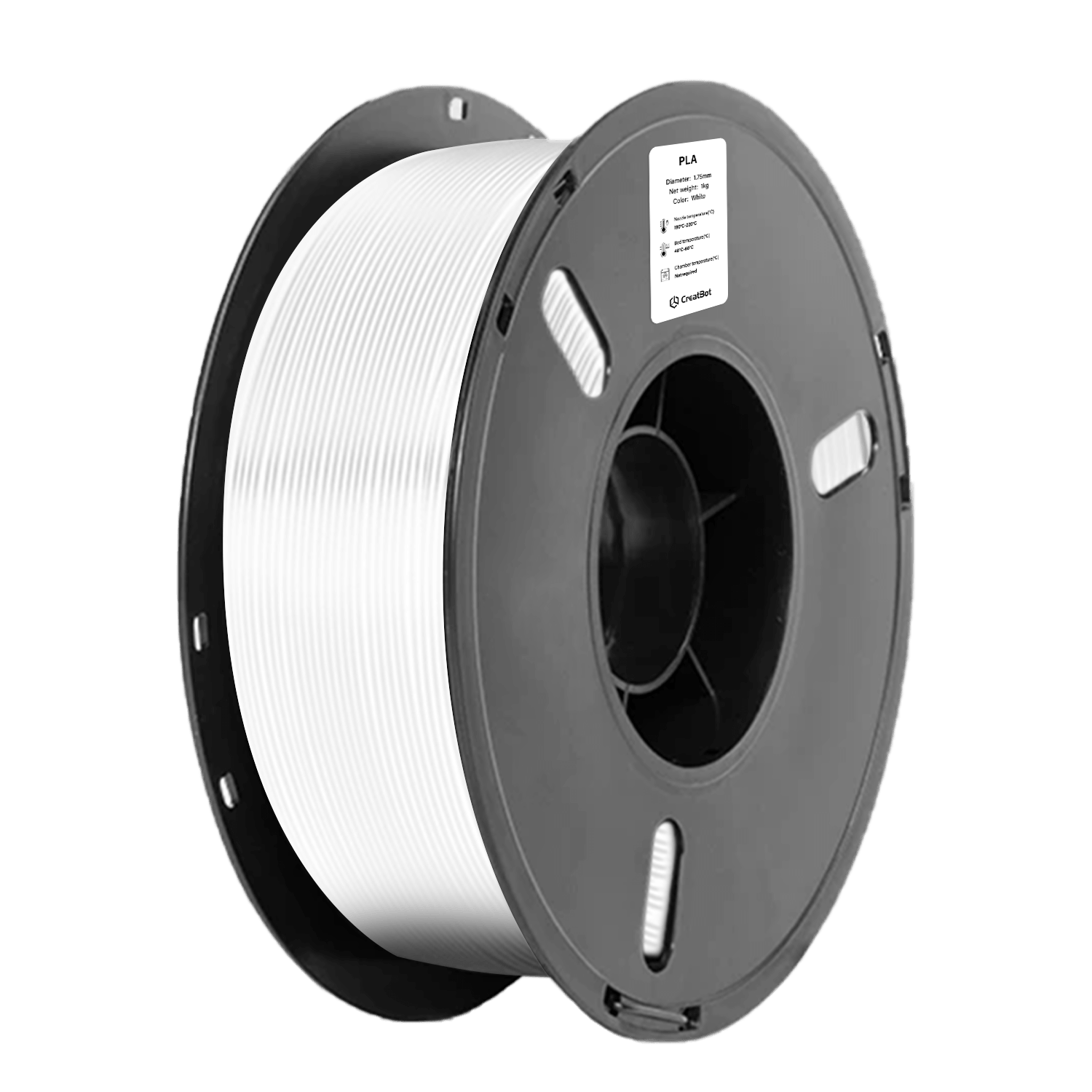
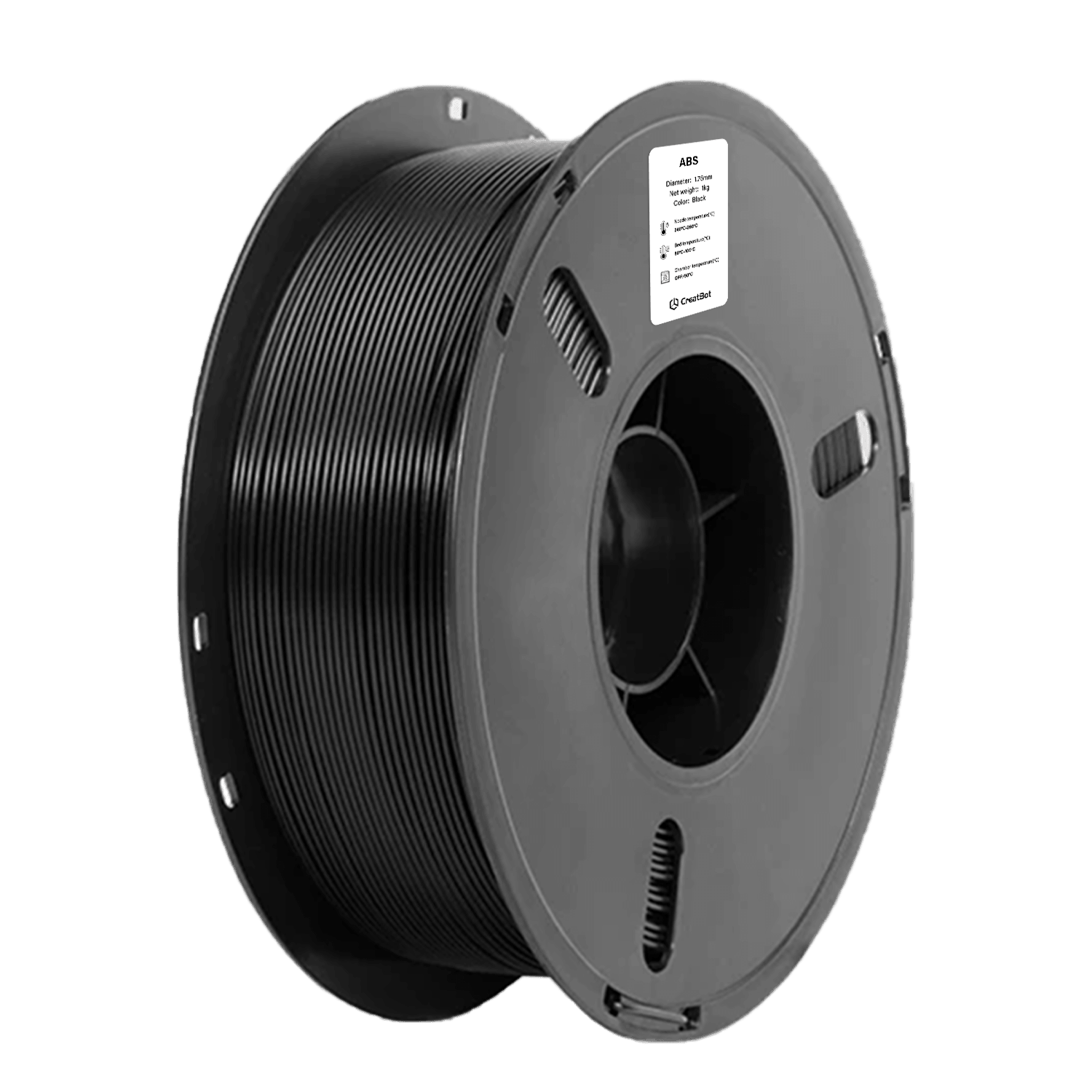
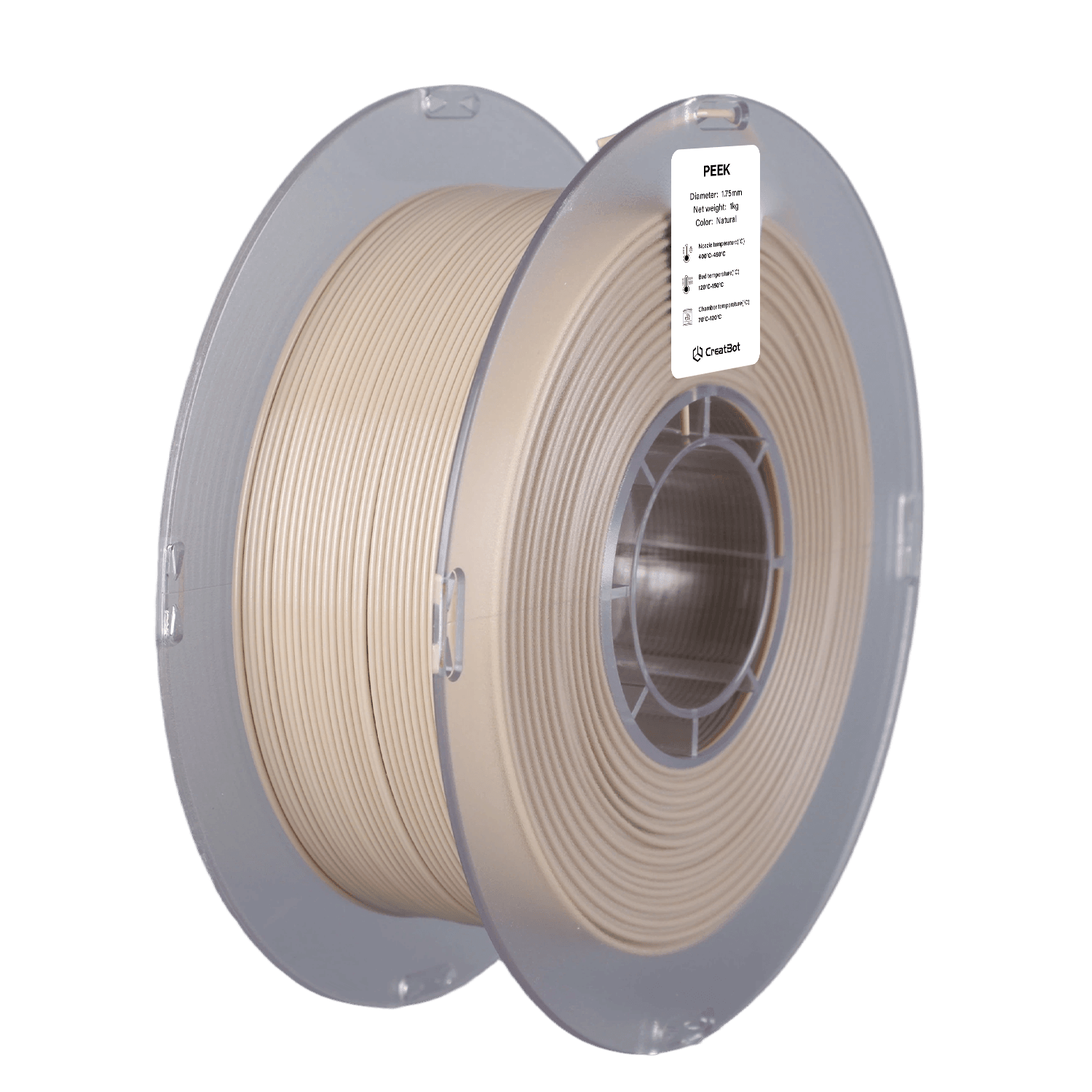
Plus de Matériaux
Contactez-nous


Message
Domaines d'Application
Liens rapides
