
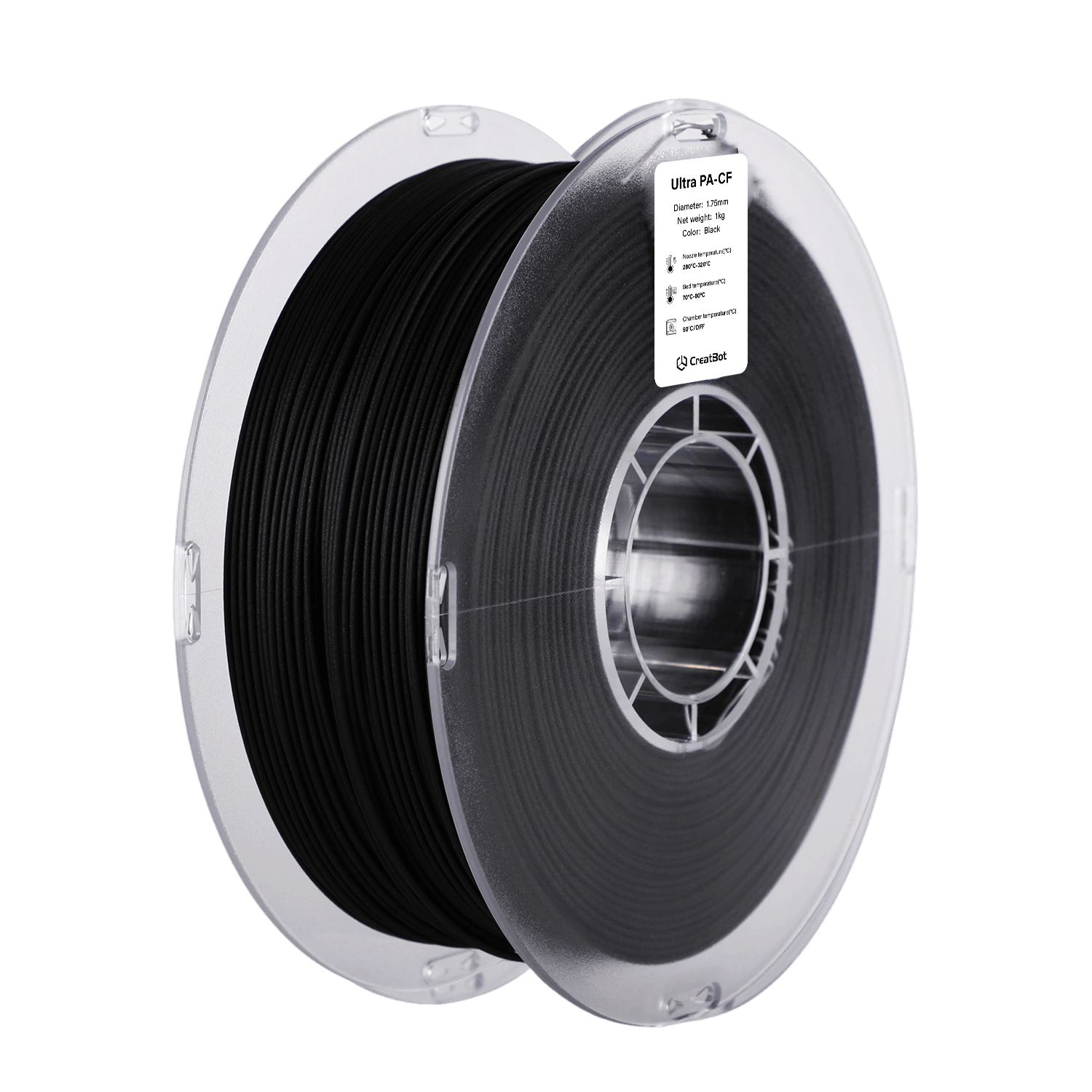
Ultra PA-CF

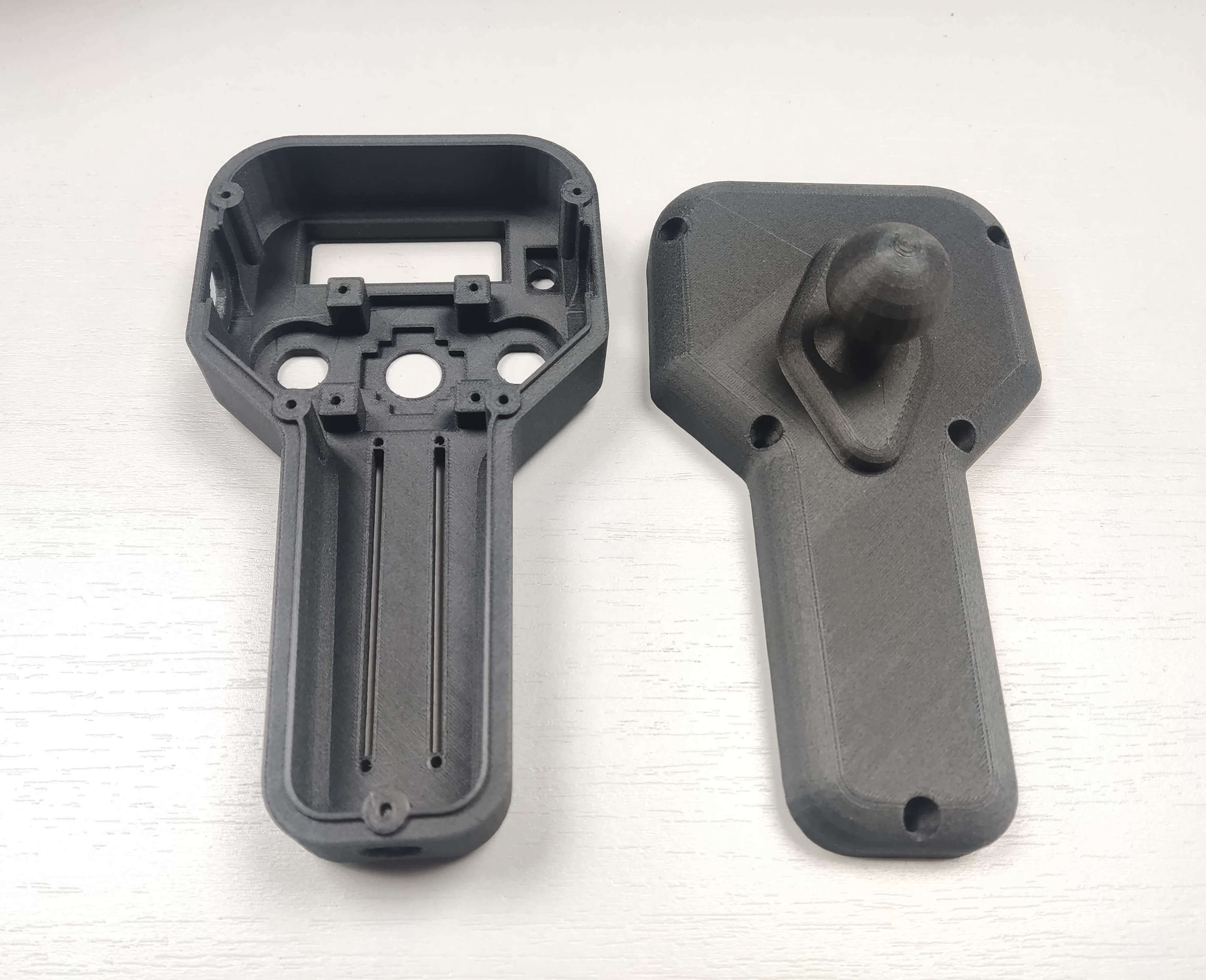
Industrial Machinery Parts

Tooling Fixtures

UAV Manufacturing

Aerospace
Ultra PA-CF 3D Printing Filament Features



CreatBot Ultra PA-CF Print Preview
Advantages of Printing with CreatBot Filaments
Premium Raw Material Quality
Selected virgin polyamide resins and high-quality chopped carbon fiber from top-tier chemical giants, ensuring material purity from the source. Each batch undergoes full inspection of tensile strength, melt index and diameter tolerance before shipment to ensure stable and reliable performance.
Factory-Calibrated, Ready to Print
Filament formulation, melt flow and diameter tolerance (±0.03mm) are calibrated for all CreatBot models, with exclusive parameters built into the slicing software. No need for repeated debugging—unpack and print, even beginners can achieve stable print quality.
Carbon Fiber Reinforcement Advantage
The addition of carbon fiber provides a quantum leap in strength, rigidity and heat resistance while significantly reducing shrinkage and warping. Printed parts exhibit a unique carbon fiber texture, combining structural strength with aesthetic quality, suitable for industrial-grade high-strength functional and structural parts.
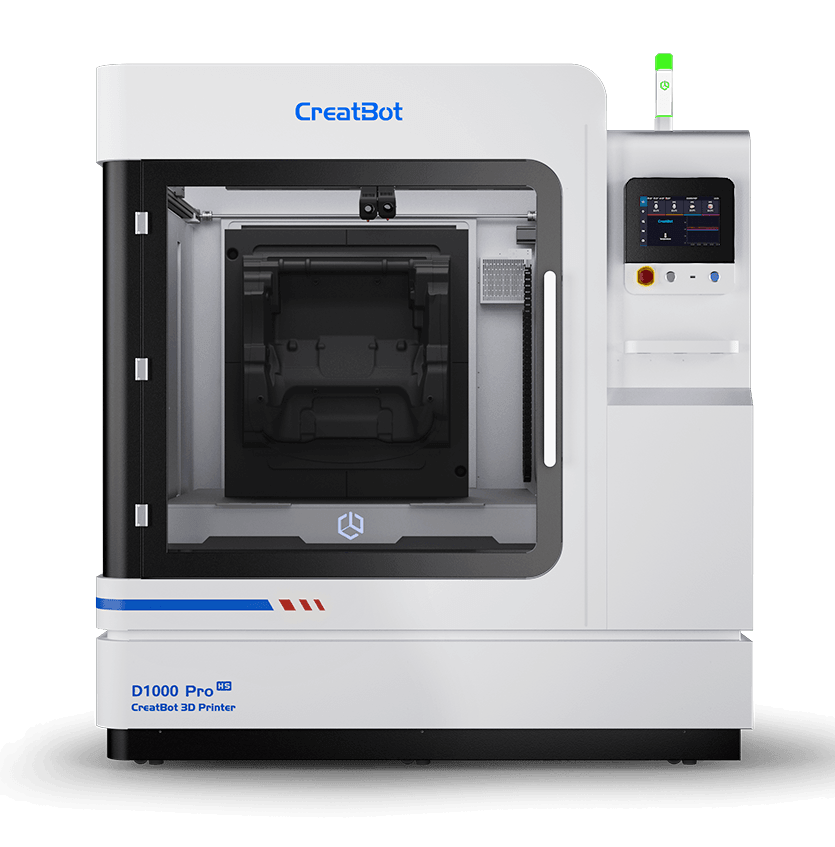
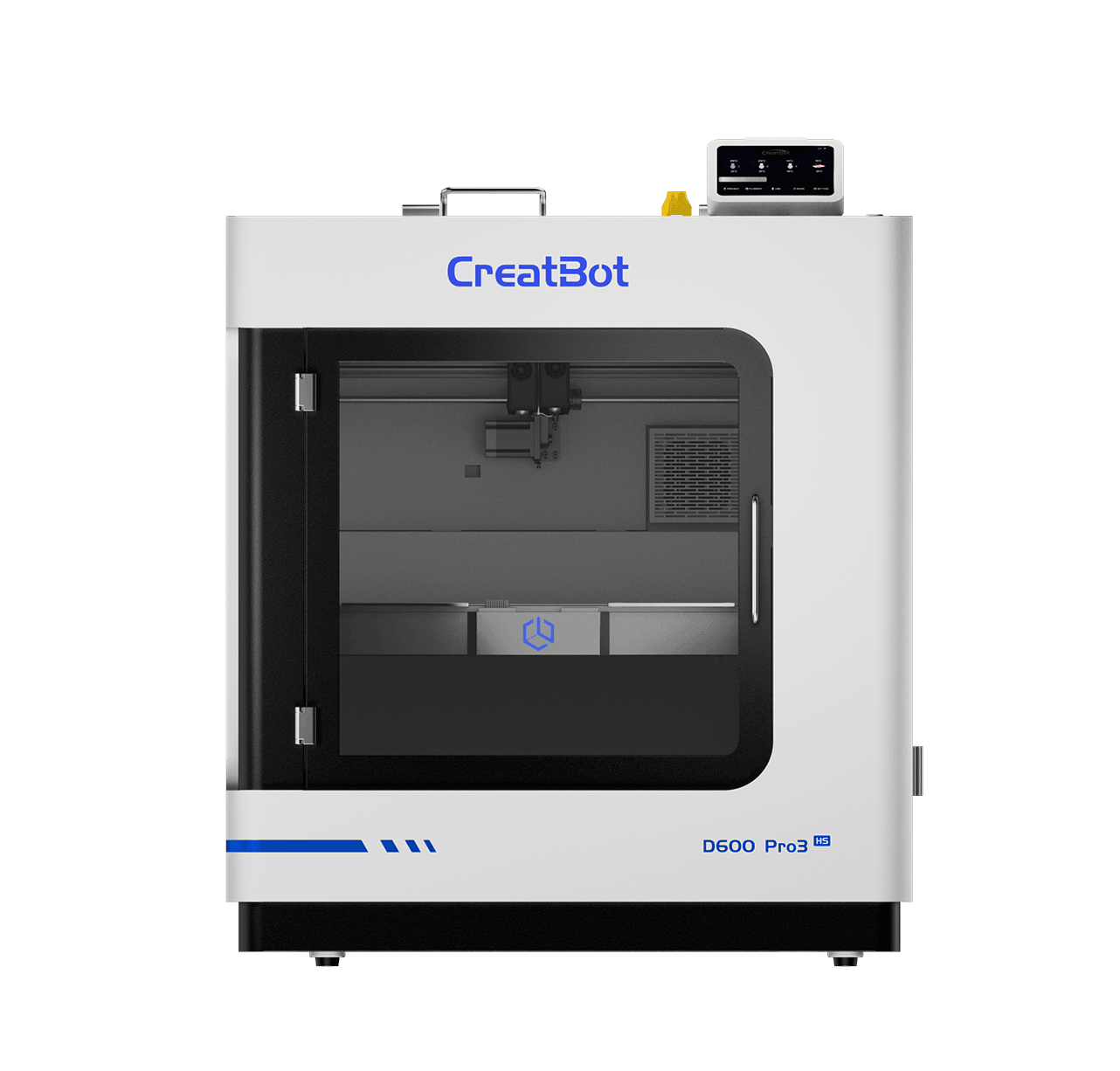
Supported 3D Printers
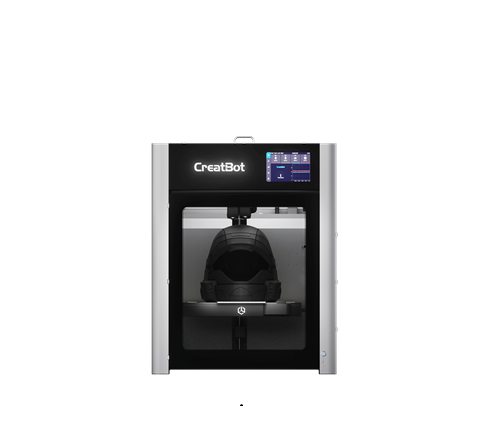
CreatBot industrial 3D printers are designed for high-performance materials. The following models feature heated chambers and high-temperature nozzles for professional-grade results.
TECHNICAL DATA SHEET
| Physical Properties | Test Standard | Typical Value |
|---|---|---|
| Density | ISO1183 | 1.20g/cm³ |
| Water Absorption | 25℃,55%RH | 1.37% |
| Melt Flow Index | 300℃,2.16 kg | 3.4g/10 min |
| Melting Temperature | IOS 11357 | 237℃ |
| Mechanical Properties | Test Standard | Typical Value |
|---|---|---|
| Tensile Strength XY | ISO527 | 93MPa |
| Tensile Strength Z | ISO527 | 51MPa |
| Tensile Modulus XY | ISO527 | 7492MPa |
| Tensile Modulus Z | ISO527 | 3869MPa |
| Elongation at Break XY | ISO527 | 1.92% |
| Elongation at Break Z | ISO527 | 1.56% |
| Flexural Strength XY | ISO178 | 144MPa |
| Flexural Strength Z | ISO178 | / |
| Flexural Modulus XY | ISO178 | 6727MPa |
| Flexural Modulus Z | ISO178 | / |
| Impact Strength XY | ISO179 | 10.37kJ/m² |
| Impact Strength Z | ISO179 | / |
| Thermal Properties | Test Standard | Typical Value |
|---|---|---|
| Vicat Softening Temperature | ISO 306 | / |
| Heat Deflection Temperature (at 0.45MPa) | ISO75 | 192℃ |
| Test Specimen Print Parameters | |
|---|---|
| Drying Conditions | 80-100℃,6-8H |
| Nozzle Temperature | 300-320℃ |
| Nozzle Diameter | 0.4 / 0.6 / 0.8 / 1.0 mm |
| Print Bed Surface Treatment | 3D Printing Spray/ PVP Glue Stick/ Specialized Adhesive |
| Bed Temperature | 70-90℃ |
| Chamber Temperature | / |
| Cooling Fan | OFF |
| Print Speed | 30-120 mm/s |
Ultra PA-CF Filament FAQ
CreatBot Ultra PA-CF uses standard 1.75mm filament with industrial-grade ±0.03mm diameter tolerance control, compatible with the vast majority of FDM 3D printers that support PA (nylon) printing. However, due to the abrasiveness of carbon fiber, a hardened steel nozzle or ruby nozzle must be used (standard brass nozzles will wear rapidly causing tolerance loss). The equipment must have a heated print bed (recommended 80-100°C) and an all-metal hot end capable of stably reaching 270-300°C. An enclosed printing chamber is recommended to reduce warping. Although compatibility is broad, for optimal print quality and stability, we strongly recommend using CreatBot Ultra PA-CF with CreatBot industrial-grade 3D printers.
Ultra PA-CF is a high-performance composite material based on Ultra PA with carbon fiber reinforcement. The main differences are: ① Mechanical properties—carbon fiber increases tensile strength from 69.2 MPa to 110 MPa and flexural modulus from 3202 MPa to 5500 MPa, approximately 70% rigidity improvement; ② Thermal properties—heat deflection temperature increases from 79°C to 165°C, significantly improving dimensional stability at high temperatures; ③ Shrinkage rate—carbon fiber significantly reduces thermal shrinkage and warping, improving success rate for large prints; ④ Printing requirements—carbon fiber is abrasive, requiring hardened steel or ruby nozzles, with nozzle diameter recommended 0.5mm or larger. Ultra PA-CF is suitable for high-strength, high-rigidity structural and functional parts; if extreme rigidity is not required, Ultra PA offers better cost-performance with less nozzle wear.
The recommended nozzle temperature for CreatBot Ultra PA-CF is 270-300°C, and the bed temperature is 80-100°C. Specific temperature settings should be adjusted according to model size, layer height, print speed and equipment environment. Tuning suggestions: ① For the first layer, appropriately increase nozzle temperature by 5-10°C and reduce print speed to 20-30mm/s to enhance first layer adhesion; ② For large-area models, set bed temperature to 90-100°C and apply PVA glue or dedicated nylon adhesive to the bed; ③ When using an enclosed chamber or temperature-controlled box, maintain chamber temperature at 40-60°C to significantly reduce interlayer thermal stress; ④ An all-metal hot end and hardened steel/ruby nozzle must be used—standard brass nozzles will be rapidly worn by carbon fiber; ⑤ Nozzle diameter of 0.5mm or larger is recommended to reduce clogging risk; ⑥ Appropriately reduce print speed to 40-60mm/s to ensure interlayer bonding strength. It is recommended to print a temperature tower first for calibration.
With its excellent mechanical strength, rigidity, heat resistance and dimensional stability after carbon fiber reinforcement, Ultra PA-CF is widely used in high-strength structural applications. Typical applications include: ① Structural brackets and load-bearing frames—robot arm brackets, drone frames, robot chassis, etc., high rigidity ensures minimal deformation under load; ② Tooling fixtures—customized production line fixtures, positioning pins, inspection tools, assembly aids, etc., withstand repeated impact and wear; ③ Automotive functional parts—intake manifold brackets, wire harness clips, under-hood functional parts, etc., oil and heat resistant; ④ Aerospace components—drone bodies, satellite brackets, lightweight structural parts, etc., high specific strength and specific rigidity; ⑤ Electronics and electrical—motor brackets, heat dissipation structural parts, housing frames, etc., high temperature resistant and dimensionally stable; ⑥ Sports equipment—bicycle parts, skateboard components, protective gear, etc., high strength and impact resistance.
Nylon (PA) is a typical highly hygroscopic material, and Ultra PA-CF is no exception. After absorbing moisture, it causes bubbles, stringing, rough surfaces, decreased interlayer bonding and significantly reduced mechanical properties during printing. Proper storage: ① Unopened filament should be stored in a cool, dry place (temperature 15-25°C, humidity < 20%), away from direct sunlight; ② Opened filament must be sealed in bags with sufficient desiccant (silica gel desiccant, recommended dosage 10-15g/roll), or stored in a filament dry box maintaining relative humidity below 10%; ③ When not in use for short periods (more than 1 day), it is recommended to immediately remove the filament from the printer and seal it. If moisture is found (obvious crackling sounds during printing, white surface on filament or foamy rough extrudate), it must be dried in a hot air oven at 70-80°C for 6-8 hours (note: temperature should not exceed 85°C to avoid filament deformation and sticking), then placed in a dry environment to cool to room temperature before normal use.
When using carbon fiber reinforced filaments like Ultra PA-CF, special attention should be paid to: ① Nozzle selection—carbon fiber is highly abrasive; hardened steel nozzles, ruby nozzles or tungsten carbide nozzles must be used; standard brass nozzles will wear out within hours causing diameter increase and tolerance loss; ② Nozzle diameter—nozzles of 0.5mm or larger are recommended to reduce clogging risk and ensure smooth passage of carbon fiber particles; ③ Print speed—appropriately reduce print speed (40-60mm/s), as excessive speed will accelerate nozzle wear and affect interlayer bonding; ④ Retraction settings—appropriately reduce retraction distance and speed, as carbon fiber filament has poor flowability and excessive retraction can cause clogging; ⑤ Ventilation—although carbon fiber itself is harmless, high-temperature printing may release trace amounts of harmful gases; it is recommended to operate in a well-ventilated environment; ⑥ Filament path—carbon fiber filament is relatively hard; ensure the feeding path bend radius is not too small to avoid filament bending and breaking.
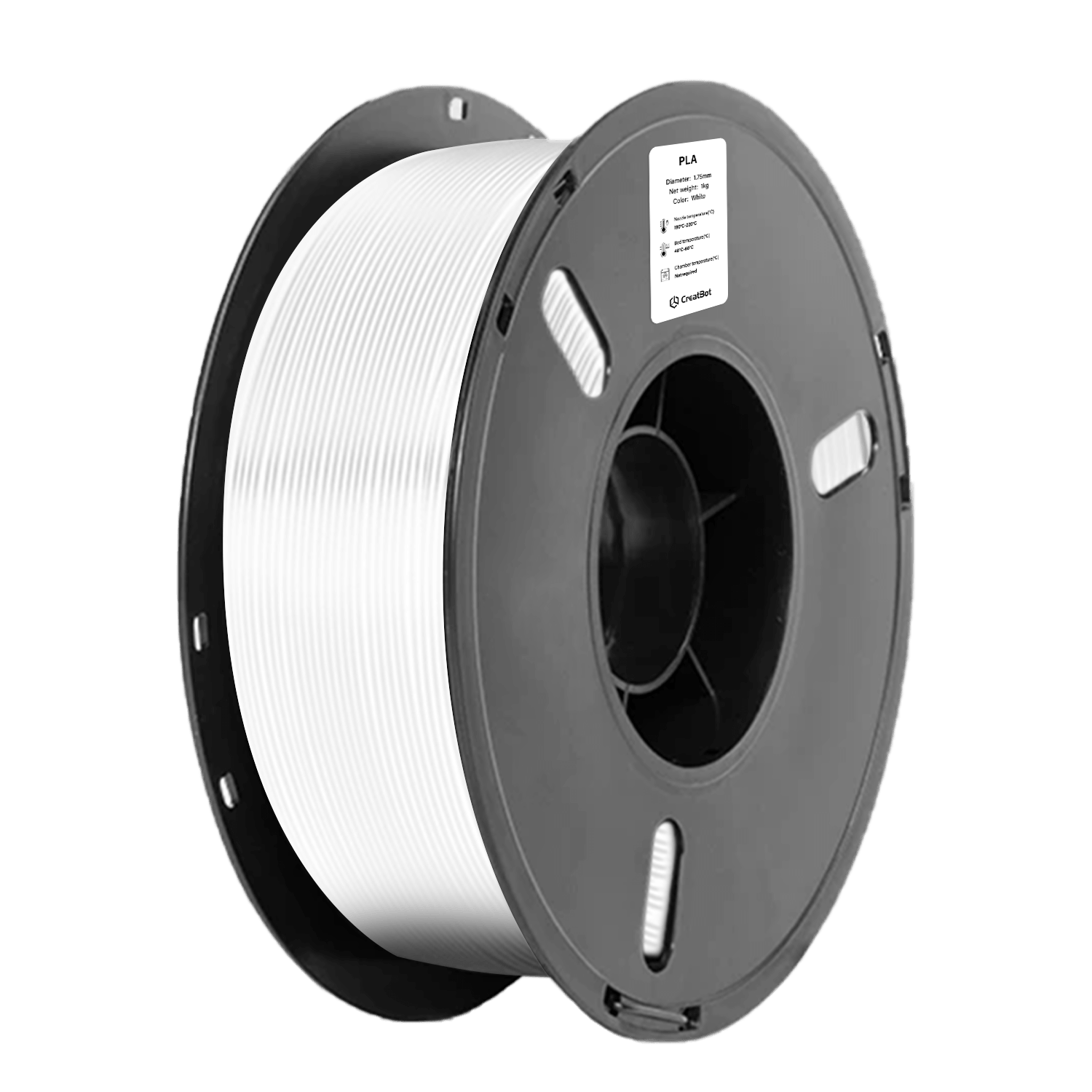
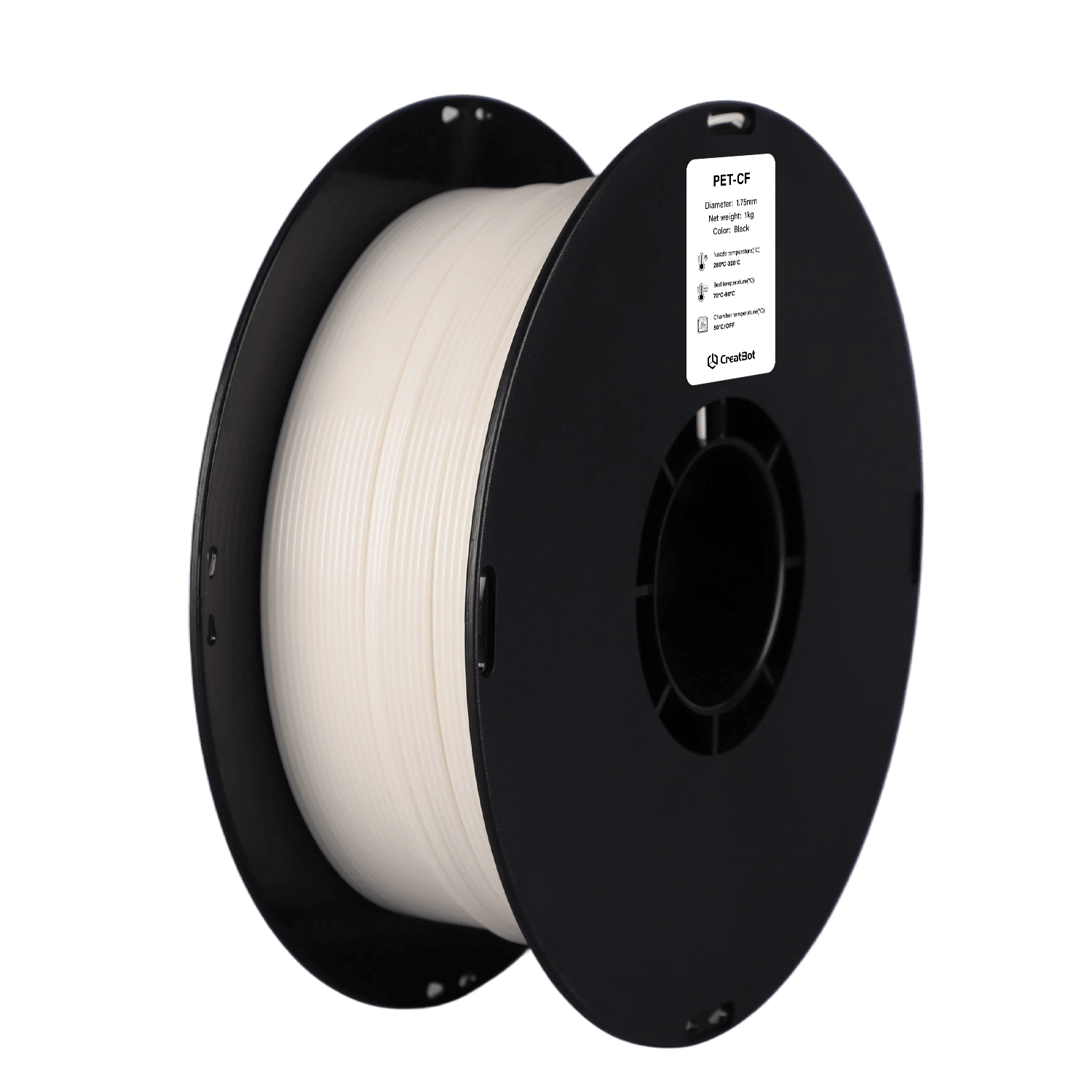
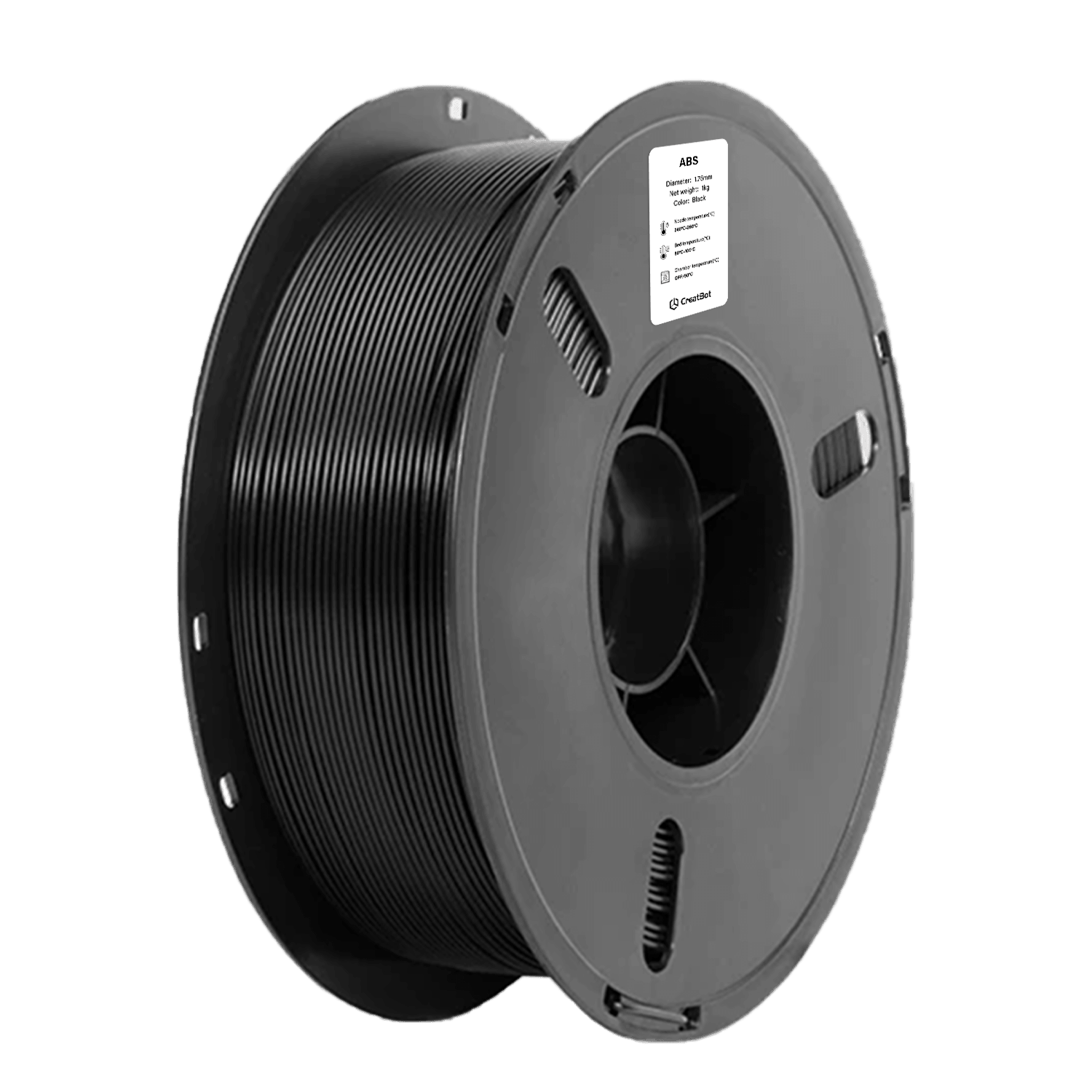
More Materials
Contact Us


Message
Application Fields
Quick Links
