

CreatBot 3D Printers

CreatBot 3D Printers

Applications in the Automotive Industry
CreatBot is committed to enhancing 3D printing capabilities in the automotive industry, providing customers with more efficient, safer, and smarter 3D printing solutions.

What Problems in the Automotive Industry Do CreatBot Large 3D Printers Solve?

Long R&D Cycles & High Trial Costs

New vehicle development typically takes 2-5 years

Mold development and prototype testing require repeated modifications, with extremely high costs

What can 3D printing do:
  • Rapid prototyping, samples in days
  • Reduce design verification costs
  • Support complex structures in one piece
$

High Mold Costs & Small Batches Uneconomical

Mold opening costs hundreds of thousands or even millions

Small batches/custom parts not cost-effective

What can 3D printing do:
  • Direct production without molds
  • Suitable for small batches, customized parts

Complex Supply Chain & High Risk

Multi-level suppliers, production stops if chain breaks

Pandemic/geopolitical impacts are obvious

What can 3D printing do:
  • Localized production (on-demand)
  • Reduce inventory, achieve 'digital inventory'

Lightweight Demand Increasing

Electric vehicles are very sensitive to weight

Traditional processes struggle with complex lightweight structures

What can 3D printing do:
  • Topology optimization structures
  • Internal hollow/honeycomb structures

Complex Structure Manufacturing Difficulties

Some parts require multiple processes and multi-part assembly

What can 3D printing do:
  • Integrated molding (reducing assembly)
  • Print structures traditionally impossible to machine

How Leading Automotive Suppliers Use CreatBot Large Format 3D Printers to Optimize Efficiency and Cost

CreatBot large format 3D printers, with super large build volume, extreme printing speed, and efficient print quality. Complete complex 3D printing tasks and meet engineers' rapid iteration needs.

CreatBot 3D Printers Widely Used in Automotive Industrial Manufacturing

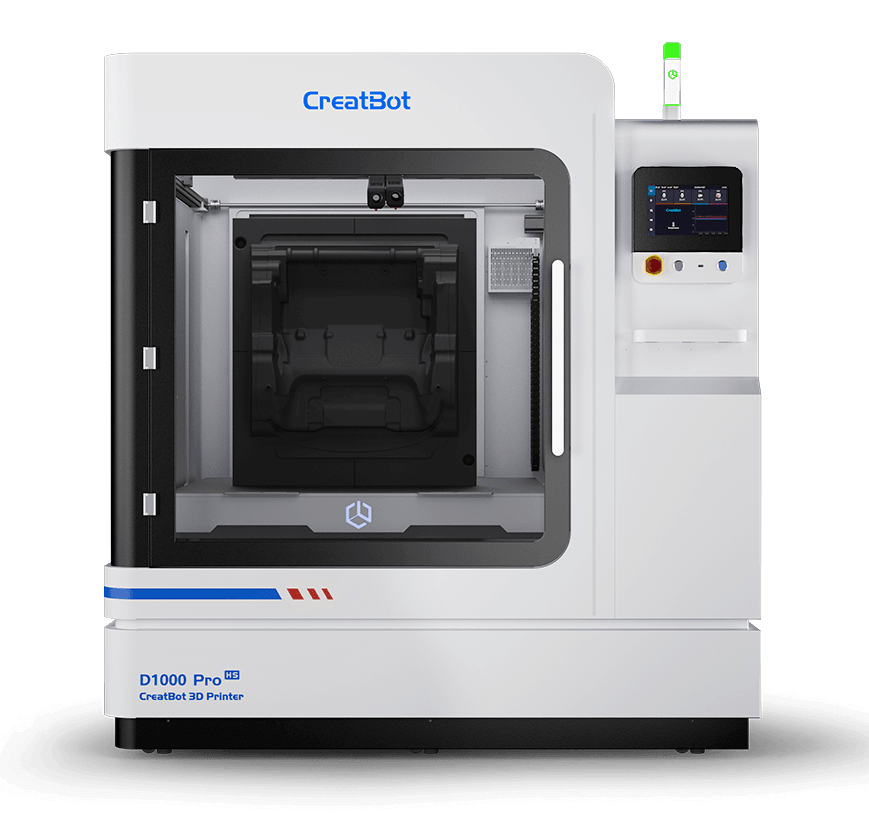
CreatBot D1000 Pro HS

D1000 Pro HS

Ultra-large format high-speed industrial-grade 3D printer with build size up to 1050x1050x1050mm, suitable for integrated printing of large automotive parts, supports multiple engineering materials.

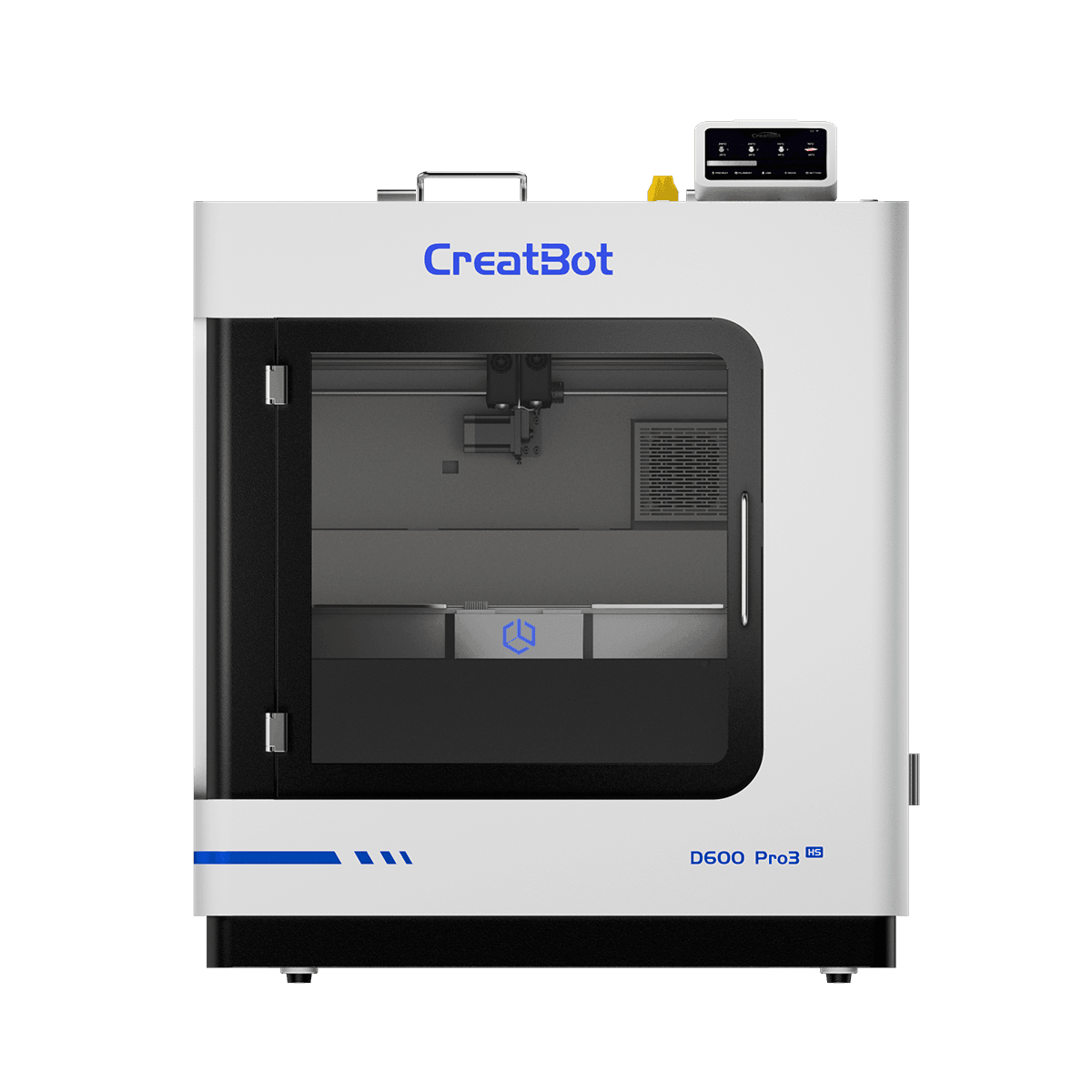
CreatBot D600 Pro3 HS

D600 Pro3 HS

Dual-extruder high-speed industrial-grade 3D printer with build size 620x620x620mm, supports soluble support materials, suitable for high-precision printing of complex automotive parts.

CreatBot 3D Printers: Innovative Applications in the Global Industrial Chain

Cases
News
Exhibitions

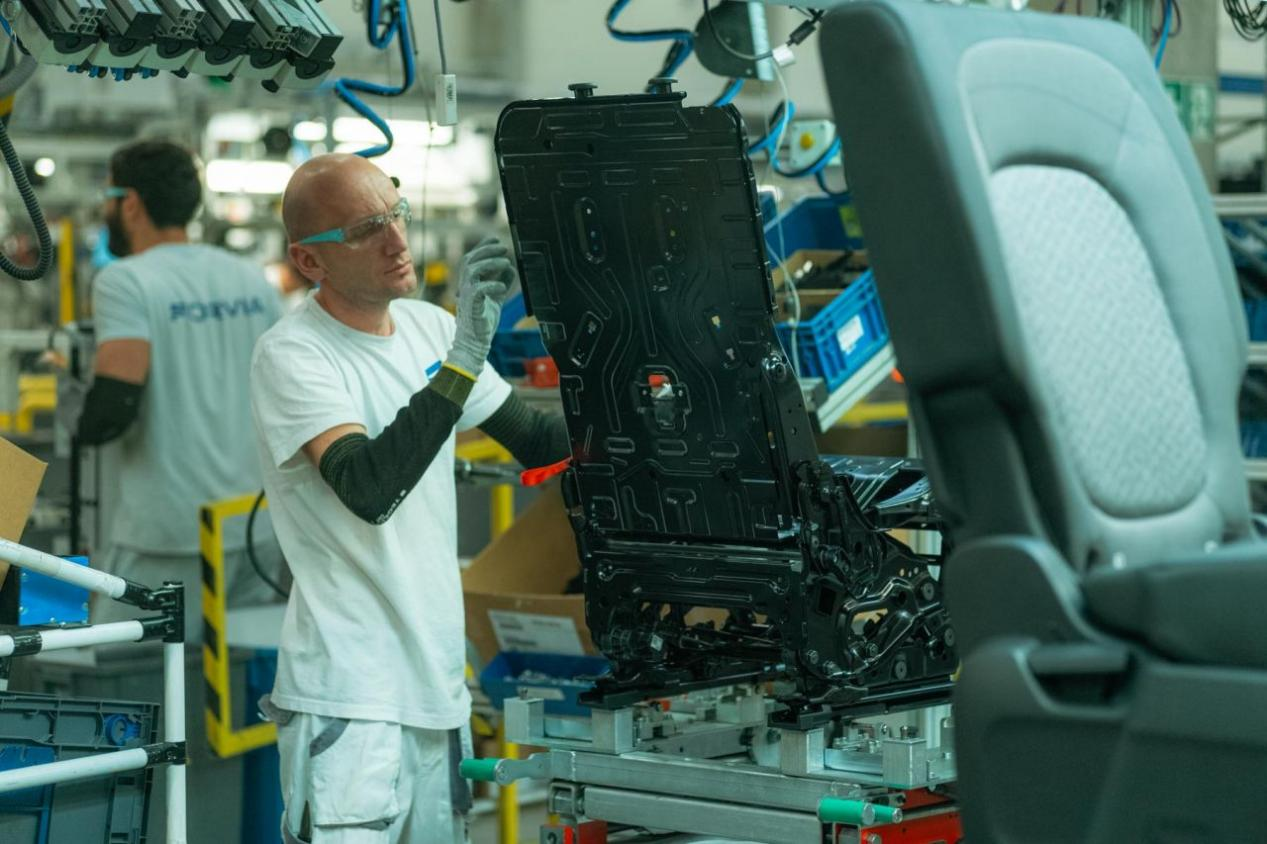
Faurecia Leverages CreatBot 3D Printer to Validate Car-Seat Base Prototypes in Just 10 Days

Faurecia, a leading global car-seat manufacturer, successfully validated car-seat base prototypes using CreatBot 3D printer in just 10 days—cutting lead time by 85 % and cost by 70 % versus traditional stamping, enabling true agile development.
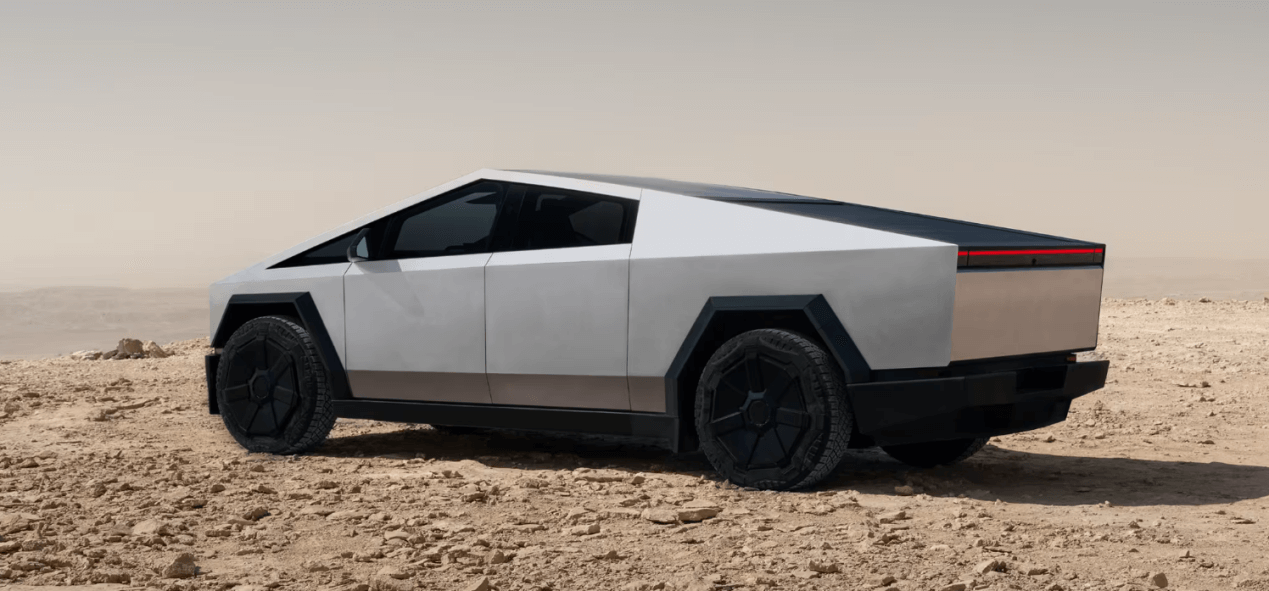

100 Sets in 10 Days! CreatBot Small-Batch 3D Printing Accelerates Tesla Seat Validation

by deploying 15 CreatBot D600 Pro2 HS large-format high-temperature 3D printers, the project team successfully delivered 100 sets of seat part models directly usable for functional testing within 10 days, with a printing success rate of 92%, perfectly meeting Tesla's dual demands for speed and quality.

Samsung Electronics & CreatBot: Giants Join Forces to Reshape Display Prototype Development

Samsung Electronics and CreatBot, a leading global manufacturer of enterprise-level large-format and high-temperature 3D printers, have announced a joint collaboration to revolutionize display prototype development. The collaboration aims to accelerate the design-to-production process for next-generation displays, enabling faster time-to-market and higher quality products.

Automotive 3D Printing FAQ

What are the main applications of CreatBot 3D printers in the automotive industry?

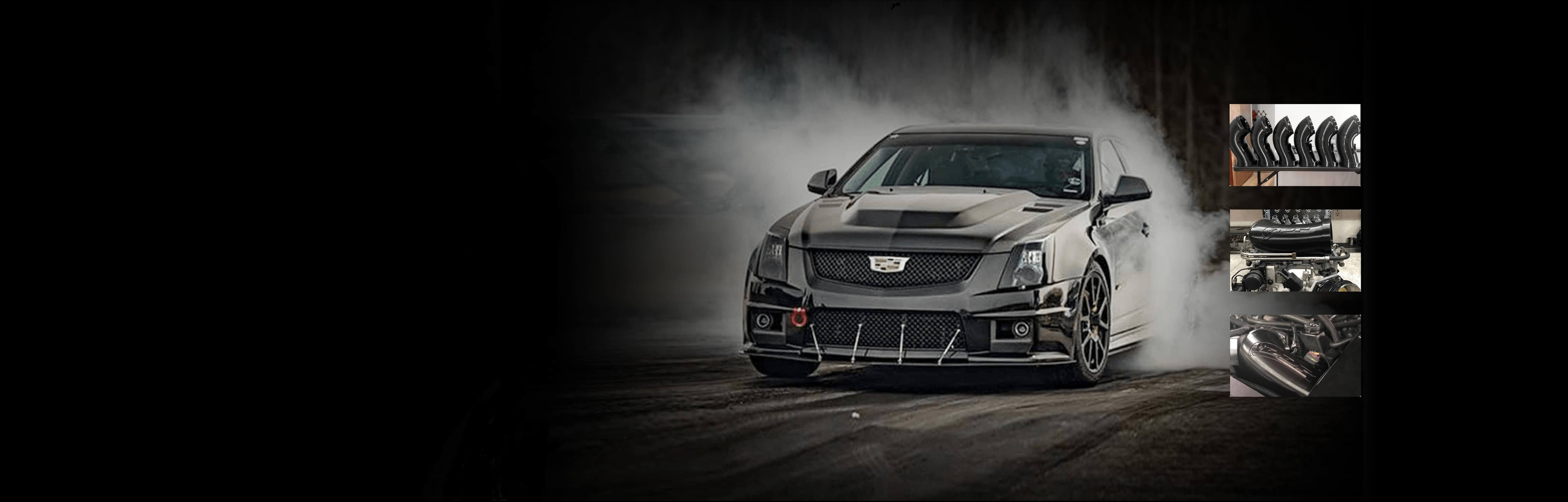
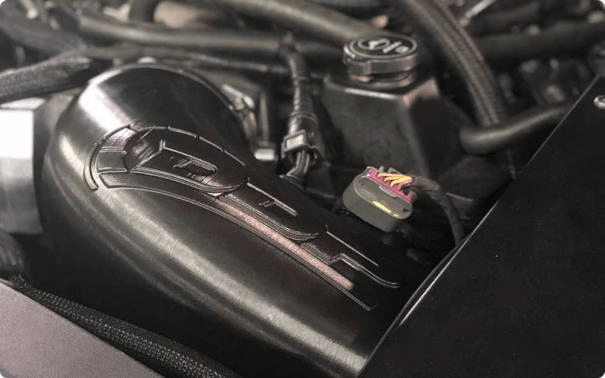
CreatBot 3D printers are widely used in automotive part prototyping, interior component manufacturing, tooling and fixture production, and small-batch end-use part manufacturing. Typical cases include: Faurecia car seat base prototype validation, Volkswagen lightweight design iteration, Busted Knuckle Offroad high-performance intake manifold manufacturing, covering the entire process from R&D to production.

What are the advantages of 3D printing compared to traditional manufacturing processes in the automotive industry?

3D printing requires no mold investment, significantly reducing upfront costs; supports rapid iteration, shortening R&D cycles from weeks to days; enables complex structures difficult to achieve with traditional processes, such as topology-optimized lightweight structures and internal flow channels. In actual cases, Faurecia's delivery cycle was shortened by 85%, and Busted Knuckle's costs were reduced by 90%.

What automotive parts are D1000 Pro HS and D600 Pro3 HS respectively suitable for?

D1000 Pro HS has a build size of 1000×1000×1000mm, suitable for large automotive parts such as body panels, large interior components, and complete tooling fixtures; D600 Pro3 HS has a build size of 600×600×600mm, equipped with dual independent nozzles, suitable for medium-sized functional parts such as brackets, structural components, and intake manifolds with high precision requirements.

Can 3D printing be directly used for automotive end-product manufacturing?

Yes. In small-batch production, custom modifications, or high-performance racing, 3D printing has been directly used for end-part production. For example, Busted Knuckle Offroad's PA-CF intake manifold has undergone rigorous race validation, outperforming traditional parts. However, for mass production, traditional processes still have cost advantages.

What automotive-grade engineering materials does CreatBot support?

CreatBot supports a variety of automotive-grade engineering materials, including general materials such as PLA, ABS, PETG, engineering materials like PC and nylon, and high-performance materials such as PEEK, PEI, PPSU. Especially carbon fiber reinforced materials (like UltraPA-CF, PET-CF), which offer high strength, high temperature resistance, and lightweight advantages, meeting the stringent requirements of the automotive industry.

How does 3D printing help automotive companies reduce R&D costs?

3D printing requires no mold investment, reducing prototyping costs by more than 70%; supports rapid iteration, reducing design change costs; enables complex structures to be formed in one piece, reducing assembly processes. In the Faurecia case, seat base prototype validation was completed in just 10 days, with costs reduced by 70%.

What are the advantages of 3D printing in automotive tooling and fixtures?

3D printing can quickly manufacture customized fixtures, inspection gauges, and assembly tools, reducing production preparation time from weeks to days; supports rapid iteration optimization, improving production line efficiency; compared to traditional machining, costs are reduced by more than 50%, especially suitable for new model introduction and production line transformation.

TOPTOP
© CreatBot 2026 All rights reserved v7.0