Large Industrial 3D Printer

CreatBot 3D Printers

Applications in Industrial Manufacturing
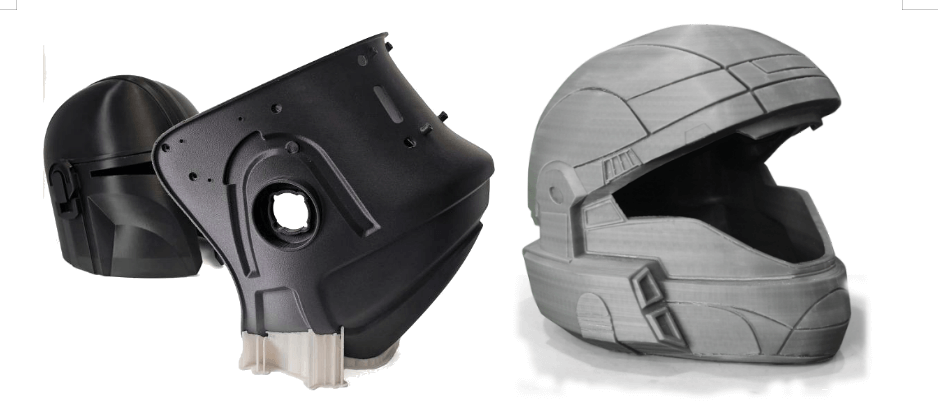
CreatBot large-format 3D printers for automotive, aerospace, and industrial manufacturing, supporting PEEK and carbon-fiber reinforced engineering materials for integrated production of large functional and structural parts.

What Challenges in Industrial Manufacturing Does CreatBot Solve?

Long R&D Cycles, High Trial Costs

New product development takes too long, requiring repeated design modifications

Traditional mold-opening processes are costly and time-consuming

What 3D printing can do:
  • Rapid prototyping, delivered in days
  • Reduce design iteration costs
  • Support complex structures in one print

Heavy Mold Dependency, High Cost Barriers

Traditional manufacturing heavily relies on mold development with high upfront costs

Unsuitable for small-batch or customized production

What 3D printing can do:
  • Produce parts directly without molds
  • Reduce upfront manufacturing costs
  • Enable economical small-batch production
$

Uneconomical Small-Batch Manufacturing

Traditional CNC or injection molding has high unit costs in small-batch production

Difficult to balance efficiency and cost

What 3D printing can do:
  • On-demand manufacturing, no inventory pressure
  • Controllable small-batch production costs
  • Adapt to customized order requirements

Strong Supply Chain Dependence, Uncontrollable Delivery

Outsourced processing and multi-level supply chains cause long and unstable delivery cycles

What 3D printing can do:
  • Localized manufacturing (on-demand production)
  • Reduce external supply dependence
  • Improve delivery certainty

3 Core Reasons Industrial Customers Choose CreatBot 3D Printers

Industrial 3D Printing
01

Stable Large-Format Industrial Manufacturing Capability

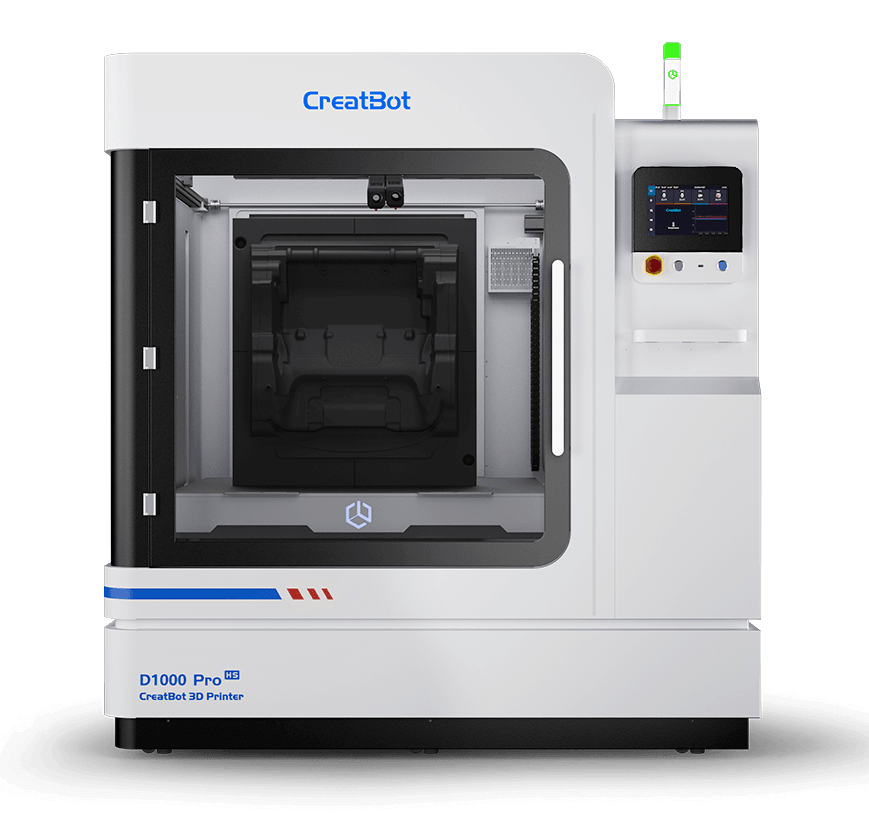
One of CreatBot's core advantages is large-format FDM industrial printing capability, meeting industrial customer needs for integrated large structural parts, fixture and jig manufacturing, and prototype to small-batch production.

02

High-Temperature Engineering Material (Especially PEEK/PEI) Compatibility

The key factor for industrial customers is material capability, not appearance or speed. Support for high-temperature materials such as PEEK and PEI meets the high-temperature and high-strength needs of aerospace, automotive, and mold industries.

03

Engineering-Grade Stability and Controllability

What industrial customers fear most is not slow speed, but instability. Long-duration continuous printing stability, industrial environment adaptability (24/7 operation), and controllable printing parameters with process repeatability are critical.

Agility, Lightweight, Low Cost

CreatBot uses 3D printers to break through traditional processes, shorten R&D cycles, reduce manufacturing costs, and help enterprises upgrade and iterate quickly.

CreatBot 3D Printers: Innovative Applications in the Global Industrial Chain

Cases
News
Exhibitions

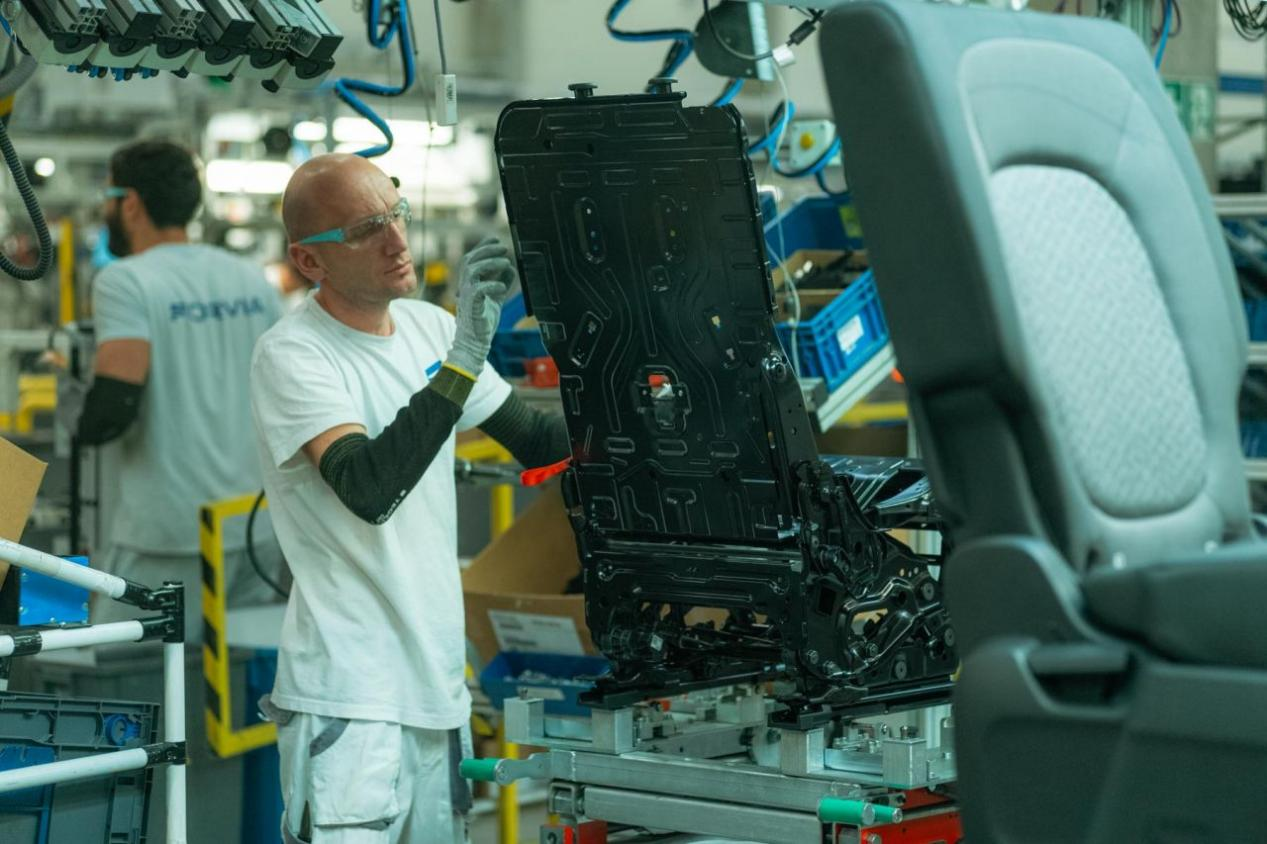
Faurecia Leverages CreatBot 3D Printer to Validate Car-Seat Base Prototypes in Just 10 Days

Faurecia, a leading global car-seat manufacturer, successfully validated car-seat base prototypes using CreatBot 3D printer in just 10 days—cutting lead time by 85 % and cost by 70 % versus traditional stamping, enabling true agile development.

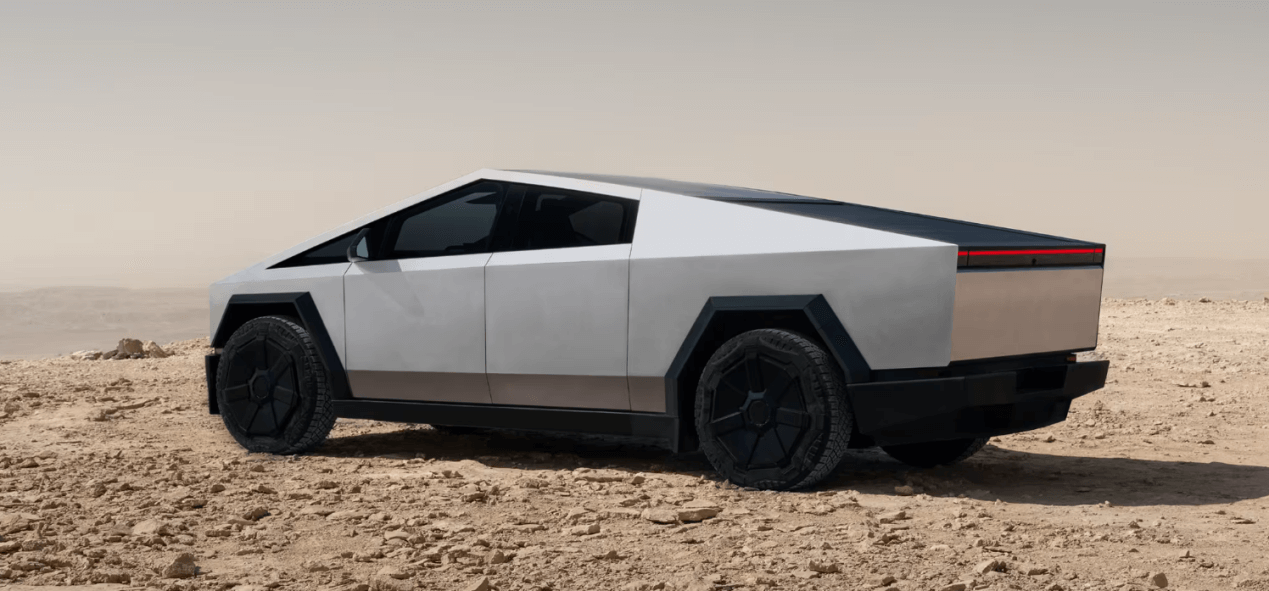
100 Sets in 10 Days! CreatBot Small-Batch 3D Printing Accelerates Tesla Seat Validation

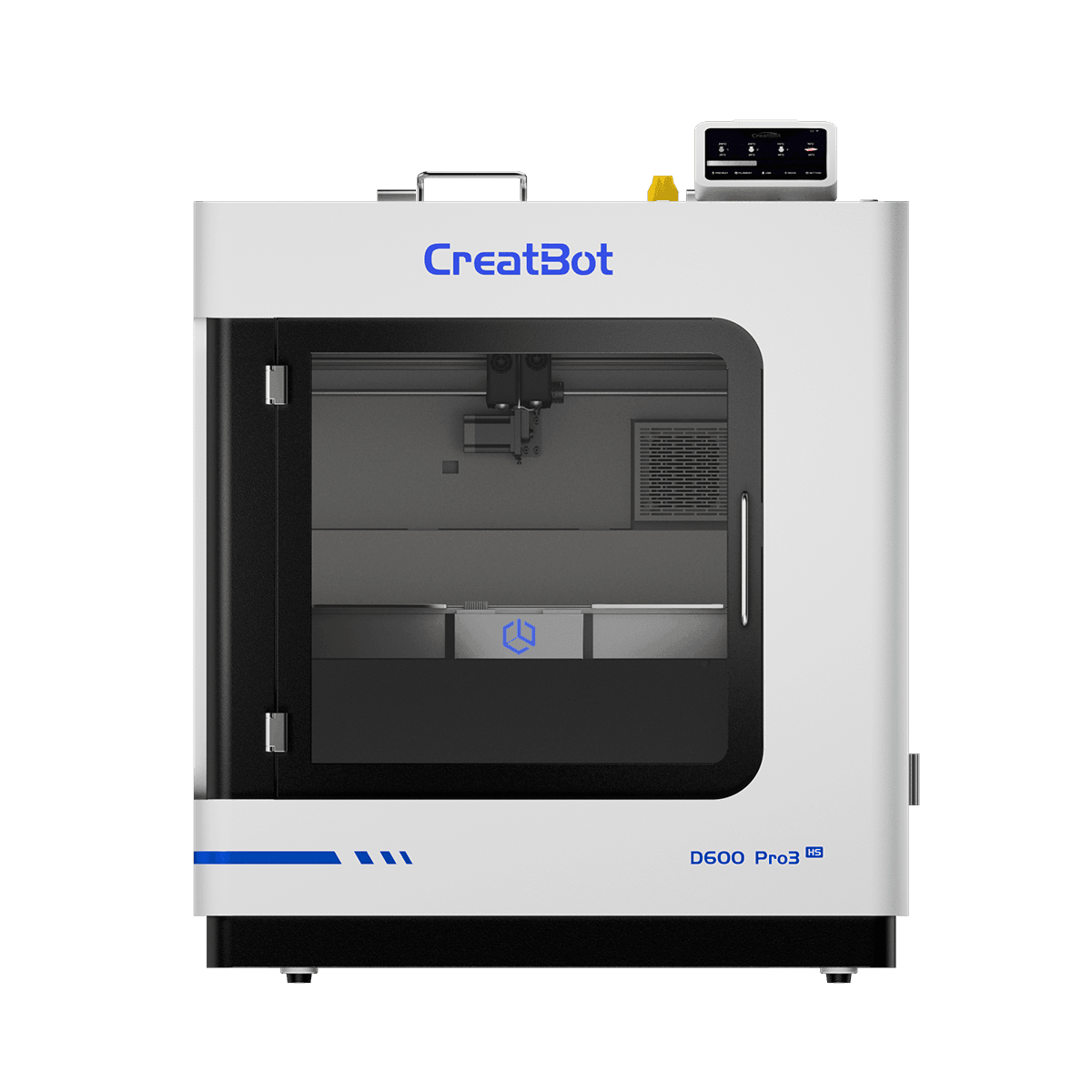
by deploying 15 CreatBot D600 Pro2 HS large-format high-temperature 3D printers, the project team successfully delivered 100 sets of seat part models directly usable for functional testing within 10 days, with a printing success rate of 92%, perfectly meeting Tesla's dual demands for speed and quality.

Samsung Electronics & CreatBot: Giants Join Forces to Reshape Display Prototype Development

Samsung Electronics and CreatBot, a leading global manufacturer of enterprise-level large-format and high-temperature 3D printers, have announced a joint collaboration to revolutionize display prototype development. The collaboration aims to accelerate the design-to-production process for next-generation displays, enabling faster time-to-market and higher quality products.

Frequently Asked Questions

What is a large-format industrial 3D printer?

A large-format industrial 3D printer is an additive manufacturing device with large build capacity (typically over 500mm), high stability, and long-duration continuous operation capability, mainly used for functional prototypes, industrial parts, and end-use products.

What are the main applications of large 3D printers in industrial manufacturing?

Large 3D printers are widely used in automotive, aerospace, mold manufacturing, and industrial equipment for producing functional parts, jigs and fixtures, rapid tooling, and complex structural components.

What traditional manufacturing problems can large 3D printers solve?

Large 3D printers can produce parts without molds, significantly reducing upfront costs and delivery time while manufacturing complex structures difficult to achieve with traditional processes.

What are the advantages of large-format printing compared to standard 3D printers?

Large-format 3D printing enables integrated molding of large parts, reducing assembly steps and structural weaknesses while improving overall strength, consistency, and production efficiency.

What materials do large industrial 3D printers support?

Large industrial 3D printers support various engineering materials including PLA, ABS, PETG, Nylon, PC, as well as high-performance materials like PEEK and PEI, plus carbon-fiber reinforced composites.

Can large 3D printers be used for end-use product manufacturing?

Yes. With improvements in material properties and printing technology, large 3D printers are widely used for direct manufacturing of small-batch end-use products, customized parts, and functional industrial components.

What are the advantages of large 3D printing compared to CNC machining or injection molding?

Compared to CNC and injection molding, 3D printing requires no molds, has shorter delivery cycles, excels in complex structure manufacturing, and offers lower total costs with greater flexibility for small-batch production.

What is the ROI period for investing in a large industrial 3D printer?

ROI depends on the application, but in cases of replacing high-cost molds, accelerating product development, and small-batch production, investment recovery is typically achieved within 6 to 18 months.

TOPTOP
© CreatBot 2026 All rights reserved v7.0