CreatBot 批量生产设备

CreatBot Industrial 3D Printers

Mass Production Solutions
CreatBot large-format 3D printers are designed for mass production scenarios, supporting 24/7 continuous production to ensure consistency and reliability of every product

Challenges in Mass Production, How Does CreatBot Solve Them?

$

High Cost of Large-Scale Production

Traditional manufacturing processes have difficulty amortizing mold costs in large-volume production

Small batch orders struggle to achieve economies of scale

3D Printing Solution:
  • No molds needed, direct production
  • Economical and efficient for both small and large batches
  • On-demand production, zero inventory pressure

Difficult to Ensure Quality Consistency

Manual operations lead to large product quality fluctuations

Difficult to control precision of complex structural parts

3D Printing Solution:
  • Automated production, reducing human error
  • Closed-loop control, ±0.1mm precision
  • Consistent quality for every product

Production Efficiency Bottlenecks

Traditional equipment has limited capacity, difficult to meet delivery deadlines

Multi-process flow leads to long production cycles

3D Printing Solution:
  • 24/7 uninterrupted production
  • One-piece molding, reducing post-processing
  • Rapid response, agile delivery

High Supply Chain Risks

Dependence on external suppliers, uncontrollable delivery times

Multi-level supply chain increases management costs

3D Printing Solution:
  • Localized production, self-controlled
  • Simplified supply chain, reduced risks
  • Rapid response to market changes

Mass Production Practices of Global Leading Enterprises

CreatBot 3D printers provide reliable support for global enterprises to achieve mass production with high stability, high efficiency, and consistency

3 Core Advantages of Choosing CreatBot for Mass Production

CreatBot批量生产
01

Industrial-Grade Stability, Supporting 24/7 Continuous Production

CreatBot adopts an all-metal frame and closed-loop motion control system to ensure stability during long-term continuous production. ±0.1mm precision ensures consistency of every product, meeting the stringent requirements of mass production.

02

High-Temperature Material Compatibility, Meeting Engineering-Grade Applications

Supports high-performance engineering materials such as PEEK, PEI, PPSU, as well as carbon fiber reinforced composite materials, ensuring mechanical performance and environmental adaptability of mass-produced parts, ready for direct use in end products.

03

Large-Scale Production, Reducing Unit Costs

No mold investment required, economical and efficient for both small and large batches. On-demand production mode reduces inventory pressure, rapidly responds to market changes, and significantly reduces unit production costs.

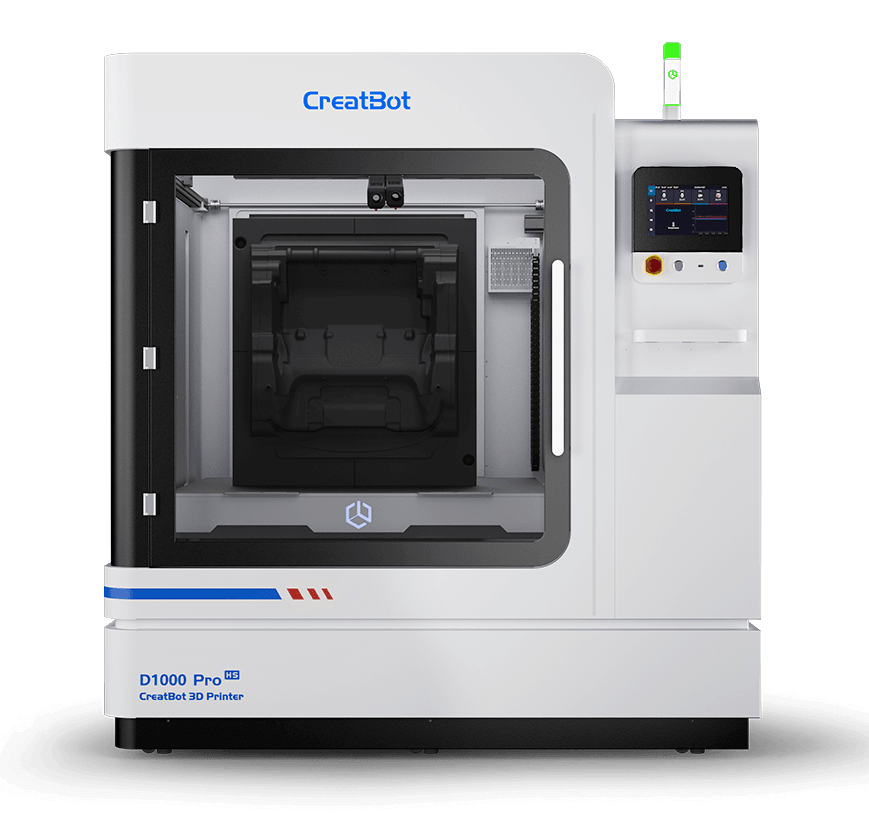
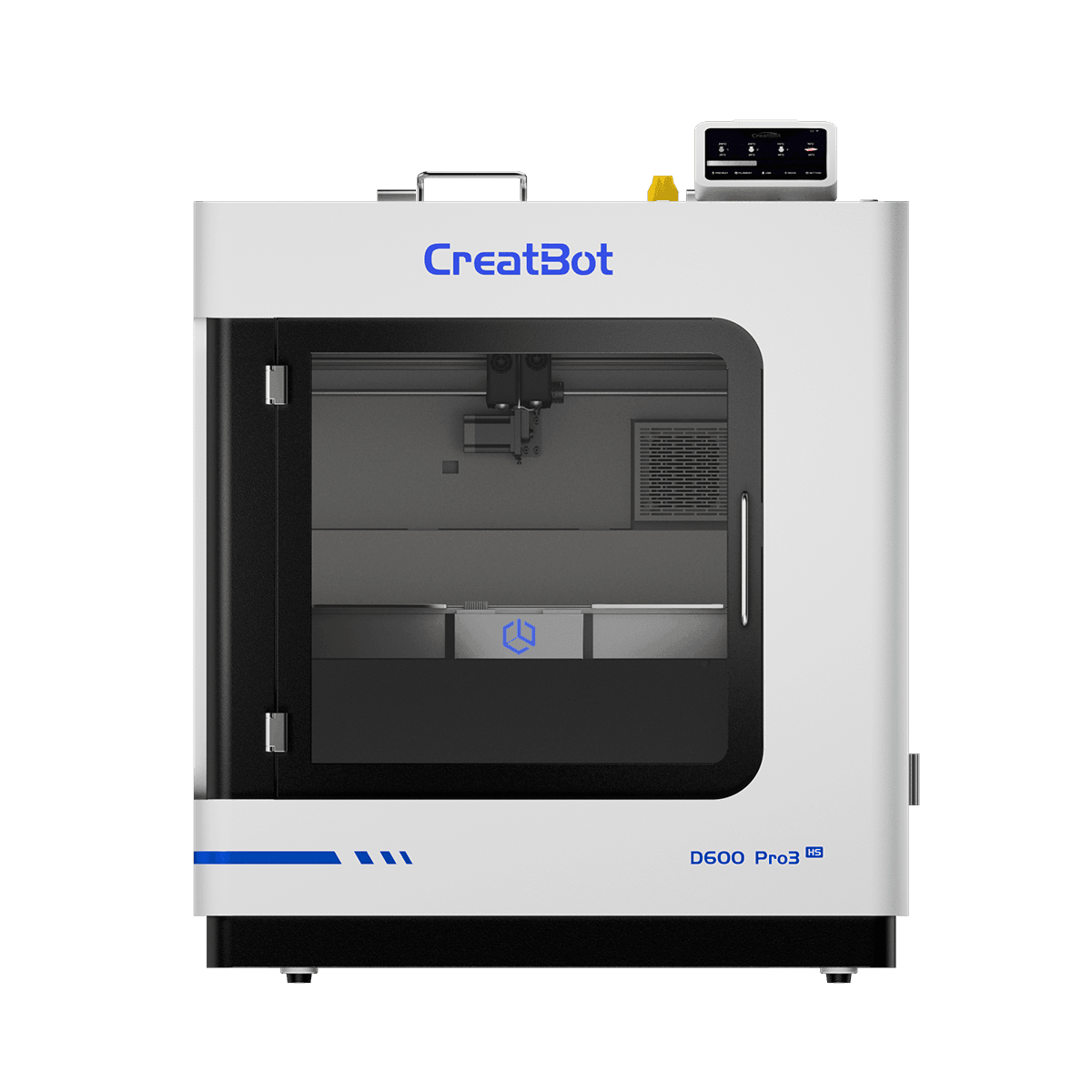
CreatBot Mass Production Equipment Series

CreatBot 3D Printers: Innovative Applications in the Global Industrial Chain

Cases
News
Exhibitions

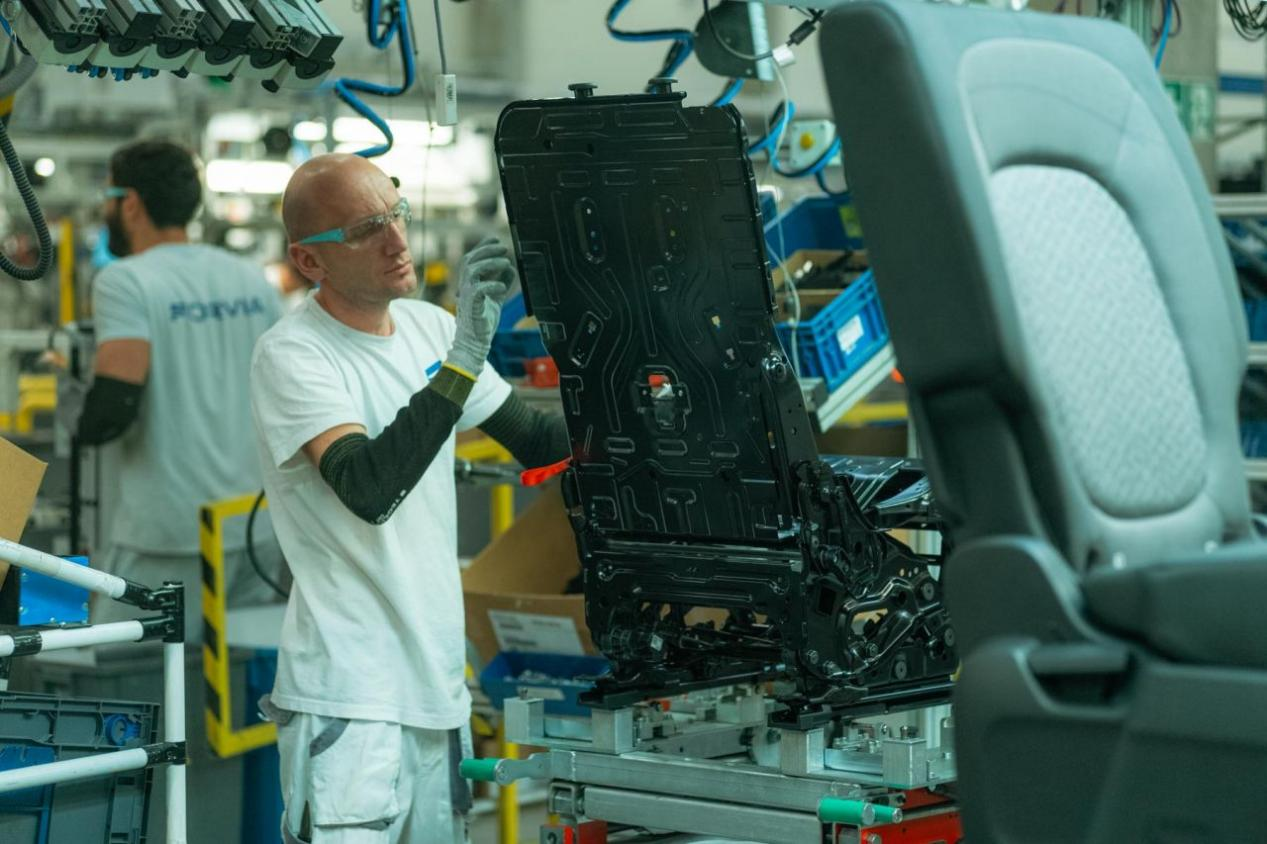
Faurecia Leverages CreatBot 3D Printer to Validate Car-Seat Base Prototypes in Just 10 Days

Faurecia, a leading global car-seat manufacturer, successfully validated car-seat base prototypes using CreatBot 3D printer in just 10 days—cutting lead time by 85 % and cost by 70 % versus traditional stamping, enabling true agile development.

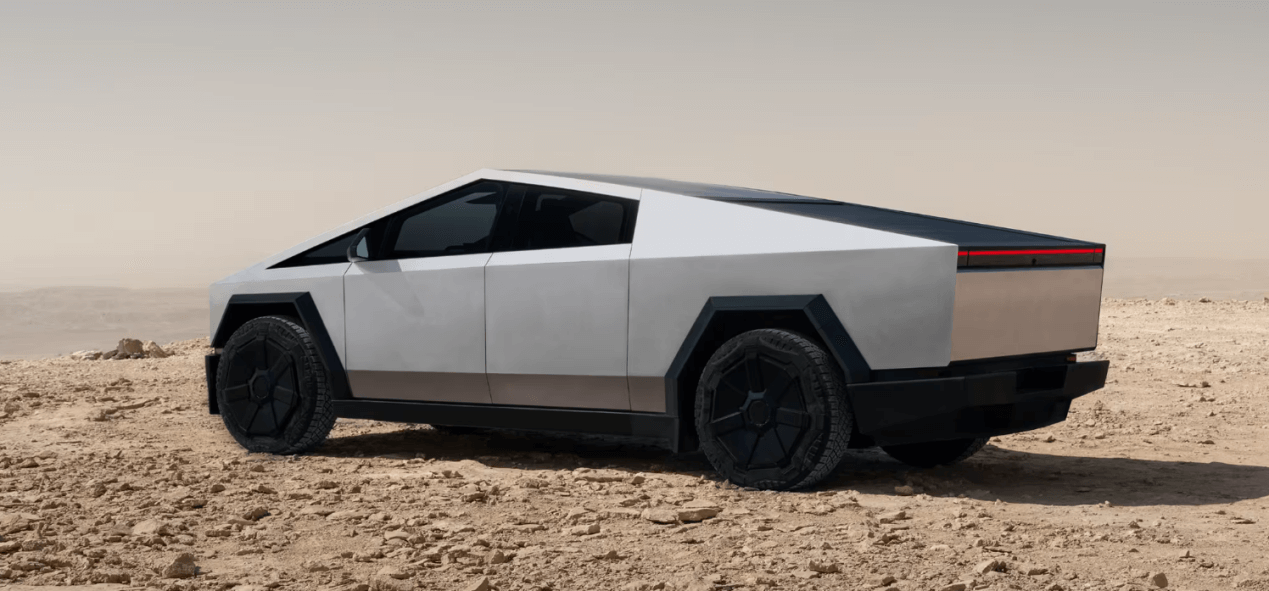
100 Sets in 10 Days! CreatBot Small-Batch 3D Printing Accelerates Tesla Seat Validation

by deploying 15 CreatBot D600 Pro2 HS large-format high-temperature 3D printers, the project team successfully delivered 100 sets of seat part models directly usable for functional testing within 10 days, with a printing success rate of 92%, perfectly meeting Tesla's dual demands for speed and quality.

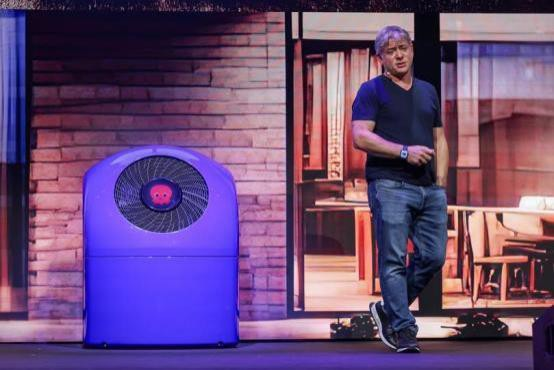
Samsung Electronics & CreatBot: Giants Join Forces to Reshape Display Prototype Development

Samsung Electronics and CreatBot, a leading global manufacturer of enterprise-level large-format and high-temperature 3D printers, have announced a joint collaboration to revolutionize display prototype development. The collaboration aims to accelerate the design-to-production process for next-generation displays, enabling faster time-to-market and higher quality products.

Mass Production FAQ

How do industrial 3D printers ensure consistency in mass production?

CreatBot adopts closed-loop motion control systems and high-precision sensors to ensure dimensional accuracy of every product within ±0.1mm. Combined with automatic calibration and real-time monitoring functions, it achieves high consistency in mass production.

What is the efficiency of 3D printing mass production?

CreatBot equipment supports 24/7 uninterrupted production, with large-format design enabling simultaneous printing of multiple parts. Combined with rapid material change and automated post-processing, production efficiency far exceeds traditional manufacturing processes.

What are the cost advantages of 3D printing mass production?

No mold investment required, significantly reducing upfront costs. On-demand production mode reduces small-batch to large-batch inventory pressure. Material utilization rate is as high as 95% or more, significantly reducing unit costs.

Which industries are suitable for 3D printing mass production?

Automotive, aerospace, electronics manufacturing, medical devices, consumer goods and other industries are all suitable. Especially suitable for multi-variety, small-batch, complex structural part production scenarios.

What material options are available for 3D printing mass production?

Supports general materials such as PLA, ABS, PETG, nylon, PC, as well as high-performance engineering materials such as PEEK, PEI, PPSU, and carbon fiber reinforced composite materials to meet the performance requirements of different industries.

How to evaluate the return on investment of 3D printing mass production?

Main considerations: mold cost savings, inventory cost reduction, production efficiency improvement, material utilization improvement and other factors. Investment recovery can usually be achieved within 6-18 months.

How to ensure quality control in 3D printing mass production?

First-article inspection and process inspection can be performed for each batch, combined with SPC statistical process control to ensure stable mass production quality. Full traceability is also supported to meet quality system requirements.

What is the environmental impact of 3D printing mass production?

3D printing is additive manufacturing, with material utilization rates as high as 95% or more, significantly reducing waste. It also supports the use of recyclable materials, meeting green manufacturing and sustainable development requirements.

TOPTOP
© CreatBot 2026 All rights reserved v7.0