
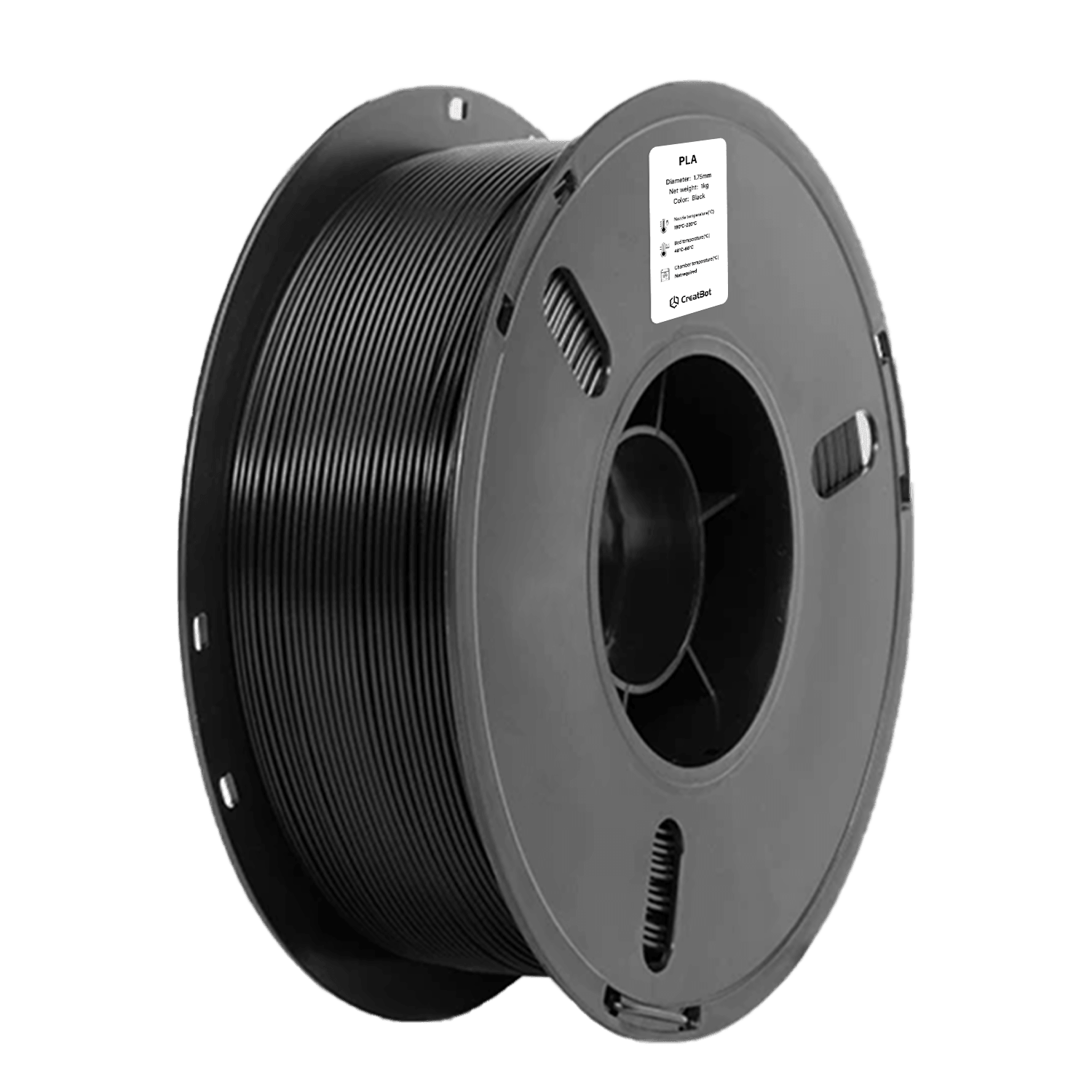
PLA

Education

Prototyping

Art & Craft

Home Decor
PLA 3D Printing Filament Features



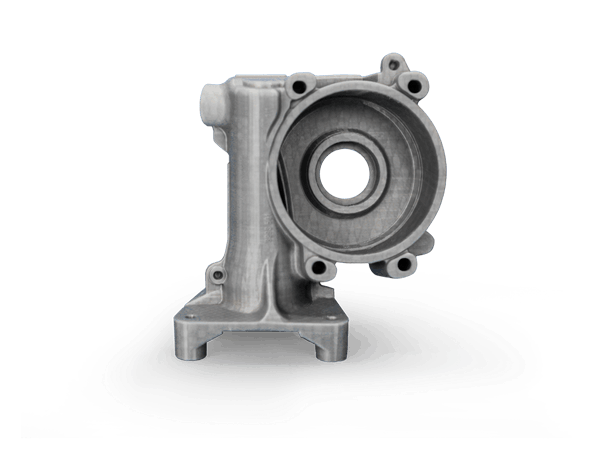
CreatBot PLA Print Preview
Advantages of Using CreatBot Filament
Premium Raw Material Quality
We select PLA resin from top-tier suppliers like BASF to ensure material purity and color consistency. Every batch undergoes full inspection before leaving the factory.
Factory Calibrated, Ready to Print
Calibrated for CreatBot printers with preset parameters. PLA requires no heated bed, ready to use out of the box.
Eco-Friendly
CreatBot PLA uses bio-based renewable raw materials. It produces low odor and low warping during printing, and can be degraded under industrial composting conditions. A safe and eco-friendly choice for education, home, and artistic creation.
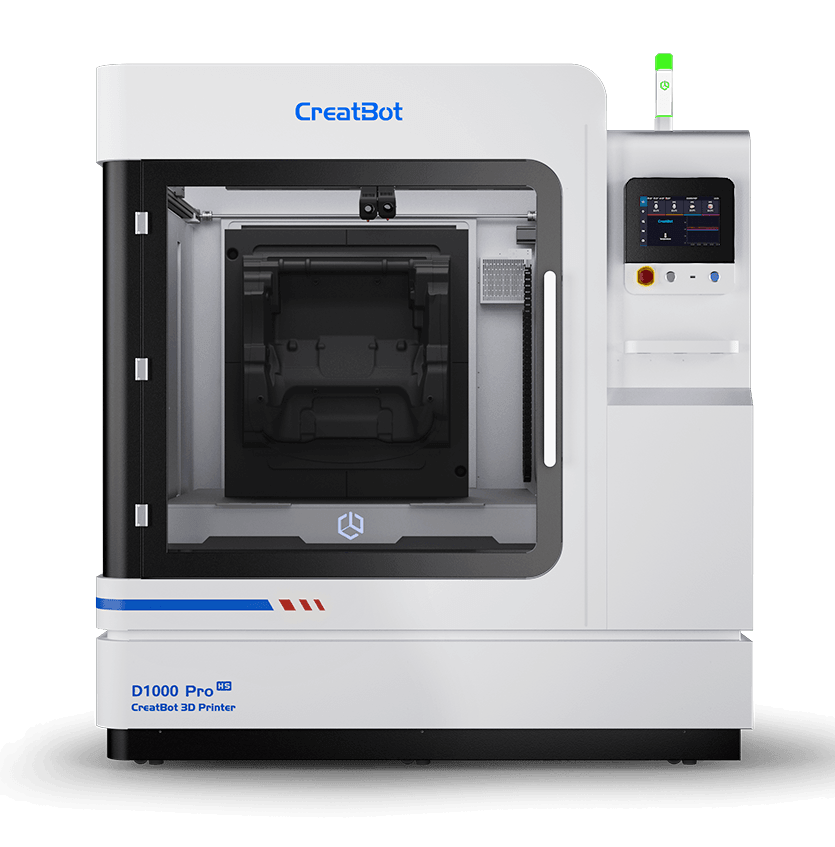
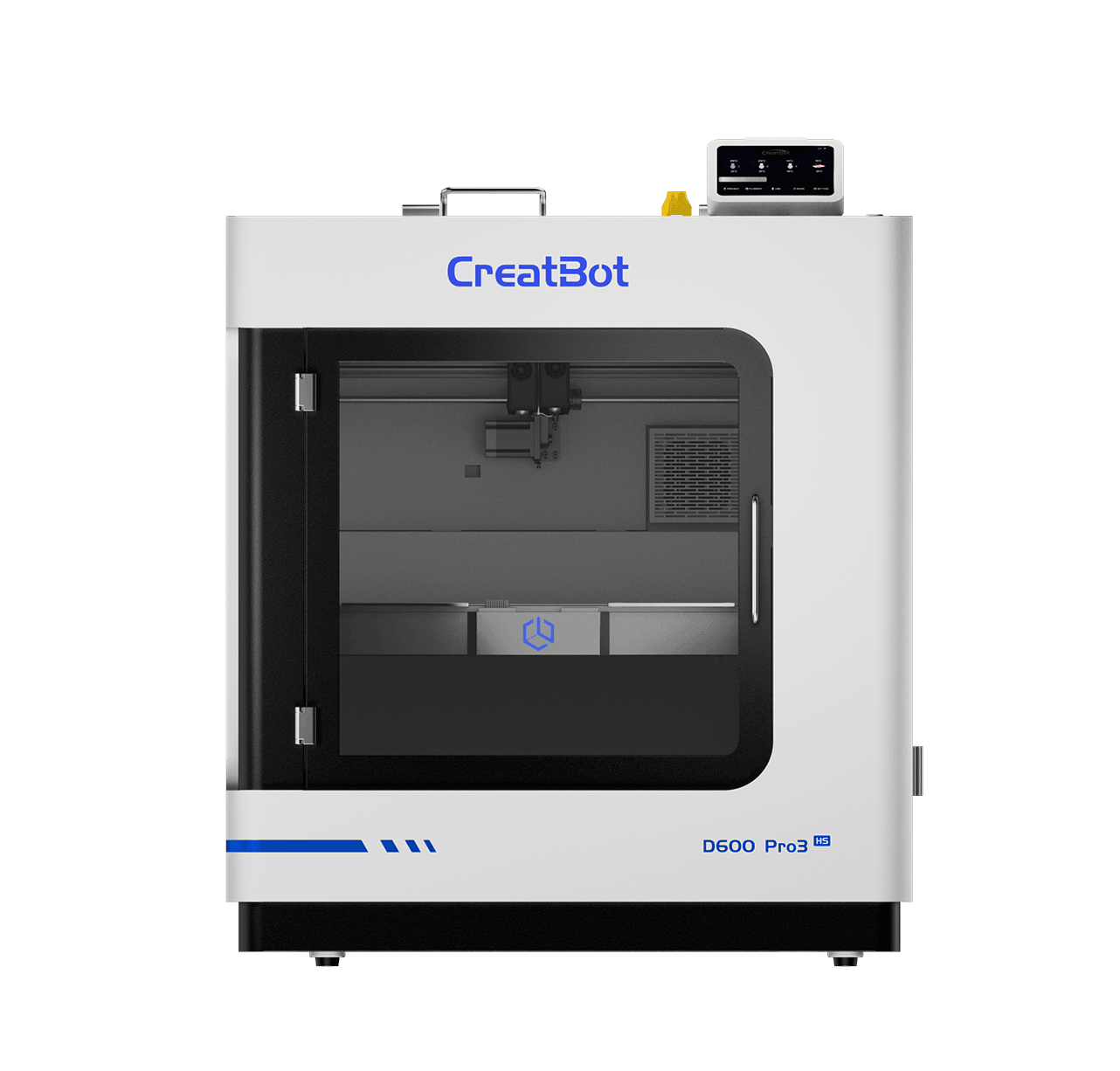
Supported 3D Printers
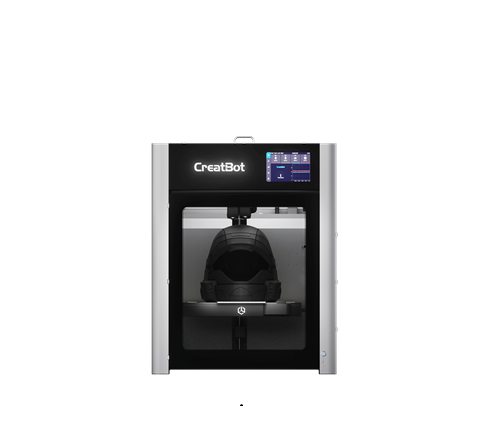
CreatBot industrial 3D printers are designed for high-performance materials. The following models feature heated chambers and high-temperature nozzles for professional-grade results.
Technical Data Sheet
| Project | Data |
|---|---|
| Pre-printing drying conditions | 40-50°C, 6-8 H |
| Nozzle temperature | 190-230°C |
| Nozzle diameter | 0.2 / 0.4 / 0.6 / 0.8 / 1.0 mm |
| Print bed surface treatment | 3D Printing Spray / PVP Glue Stick / Specialized Adhesive |
| Print bed temperature | 40-60°C |
| Chamber temperature | OFF |
| Cooling fan speed | ON |
| Print speed | < 300 mm/s |
| Physical Properties | Test method | Data |
|---|---|---|
| Density | ISO1183 | 1.24g/cm³ |
| Saturated water absorption rate | 25°C, 55%RH | 0.41% |
| Melt index | 340°C, 2.16 kg | 23.5g/10 min |
| Melting temperature | DSC, 10°C/min | 160°C |
| Vicat softening temperature | ISO 306, GB/T 1633 | 57°C |
| Determination of temperature | ISO 75, 0.45MPa | 57°C |
| Mechanical Properties | Test method | Data |
|---|---|---|
| Tensile strength XY | ISO 527, GB/T 1040 | 36 MPa |
| Tensile strength Z | ISO 527, GB/T 1040 | 32 MPa |
| Young's modulus XY | ISO 527, GB/T 1040 | 2600 MPa |
| Young's modulus Z | ISO 527, GB/T 1040 | 2100 MPa |
| Elongation at break XY | ISO 527, GB/T 1040 | 12.3% |
| Elongation at break Z | ISO 527, GB/T 1040 | 7.6% |
| Bending strength XY | ISO 178, GB/T 9341 | 77 MPa |
| Bending strength Z | ISO 178, GB/T 9341 | 60 MPa |
| Bending modulus XY | ISO 178, GB/T 9341 | 2800 MPa |
| Bending modulus Z | ISO 178, GB/T 9341 | 2400 MPa |
| Impact strength XY | ISO 179, GB/T 1043 | 27.1 kJ/m² |
| Impact strength Z | ISO 179, GB/T 1043 | 14.1 kJ/m² |
PLA Filament FAQ
PLA and ABS are the two most common 3D printing materials. Main differences: ① Print difficulty: PLA is easier, no heated bed required (50-60°C improves adhesion), nozzle 190-220°C; ABS needs heated bed (80-110°C) and enclosed chamber. ② Mechanical properties: ABS has better toughness and impact resistance; PLA has higher surface hardness but is more brittle. ③ Heat resistance: ABS HDT ~78°C, PLA only 64.3°C. ④ Eco-friendliness: PLA is made from plant starch, biodegradable, odorless; ABS is petroleum-based with slight odor. For beginners, PLA is highly recommended - high success rate, easy to use.
PLA doesn't strictly require a heated bed, but 50-60°C is recommended for better results. ① Small models (<5cm) or models with large bottom area can print on glue stick/masking tape without heating. ② Large models benefit from 50-60°C bed to reduce warping. ③ Too high bed temperature (>65°C) causes soft Elephant Foot effect. PLA recommended: nozzle 220°C, bed 65°C.
PLA has limited heat resistance, HDT only 64.3°C (1.80MPa), Tg about 62.8°C. ① Indoor use (<40°C) is completely fine. ② Summer car interiors can reach 60-80°C, PLA may soften and deform. For higher heat resistance, choose PLA+ (HDT up to 100°C), ABS, or PETG. Annealing PLA prints (70-80°C for 30-60 min, slow cool) can increase HDT to 80-100°C.
Clogs and breaks are common issues. ① Clog causes: temperature too low (<190°C), moistured filament carbonization, debris in nozzle. Fix: Heat to 230°C and use cleaning needle, or cold pull (heat to 220°C, cool to 90°C, pull out quickly). ② Break causes: tangled spool, extruded gear slipping, uneven diameter. Fix: check spool, clean gear, check filament. ③ Prevention: sealed storage, desiccant, low humidity.
Surface quality improvements: ① Layer lines: reduce layer height to 0.1-0.15mm, calibrate Z-axis, check belt tension. ② Scratches: check nozzle for residue, reduce retraction speed, adjust print speed. ③ Gloss: PLA has natural gloss; use PLA Silk for higher shine. ④ Polishing: 400→800→1500→2000 grit sandpaper for mirror finish. PLA surface has excellent adhesion for painting.
PLA prints are excellent for painting. ① Primer: Vallejo/Tamiya primer fills micro layer lines and improves paint adhesion. ② Direct painting: PLA has good adhesion for acrylic primers directly. ③ Recommended paints: Tamiya/Gunze/Star water-based spray paints have excellent adhesion and even color. ④ Water decals: compatible with PLA, use clear coat for protection. ⑤ Custom effects: masking techniques for gradient/camo. Sand lightly with 400 grit before painting for best adhesion.
More Materials
Contact Us


Message
Application Fields
Quick Links
