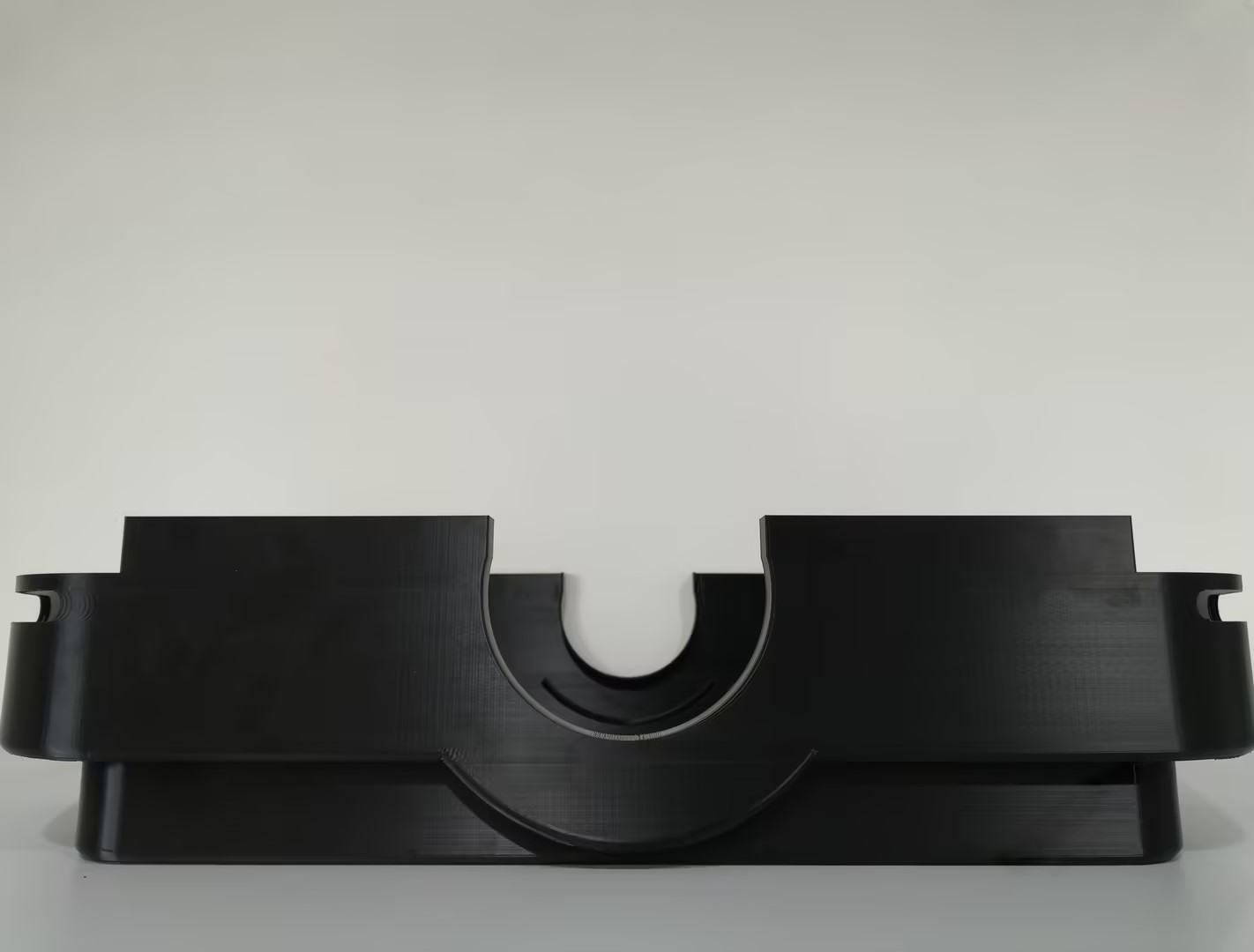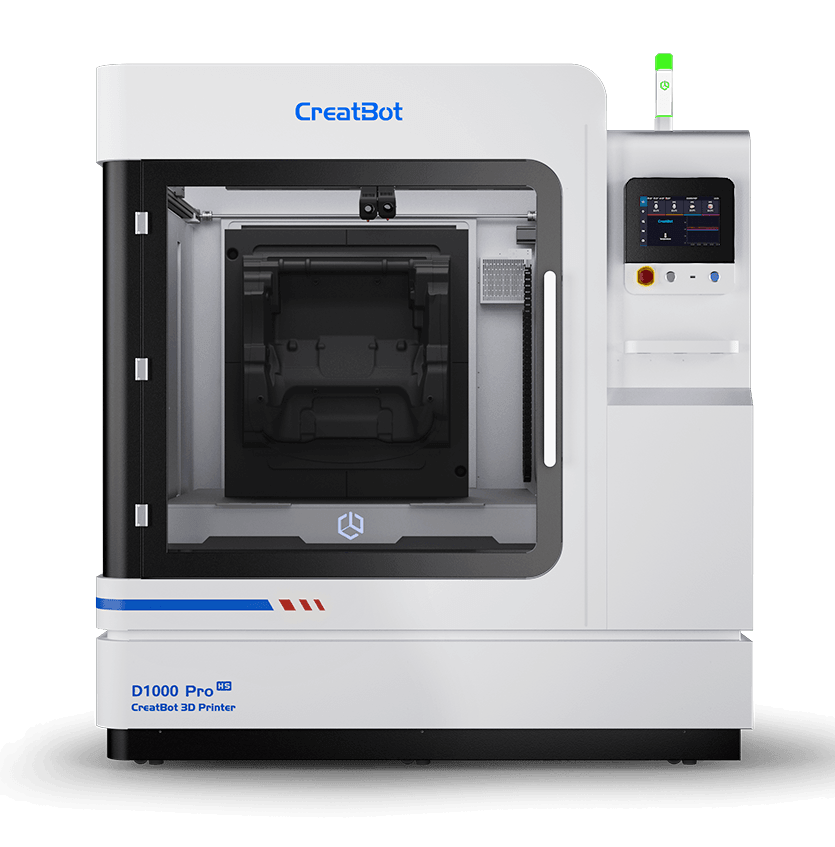


Vehicle Manufacturing

Tooling & Fixtures

Prototyping

Machinery Equipment

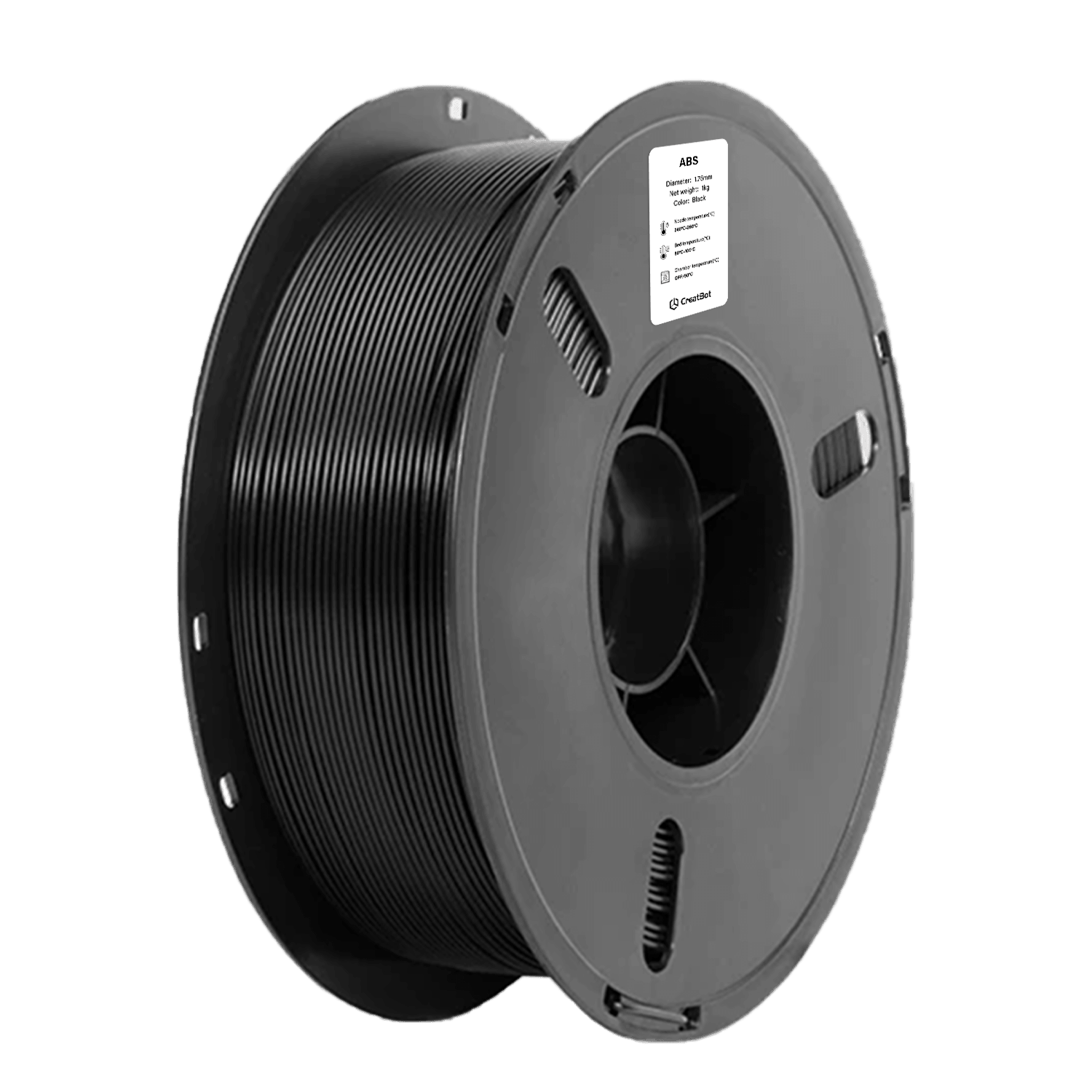
ABS 3D Printing Filament Features

ABS (Acrylonitrile Butadiene Styrene) is a high-performance thermoplastic engineering material, copolymerized from acrylonitrile, butadiene and styrene monomers. This unique structure gives ABS a balance of strength, toughness and processability, widely used in prototyping and functional part production for automotive, electronics and industrial equipment.
Mechanical Properties
Tensile strength 43 MPa, flexural strength 66 MPa, flexural modulus 1985 MPa, balancing rigidity and toughness. Elongation at break approx. 15%, notched impact strength 18 kJ/m², resistant to brittle fracture under impact and dynamic loads, suitable for tooling fixtures, structural parts and functional prototypes.
Thermal Properties
Glass transition temperature (Tg) approx. 105°C, heat deflection temperature (HDT B) 78°C (0.45MPa). Stable for long-term use below 80°C, short-term heat resistance up to 105°C. Good thermal stability ensures reliable performance in automotive engine compartments, electronic device housings and other heat-resistant applications.
Chemical Properties
Good resistance to various acids, alkalis, salt solutions, oils, gasoline and other organic solvents. Soluble in polar solvents such as acetone and ethyl acetate, enabling vapor polishing post-processing for smooth, glossy surfaces that enhance appearance quality and sealing performance.

CreatBot ABS Print Preview

CreatBot ABS Print Preview

Advantages of Printing with CreatBot Filaments

Premium Raw Material Quality

Selected virgin ABS resins from top-tier chemical giants such as BASF and INEOS, ensuring material purity from the source. Each batch undergoes full inspection of tensile strength, melt index and diameter tolerance before shipment to ensure stable and reliable performance.

Factory-Calibrated, Ready to Print

Filament formulation, melt flow and diameter tolerance (±0.03mm) are calibrated for all CreatBot models, with exclusive parameters built into the slicing software. No need for repeated debugging—unpack and print, even beginners can achieve stable print quality.

우수한 종합 기계적 특성

ABS는 강도, 인성, 충격 저항성이 균형을 이루어 기능성 프로토타입, 구조 부품, 내구성 있는 외장에 적합합니다.

TECHNICAL DATA SHEET

Physical PropertiesTest StandardTypical Value
DensityISO11831.05g/cm³
Mechanical PropertiesTest StandardTypical Value
Tensile StrengthISO52743MPa
Tensile ModulusISO5271950MPa
Flexural StrengthISO17866MPa
Flexural ModulusISO1781985MPa
Thermal PropertiesTest StandardTypical Value
Heat Deflection Temperature
(at 0.45MPa)
ISO7578℃
Glass Transition TemperatureDSC105℃

ABS Filament FAQ

Is CreatBot ABS filament compatible with other brands of 3D printers?

CreatBot ABS uses standard 1.75mm filament with industrial-grade ±0.03mm diameter tolerance control, compatible with the vast majority of FDM 3D printers that support ABS printing. The equipment must have a heated print bed (recommended 80-110°C) and an extrusion system capable of stably reaching 230-260°C. It should be noted that open-frame printers are prone to warping or interlayer cracking due to ambient temperature fluctuations when printing large ABS parts, so it is recommended to use an enclosed chamber or protective cover. Although compatibility is broad, for optimal print quality and stability, we strongly recommend using CreatBot ABS with CreatBot industrial-grade 3D printers, whose enclosed heated chamber and exclusive slicing parameters can fully leverage the performance advantages of CreatBot ABS filament.

What is the difference between CreatBot ABS and ordinary ABS filament?

CreatBot ABS filament has significant advantages in three dimensions: raw materials, process and quality control. In terms of raw materials, it uses virgin ABS resins from top-tier chemical giants such as BASF and INEOS, rather than recycled or blended materials, ensuring material purity and color consistency. In terms of process, it adopts precision extrusion production lines with laser online diameter measurement systems for real-time closed-loop control, keeping tolerance within ±0.03mm (ordinary filament is usually ±0.05mm), effectively reducing extrusion unevenness caused by diameter fluctuations. In terms of quality control, each batch undergoes key indicator testing such as tensile strength, elongation at break and melt flow index (MFR) before shipment to ensure consistent performance between batches. In actual printing, CreatBot ABS has lower warping rate, better interlayer bonding strength and more stable extrusion, with significantly higher print success rate than ordinary ABS filament, especially suitable for industrial prototype manufacturing and functional part batch production.

What is the recommended printing temperature for ABS? Any tuning suggestions?

The recommended nozzle temperature for CreatBot ABS is 230-260°C, and the bed temperature is 80-110°C. Specific temperature settings should be adjusted according to model size, layer height, print speed and equipment environment. Tuning suggestions: ① For the first layer, appropriately increase nozzle temperature by 5-10°C and reduce print speed to 20-30mm/s to enhance first layer adhesion; ② For large-area models, set bed temperature to 100-110°C and add brim (skirt) around the print edges to reduce warping; ③ When using an enclosed chamber or temperature-controlled box, maintain chamber temperature at 40-60°C to significantly reduce interlayer thermal stress and cracking risk; ④ For small or fine models, appropriately lower nozzle temperature to 230-240°C to improve detail performance, while large structural parts are recommended at 245-255°C to ensure interlayer bonding strength. It is recommended to print a temperature tower first for calibration to find the optimal temperature window for the current environment.

What types of models and application scenarios is ABS suitable for?

With its excellent comprehensive mechanical properties, good heat resistance (<80°C for long-term use) and outstanding impact resistance, ABS is widely used in multiple industrial fields. Typical applications include: ① Functional prototypes and design verification parts—for assembly testing, functional verification and appearance review, replacing CNC machined parts to significantly shorten R&D cycles and reduce development costs; ② Tooling fixtures and production aids—customized jigs, inspection tools, positioning aids, etc., with sufficient strength to meet light to medium load demands on production lines; ③ Automotive parts—interior clips, ventilation ducts, sensor brackets, wire harness retainers and other non-structural parts; ④ Electronic device housings—instrument casings, controller panels, battery boxes, etc., resistant to daily impact and with good insulation; ⑤ Consumer goods and creative products—toy models, robot shells, film props, etc., which can be vapor polished with acetone for smooth surfaces to enhance appearance quality.

How should CreatBot ABS filament be properly stored? How to handle moisture absorption?

Although ABS has lower hygroscopicity than nylon (PA) and other materials, long-term exposure to humid environments will still absorb moisture from the air, causing bubbles, stringing, rough surfaces and decreased mechanical properties during printing. Proper storage: ① Unopened filament should be stored in a cool, dry place (temperature 15-25°C, humidity < 30%), away from direct sunlight; ② Opened filament is recommended to be sealed in bags with desiccant (silica gel desiccant, recommended dosage 5-10g/roll), or stored in a filament dry box maintaining 10-20% relative humidity; ③ When not in use for short periods (more than 3 days), it is recommended to remove the filament from the printer and seal it. If moisture is found (obvious bubble sounds during printing, white surface on filament or rough extrudate), it can be dried in a hot air oven at 65-75°C for 4-6 hours (note: temperature should not exceed 80°C to avoid filament deformation and sticking), then placed in a dry environment to cool to room temperature before normal use.

Is an enclosed printing chamber required for ABS printing? Why?

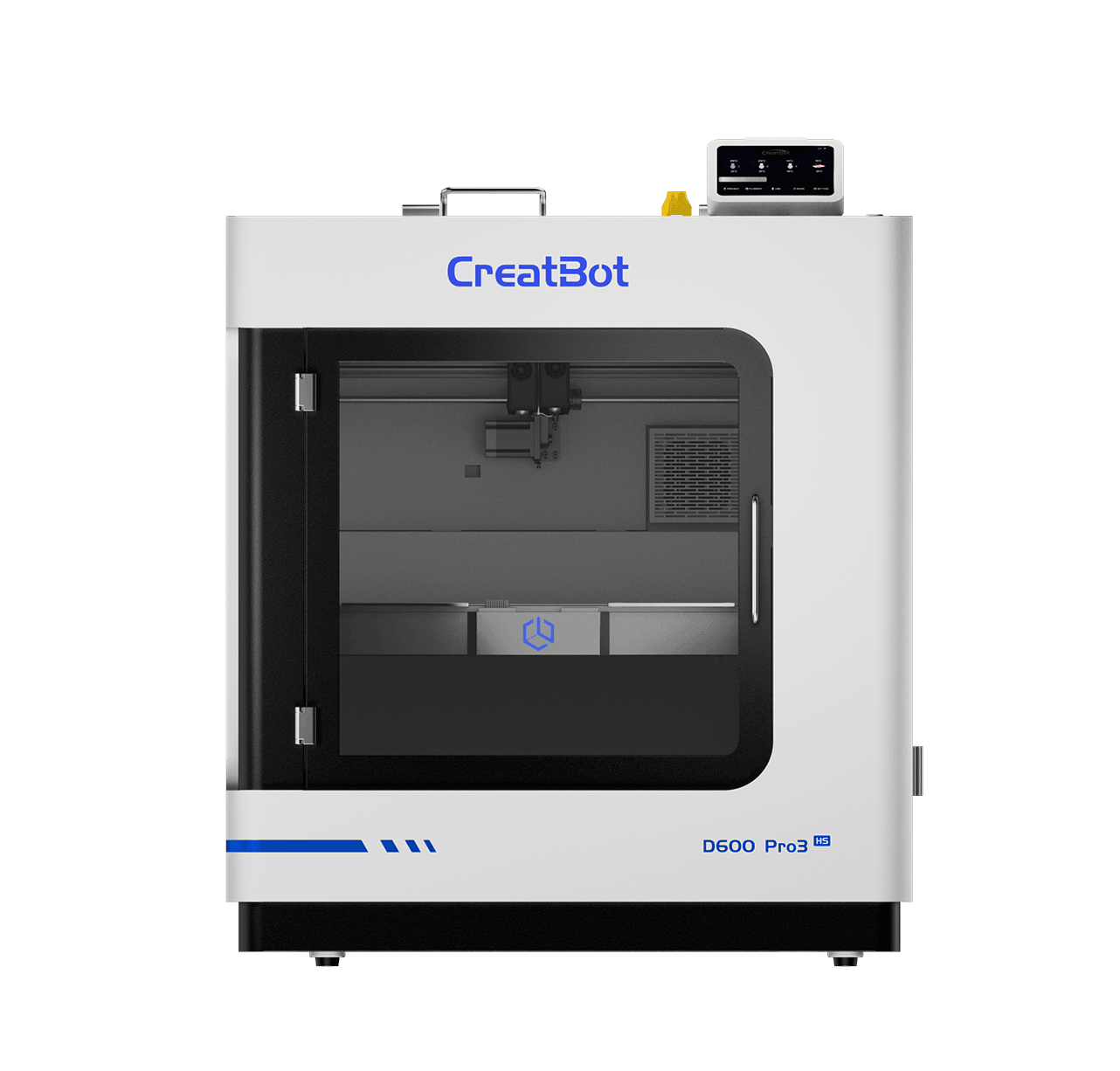
Although CreatBot ABS can theoretically be printed on open-frame printers, we strongly recommend using an enclosed or semi-enclosed printing chamber for optimal results. The reasons are as follows: ABS has a glass transition temperature of approximately 105°C and heat deflection temperature of approximately 78°C. During printing, thermal shrinkage stress from each layer accumulates layer by layer. If ambient temperature fluctuates significantly (such as open-frame printers affected by air conditioning and airflow), interlayer thermal stress can cause model edge warping, cracking or even detachment from the print bed. An enclosed chamber can stabilize ambient temperature at 40-60°C, significantly reducing thermal shrinkage stress and increasing print success rate for large models (over 15cm) from less than 50% to over 90%. For industrial large-format printing (such as CreatBot /D600 Pro3 HS series), equipment with a heated constant-temperature chamber is a key condition for ensuring print quality. If only an open-frame printer is available, it is recommended to reduce warping risk by installing acrylic protective covers around the printer, using anti-warping glue or PEI flexible steel plates, and increasing brim width.

TOP
© CreatBot 2026 모든 권리 보유 v7.0