
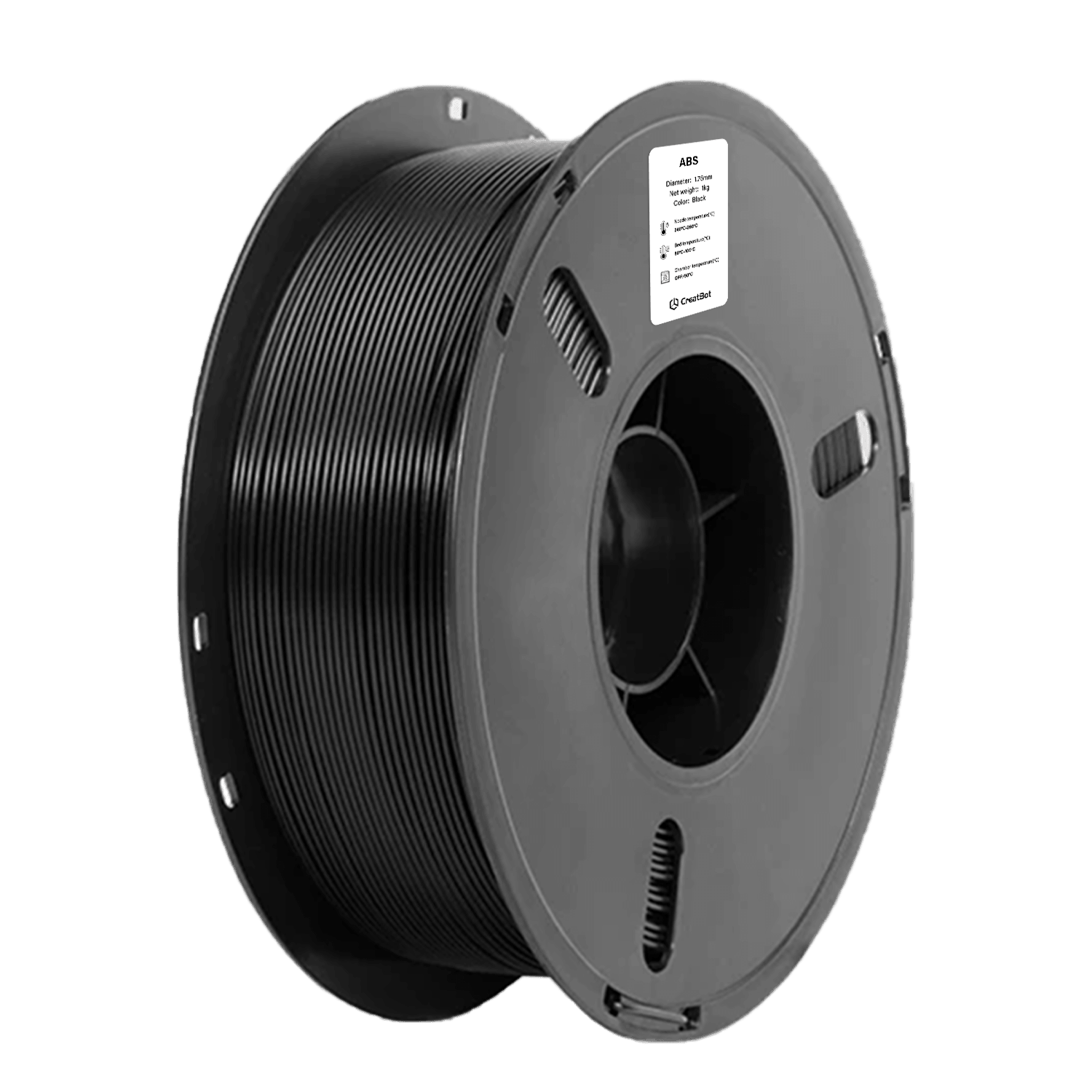
ABS

Производство транспортных средств

Оснастка и приспособления

Прототипирование

Промышленное оборудование
Особенности ABS-нити для 3D-печати



Предпросмотр печати CreatBot ABS
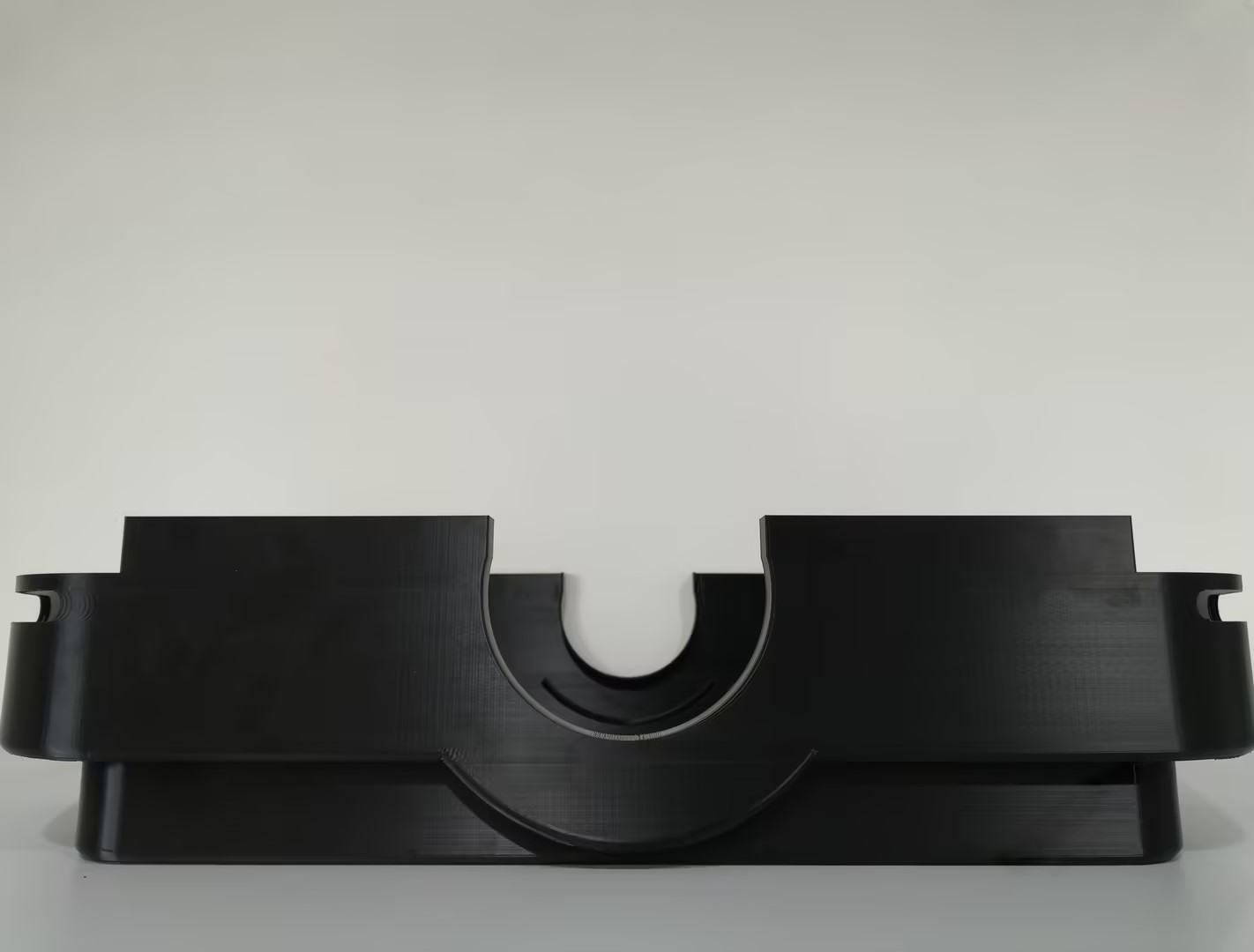
Преимущества печати нитями CreatBot
Премиальное качество сырья
Отобраны первичные ABS-смолы от ведущих химических гигантов, таких как BASF и INEOS, что гарантирует чистоту материала с самого источника. Каждая партия перед отгрузкой проходит полный контроль прочности на растяжение, индекса текучести расплава и допуска по диаметру для обеспечения стабильных и надежных характеристик.
Откалибровано на заводе, готово к печати
Рецептура нити, текучесть расплава и допуск по диаметру (±0,03 мм) откалиброваны для всех моделей CreatBot, а эксклюзивные параметры встроены в слайсер. Нет необходимости в повторной настройке: распакуйте и печатайте, даже новички могут добиться стабильного качества печати.
Отличные комплексные механические свойства
ABS обладает сбалансированной прочностью, ударопрочностью и вязкостью, что делает его идеальным для функциональных прототипов, конструкционных деталей и прочных корпусов.
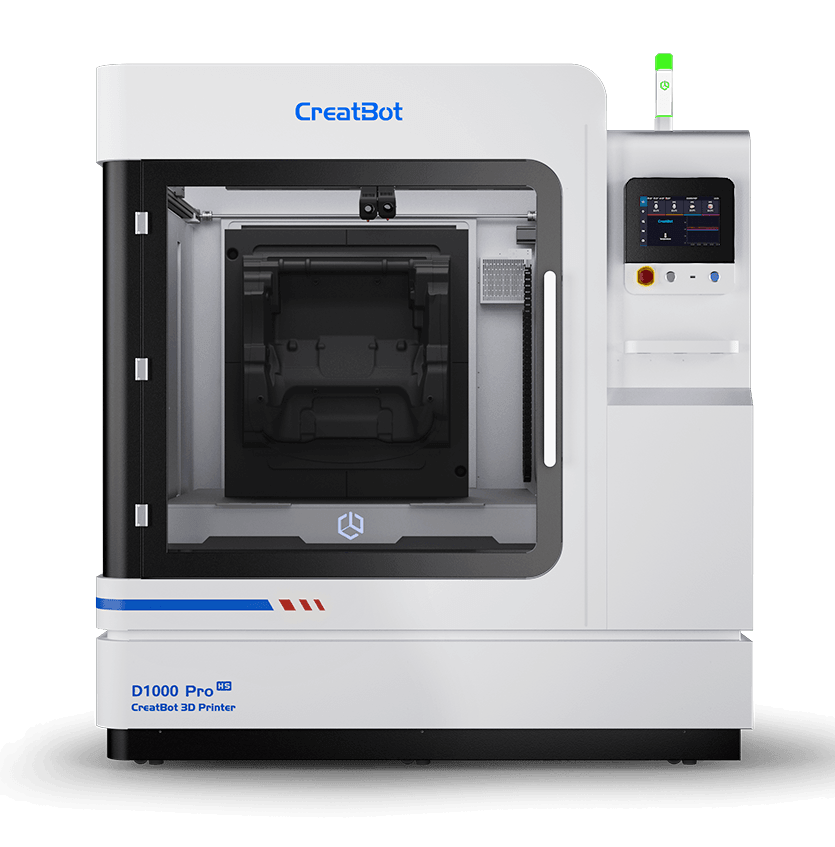
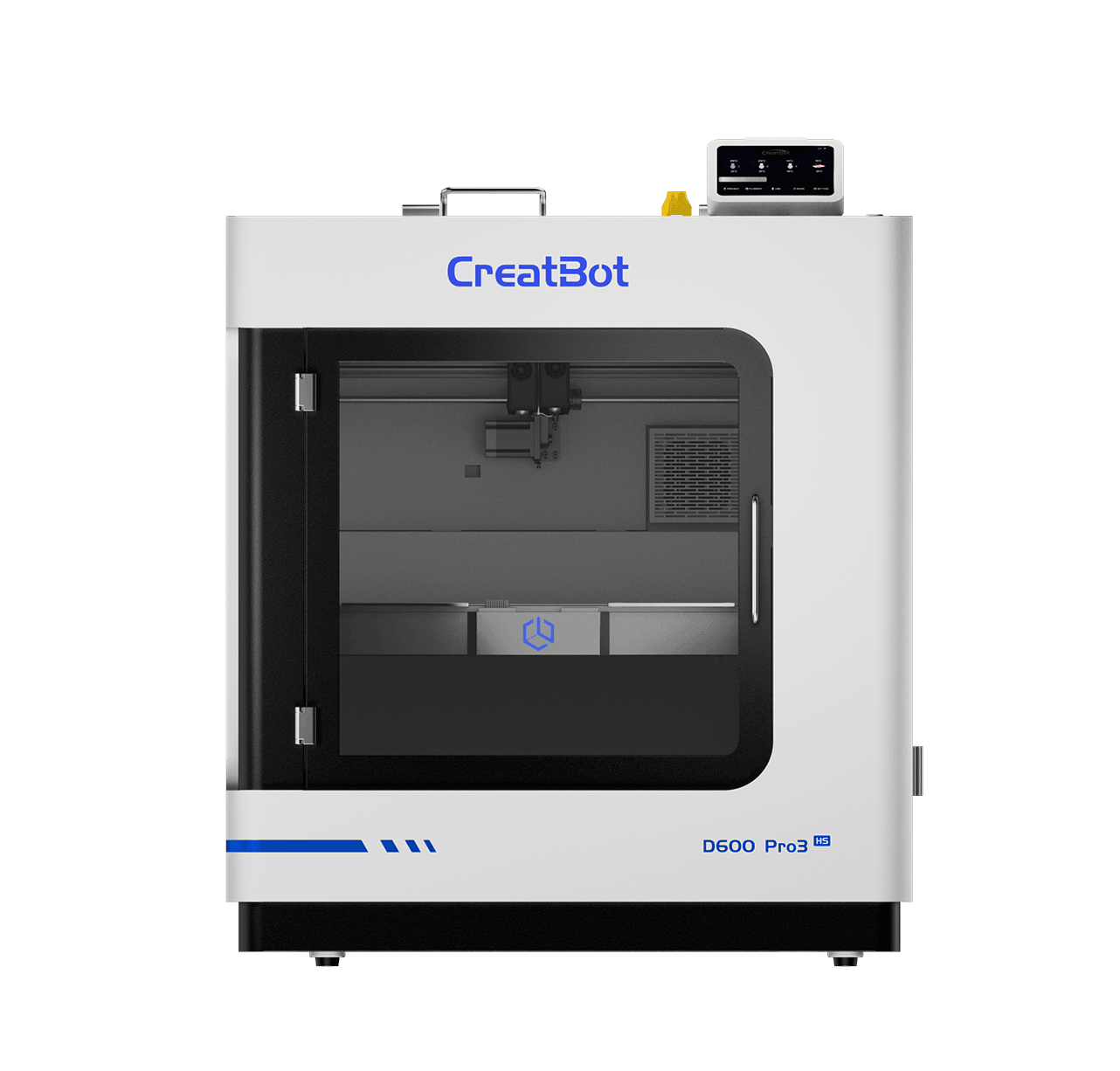
Поддерживаемые 3D-принтеры
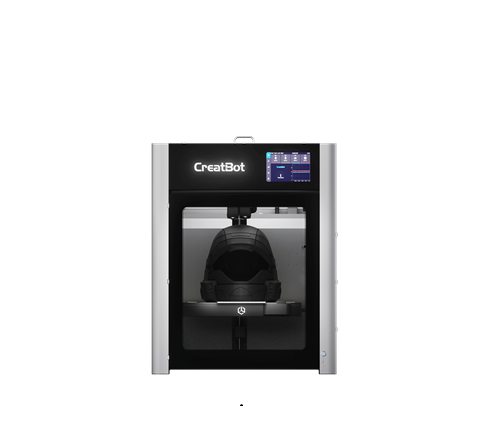
Промышленные 3D-принтеры CreatBot разработаны для высокопроизводительных материалов. Следующие модели оснащены нагреваемой камерой и высокотемпературными соплами для профессиональных результатов.
Технический паспорт
| Показатель | Данные |
|---|---|
| Условия сушки перед печатью | 70-80°C, 6-8 H |
| Температура сопла | 240-260°C |
| Диаметр сопла | 0.4 / 0.6 / 0.8 / 1.0 mm |
| Обработка поверхности стола | 3D-спрей / PVP-клей-карандаш / Специализированный клей |
| Температура стола | 80-100°C |
| Температура камеры | 50°C |
| Скорость вентилятора охлаждения | 0-80% |
| Скорость печати | < 300 mm/s |
| Физические свойства | Метод испытания | Данные |
|---|---|---|
| Плотность | ISO1183 | 1.05g/cm³ |
| Степень водопоглощения при насыщении | 25°C, 55%RH | 0.65% |
| Текучесть расплава | 260°C, 2.16 kg | 34g/10 min |
| Температура плавления | DSC, 10°C/min | 200°C |
| Температура размягчения по Викату | ISO 306, GB/T 1633 | 93°C |
| Определение температуры | ISO 75, 0.45MPa | 85°C |
| Механические свойства | Метод испытания | Данные |
|---|---|---|
| Прочность на растяжение XY | ISO 527, GB/T 1040 | 32 MPa |
| Прочность на растяжение Z | ISO 527, GB/T 1040 | 28 MPa |
| Модуль Юнга XY | ISO 527, GB/T 1040 | 2180 MPa |
| Модуль Юнга Z | ISO 527, GB/T 1040 | 1930 MPa |
| Относительное удлинение при разрыве XY | ISO 527, GB/T 1040 | 10.2% |
| Относительное удлинение при разрыве Z | ISO 527, GB/T 1040 | 4.6% |
| Прочность на изгиб XY | ISO 178, GB/T 9341 | 60 MPa |
| Прочность на изгиб Z | ISO 178, GB/T 9341 | 38 MPa |
| Модуль изгиба XY | ISO 178, GB/T 9341 | 1860 MPa |
| Модуль изгиба Z | ISO 178, GB/T 9341 | 1580 MPa |
| Ударная вязкость XY | ISO 179, GB/T 1043 | 39 kJ/m² |
| Ударная вязкость Z | ISO 179, GB/T 1043 | 7.4 kJ/m² |
Часто задаваемые вопросы об ABS-нити
CreatBot ABS использует стандартную нить диаметром 1,75 мм с промышленным контролем допуска диаметра ±0,03 мм, совместимую с подавляющим большинством FDM 3D-принтеров, поддерживающих печать ABS. Оборудование должно иметь нагреваемый стол (рекомендуется 80–110 ℃) и экструдер, способный стабильно достигать 230–260 ℃. Следует учитывать, что открытые принтеры при печати крупных ABS-деталей склонны к короблению или межслойному растрескиванию из-за колебаний температуры окружающей среды, поэтому рекомендуется использовать закрытую камеру или защитный кожух. Несмотря на широкую совместимость, для достижения оптимального качества и стабильности печати мы настоятельно рекомендуем использовать CreatBot ABS вместе с промышленными 3D-принтерами CreatBot, закрытая нагреваемая камера и эксклюзивные параметры слайсинга которых позволяют в полной мере раскрыть преимущества нити CreatBot ABS.
Нить CreatBot ABS имеет значительные преимущества в трех измерениях: сырье, процесс и контроль качества. В части сырья используются первичные ABS-смолы от ведущих химических гигантов, таких как BASF и INEOS, а не переработанные или смешанные материалы, что гарантирует чистоту материала и стабильность цвета. В части процесса применяются прецизионные экструзионные линии с лазерными системами онлайн-контроля диаметра для замкнутого управления в реальном времени, поддерживающие допуск в пределах ±0,03 мм (обычная нить обычно ±0,05 мм), что эффективно снижает неравномерность экструзии, вызванную колебаниями диаметра. В части контроля качества каждая партия перед отгрузкой проходит испытания по ключевым показателям: прочность на растяжение, относительное удлинение при разрыве и индекс текучести расплава (MFR), обеспечивая стабильность характеристик от партии к партии. При реальной печати CreatBot ABS отличается меньшей склонностью к короблению, более высокой прочностью межслойного сцепления и стабильной экструзией, значительно превосходя обычную ABS-нить по успешности печати, особенно подходит для промышленного прототипирования и серийного производства функциональных деталей.
Рекомендуемая температура сопла для CreatBot ABS — 230–260 ℃, температура стола — 80–110 ℃. Конкретные температурные настройки следует корректировать в зависимости от размера модели, высоты слоя, скорости печати и условий оборудования. Советы по настройке: ① Для первого слоя рекомендуется повысить температуру сопла на 5–10 ℃ и снизить скорость печати до 20–30 мм/с для улучшения адгезии первого слоя; ② Для моделей с большой площадью основания установите температуру стола 100–110 ℃ и добавьте брим (skirt) по краям печати для уменьшения коробления; ③ При использовании закрытой камеры или термобокса поддерживайте температуру в камере 40–60 ℃, чтобы значительно снизить межслойное тепловое напряжение и риск растрескивания; ④ Для мелких или детализированных моделей рекомендуется снизить температуру сопла до 230–240 ℃ для улучшения детализации, а для крупных конструкционных деталей — 245–255 ℃ для обеспечения прочности межслойного сцепления. Рекомендуется предварительно напечатать температурную башню для калибровки и подбора оптимального температурного окна для текущих условий.
Благодаря отличным комплексным механическим свойствам, хорошей термостойкости (длительное использование при температуре ниже 80 ℃) и выдающейся ударопрочности ABS широко используется в различных промышленных отраслях. Типичные применения включают: ① Функциональные прототипы и детали для проверки дизайна — для сборочных испытаний, функциональной верификации и визуального контроля, заменяя детали, изготовленные на станках с ЧПУ, что позволяет существенно сократить циклы НИОКР и снизить затраты на разработку; ② Оснастка и производственные приспособления — индивидуальные кондукторы, инспекционные инструменты, позиционеры и т.д., обладающие достаточной прочностью для работы под легкими и средними нагрузками на производственных линиях; ③ Автомобильные детали — внутренние клипсы, воздуховоды, кронштейны датчиков, фиксаторы жгутов проводов и другие неконструкционные элементы; ④ Корпуса электронных устройств — корпуса приборов, панели управления, батарейные отсеки и т.д., устойчивые к повседневным ударам и обладающие хорошей изоляцией; ⑤ Товары народного потребления и творческие изделия — игрушечные модели, корпуса роботов, кинореквизит и т.д., которые могут подвергаться паровой полировке ацетоном для получения гладкой поверхности и улучшения внешнего вида.
Хотя ABS обладает меньшей гигроскопичностью, чем нейлон (PA) и другие материалы, длительное нахождение во влажной среде приводит к поглощению влаги из воздуха, что вызывает пузыри, нити, шероховатую поверхность и снижение механических свойств при печати. Правильное хранение: ① Нераспечатанную нить следует хранить в прохладном сухом месте (температура 15–25 ℃, влажность < 30 %) вдали от прямых солнечных лучей; ② Открытую нить рекомендуется хранить в запаянных пакетах с осушителем (силикагель, рекомендуемая доза 5–10 г/катушку) или в сухом боксе для нити с относительной влажностью 10–20 %; ③ При кратковременном неиспользовании (более 3 дней) рекомендуется извлекать нить из принтера и запечатывать. При обнаружении влаги (явное шипение пузырей при печати, побеление поверхности нити или шероховатый экструдат) нить можно высушить в конвекционной печи при 65–75 ℃ в течение 4–6 часов (внимание: температура не должна превышать 80 ℃, чтобы избежать деформации и слипания нити), затем оставить остывать до комнатной температуры в сухой среде перед обычным использованием.
Хотя CreatBot ABS теоретически можно печатать на открытых принтерах, для достижения оптимальных результатов мы настоятельно рекомендуем использовать закрытую или полузакрытую печатную камеру. Причины следующие: температура стеклования ABS составляет около 105 ℃, а температура тепловой деформации — около 78 ℃. В процессе печати тепловое усадочное напряжение каждого слоя накапливается слой за слоем. При значительных колебаниях температуры окружающей среды (например, на открытых принтерах под воздействием кондиционера и сквозняков) межслойное тепловое напряжение может привести к короблению кромок модели, растрескиванию или даже отрыву от стола. Закрытая камера позволяет стабилизировать температуру окружающей среды на уровне 40–60 ℃, значительно снизить тепловое усадочное напряжение и повысить успешность печати крупных моделей (свыше 15 см) с менее 50 % до более 90 %. Для промышленной широкоформатной печати (например, серия CreatBot D600 Pro3 HS) оборудование с нагреваемой термостатированной камерой является ключевым условием обеспечения качества печати. Если доступен только открытый принтер, рекомендуется снизить риск коробления, установив акриловые защитные кожухи вокруг принтера, используя клей против коробления или PEI гибкие стальные пластины, а также увеличив ширину брима.
Больше Материалов
Свяжитесь с нами


Сообщение
Области Применения
Быстрые ссылки
