
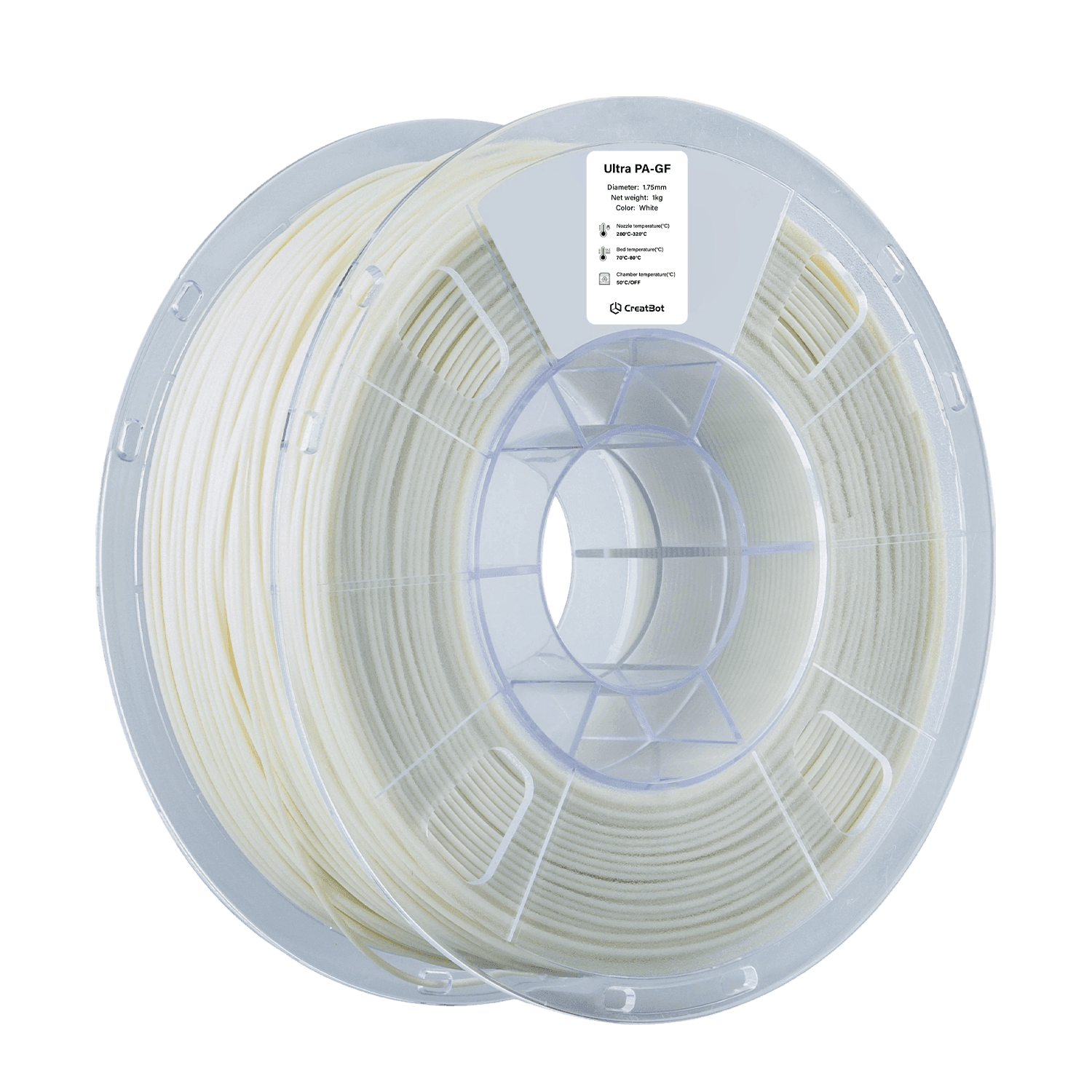
UltraPA-GF

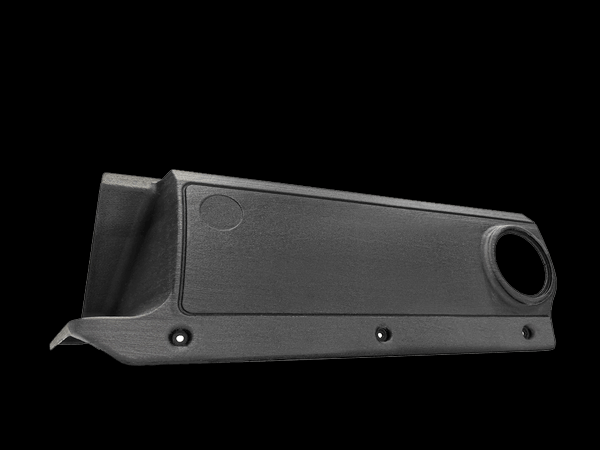
Peças Estruturais

Componentes Automotivos
Equipamentos Industriais

Ferramentas e Dispositivos
Características do Filamento



Pré-visualização de Impressão
Vantagens de imprimir com filamentos CreatBot
Alta Resistência e Rigidez
A adição de fibras de vidro melhora significativamente as propriedades mecânicas, com módulo de tração atingindo 5118MPa e módulo de flexão 4135MPa, mais de 50% de rigidez superior aos materiais PA padrão, capaz de substituir peças metálicas em aplicações de alta carga.
Estabilidade Dimensional Excepcional
As fibras de vidro inibem efetivamente a contração e a empenamento durante a impressão, mantendo alta precisão mesmo em peças grandes com desvio dimensional menor que 0,2%, alcançando peças de ajuste de precisão sem pós-processamento complexo.
Superior Resistência ao Calor
Temperatura de deflexão térmica de 180℃, capaz de operação estável a longo prazo em ambientes de alta temperatura, adequado para aplicações sob o capô automotivo e equipamentos industriais, com resistência ao calor aproximadamente 60℃ superior aos materiais PA padrão.
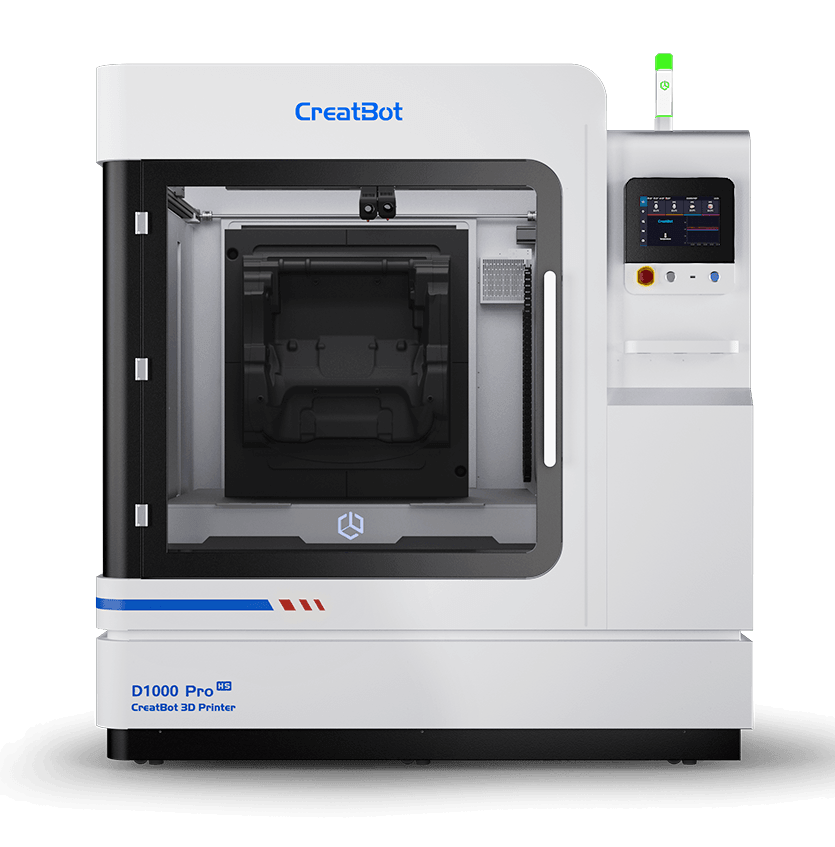
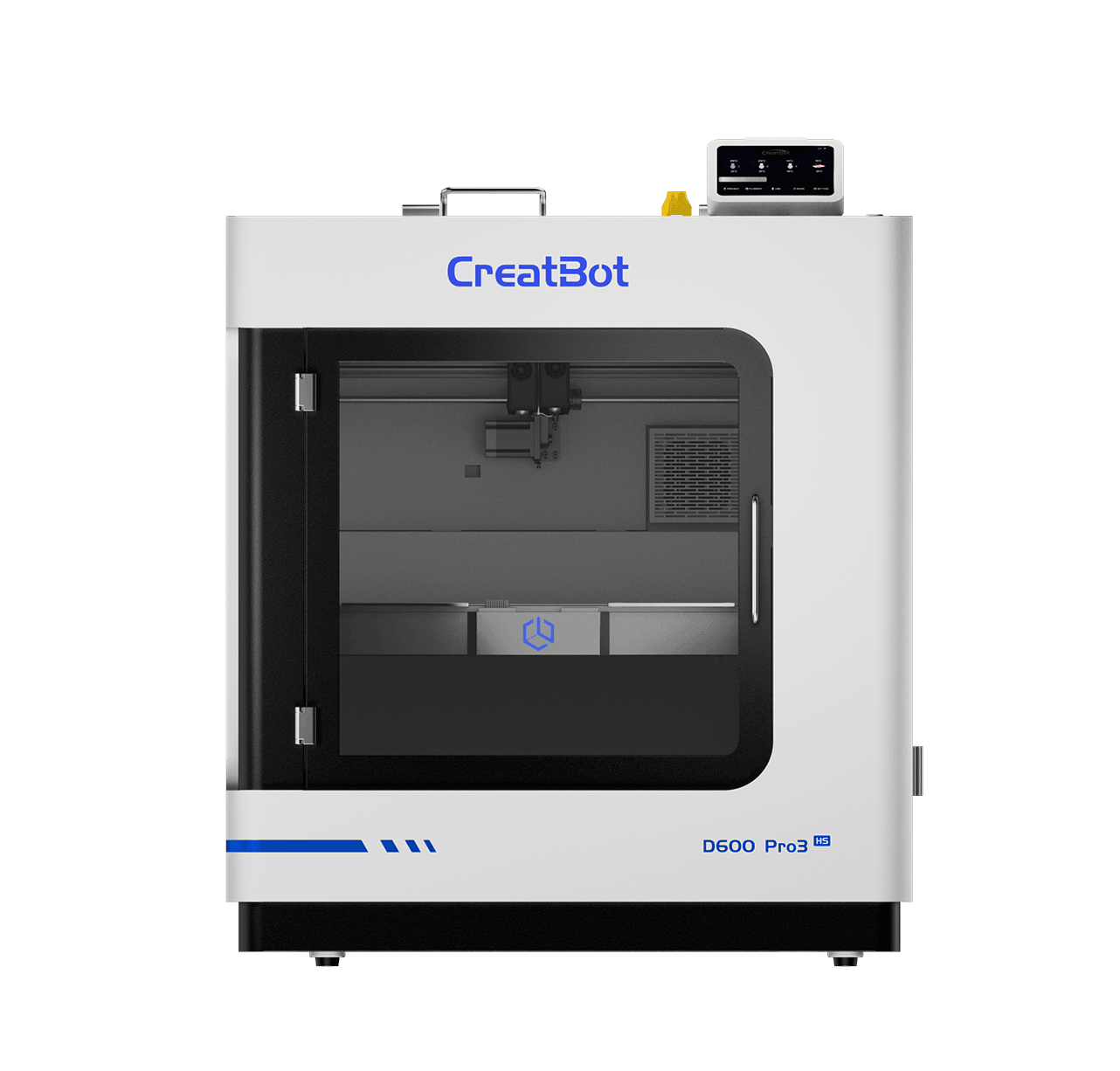
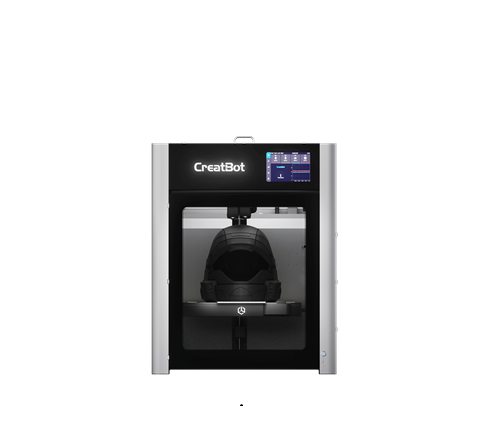
Impressoras 3D Compatíveis
As impressoras 3D industriais CreatBot são projetadas para materiais de alto desempenho. Os seguintes modelos possuem câmara aquecida e bicos de alta temperatura para resultados profissionais.
Ficha Técnica
| Item | Dado |
|---|---|
| Condições de secagem pré-impressão | 80-100℃, 6-8 H (Estufa de secagem por convecção) |
| Temperatura do bico | 300-320℃ |
| Diâmetro do bico | 0,4 / 0,6 / 0,8 / 1,0 mm |
| Tratamento da superfície da mesa de impressão | Spray de impressão 3D / cola sólida PVP / adesivo especializado |
| Temperatura da mesa | 70-90℃ |
| Temperatura da câmara | / |
| Ventoinha de refrigeração | OFF |
| Velocidade de impressão | 30-120 mm/s |
| Propriedades Físicas | Método de ensaio | Dado |
|---|---|---|
| Densidade | ISO1183 | 1.27g/cm³ |
| Absorção de água saturada | 25℃,55%RH | 1.75% |
| Índice de fusão | 340℃,2.16 kg | 7.6g/10 min |
| Temperatura de fusão | DSC, 10℃/min | 237℃ |
| Temperatura de amolecimento Vicat | ISO 306, GB/T 1633 | / |
| Temperatura de deformação térmica | ISO 75, 0.45MPa | 180℃ |
| Propriedades Mecânicas | Método de ensaio | Dado |
|---|---|---|
| Resistência à tração XY | ISO 527, GB/T 1040 | 86 MPa |
| Resistência à tração Z | ISO 527, GB/T 1040 | 59 MPa |
| Módulo de Young XY | ISO 527, GB/T 1040 | 5118 MPa |
| Módulo de Young Z | ISO 527, GB/T 1040 | 3952 MPa |
| Alongamento na ruptura XY | ISO 527, GB/T 1040 | 2.71% |
| Alongamento na ruptura Z | ISO 527, GB/T 1040 | 1.78% |
| Resistência à flexão XY | ISO 178, GB/T 9341 | 137 MPa |
| Resistência à flexão Z | ISO 178, GB/T 9341 | / |
| Módulo de flexão XY | ISO 178, GB/T 9341 | 4135 MPa |
| Módulo de flexão Z | ISO 178, GB/T 9341 | / |
| Resistência ao impacto XY | ISO 179, GB/T 1043 | 7.97 kJ/m² |
| Resistência ao impacto Z | ISO 179, GB/T 1043 | / |
Perguntas Frequentes
UltraPA-GF usa reforço de fibra de vidro para maior rigidez e resistência ao calor, com HDT de 180℃, ideal para aplicações de alta rigidez e alta temperatura; UltraPA-CF usa fibra de carbono para menor peso e maior resistência, adequado para aplicações sensíveis ao peso. Escolha com base nas necessidades específicas: GF para alta rigidez, CF para leveza.
Secagem completa antes da impressão (80-100℃, 6-8 horas), temperatura do bico recomendada 280-320℃, temperatura da mesa 70-90℃, usar bico de aço endurecido ou rubi para resistir ao desgaste da fibra de vidro, velocidade de impressão 30-120mm/s, isolamento da câmara para melhores resultados.
Compatível com todas as impressoras 3D industriais de alta temperatura CreatBot, incluindo D400 HS, D600 Pro3 HS e outros modelos. Requer impressora com temperatura do bico acima de 300℃, câmara de temperatura constante e mesa de alta temperatura para resultados ótimos.
A absorção de água saturada é 1,75%, a absorção de umidade leva à degradação da qualidade de impressão e redução do desempenho. Deve ser seco a 80-100℃ por 6-8 horas antes da impressão, armazenamento selado recomendado após a impressão ou uso em ambientes secos.
Adequado para várias peças industriais: suportes estruturais, componentes sob o capô automotivo, carcaças de equipamentos industriais, ferramentas e dispositivos, peças funcionais resistentes ao calor, peças de isolamento elétrico, etc. Especialmente adequado para aplicações que requerem alta rigidez, resistência ao calor e estabilidade dimensional.
A temperatura de deflexão térmica (HDT) é 180℃ (testada a 0,45MPa), a temperatura de amolecimento Vicat ultrapassa 200℃, capaz de operar de forma estável a longo prazo abaixo de 150℃, pode suportar temperaturas mais altas a curto prazo, adequado para aplicações automotivas e industriais de alta temperatura.
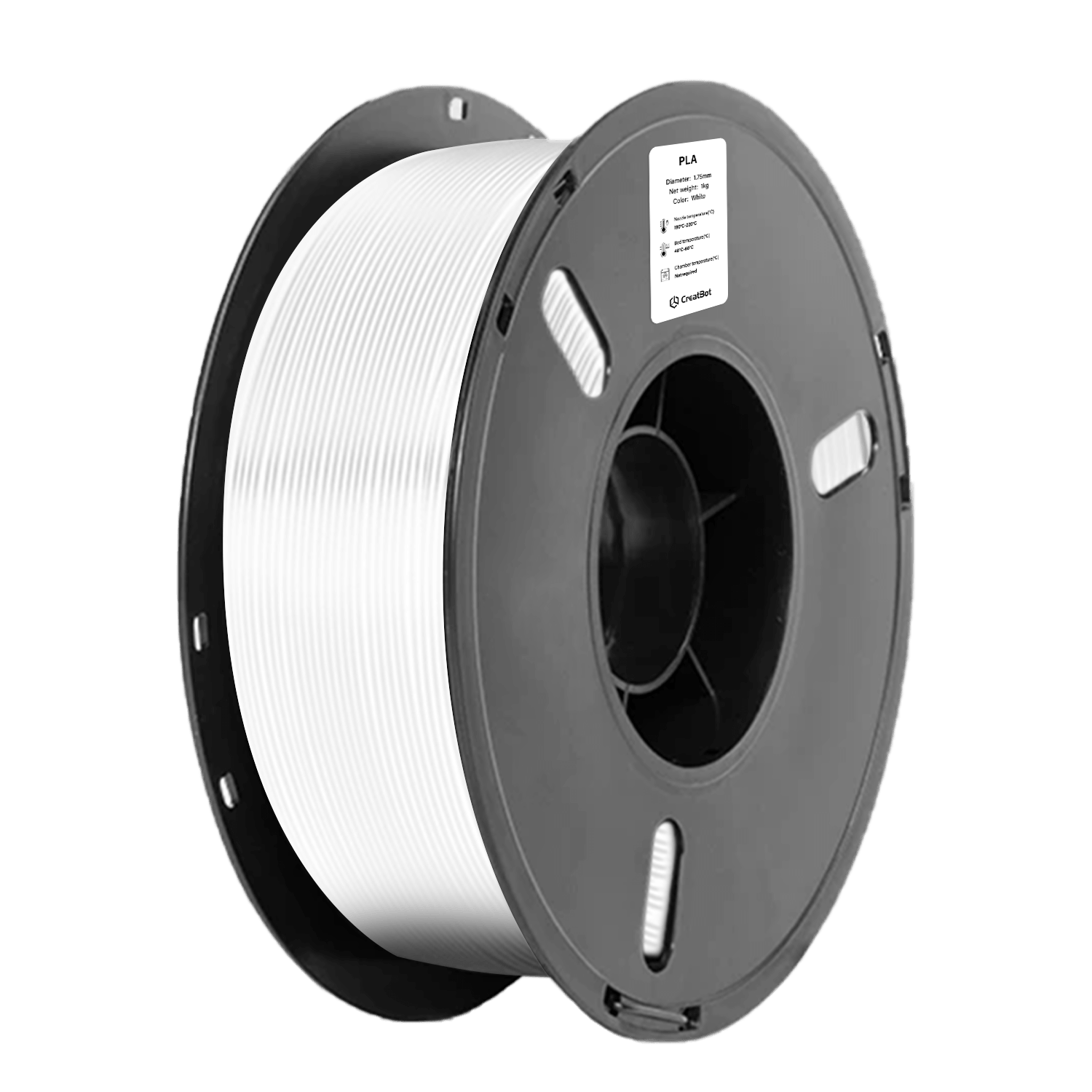
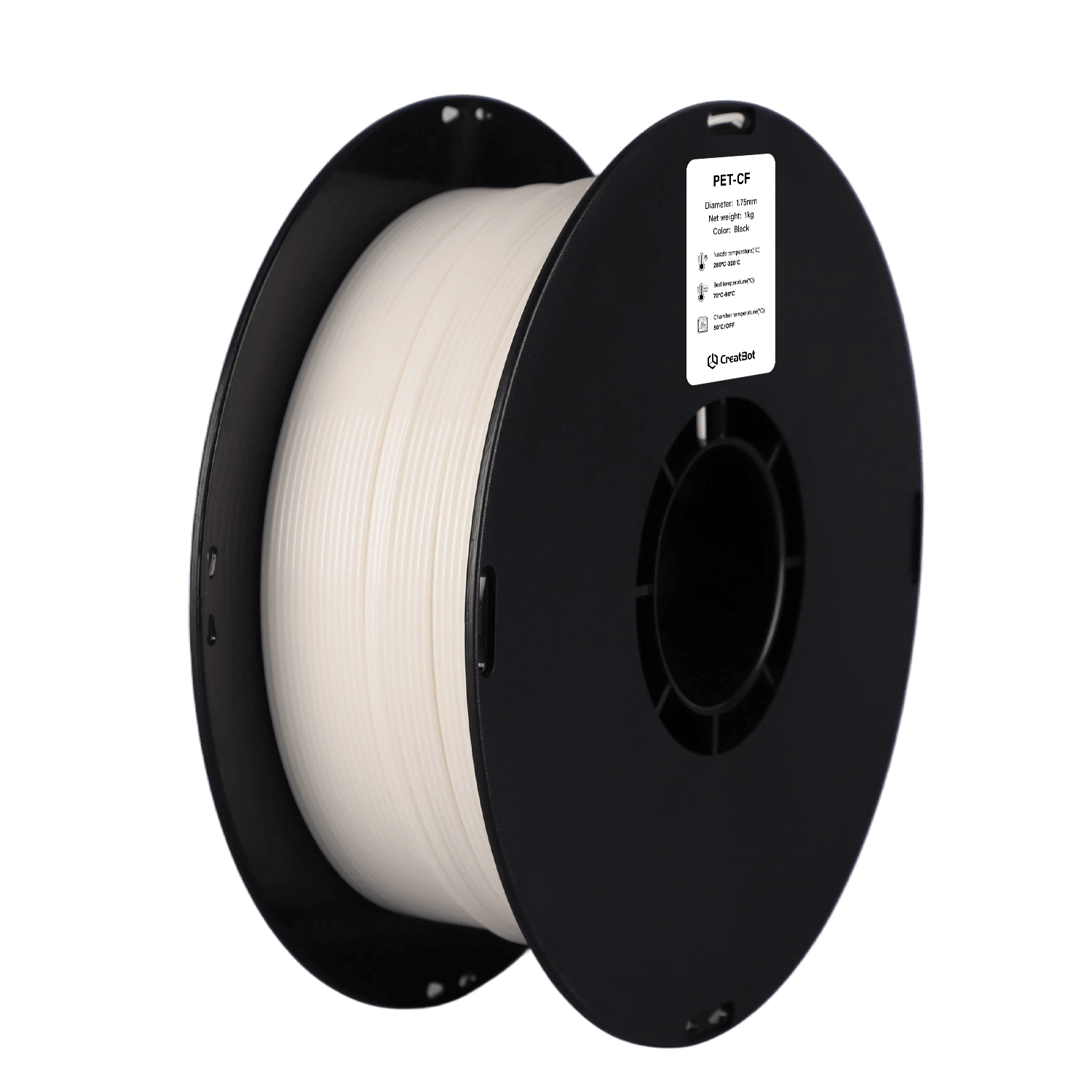
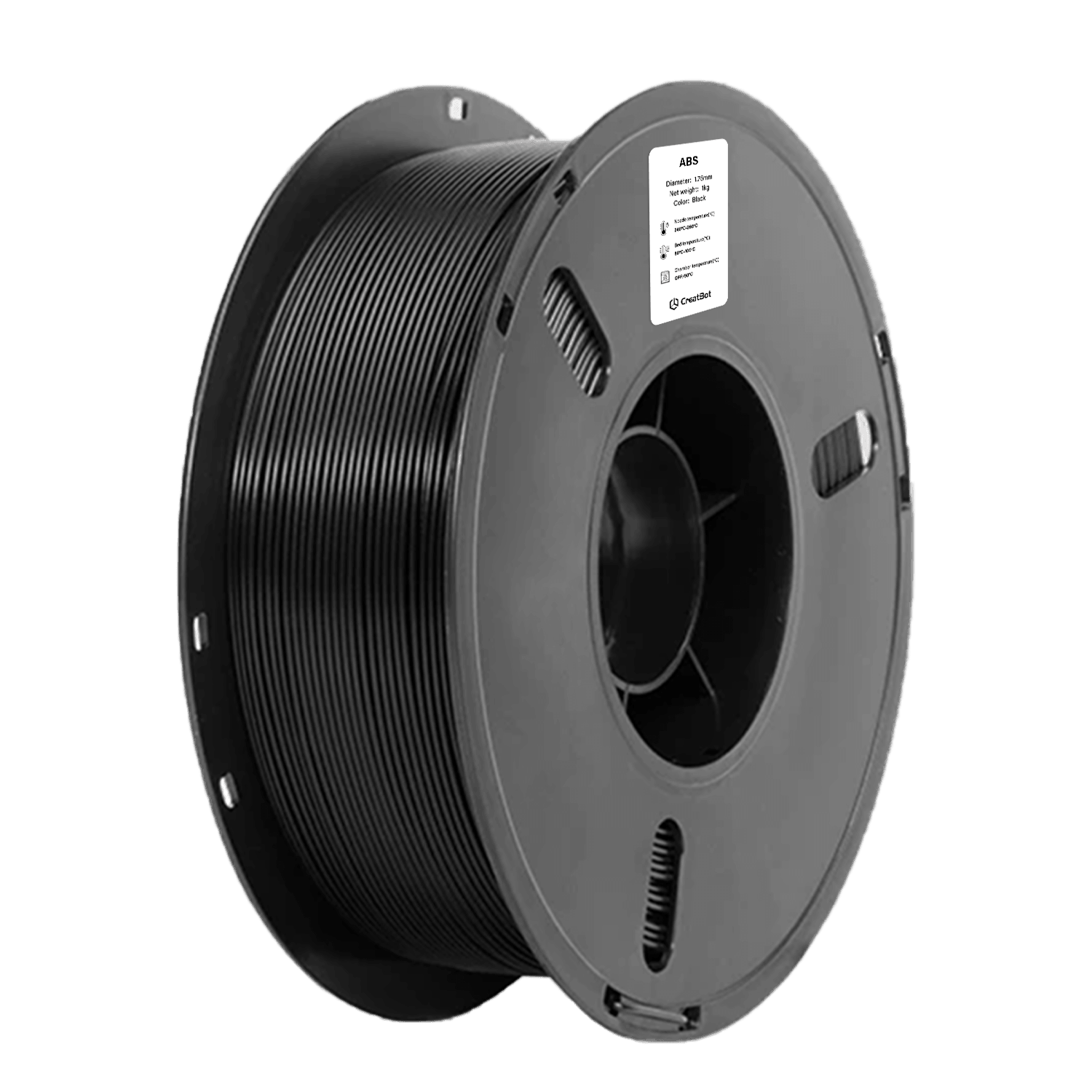
Mais Materiais
Contate-Nos


Mensagem
Campos de Aplicação
Links Rápidos
