
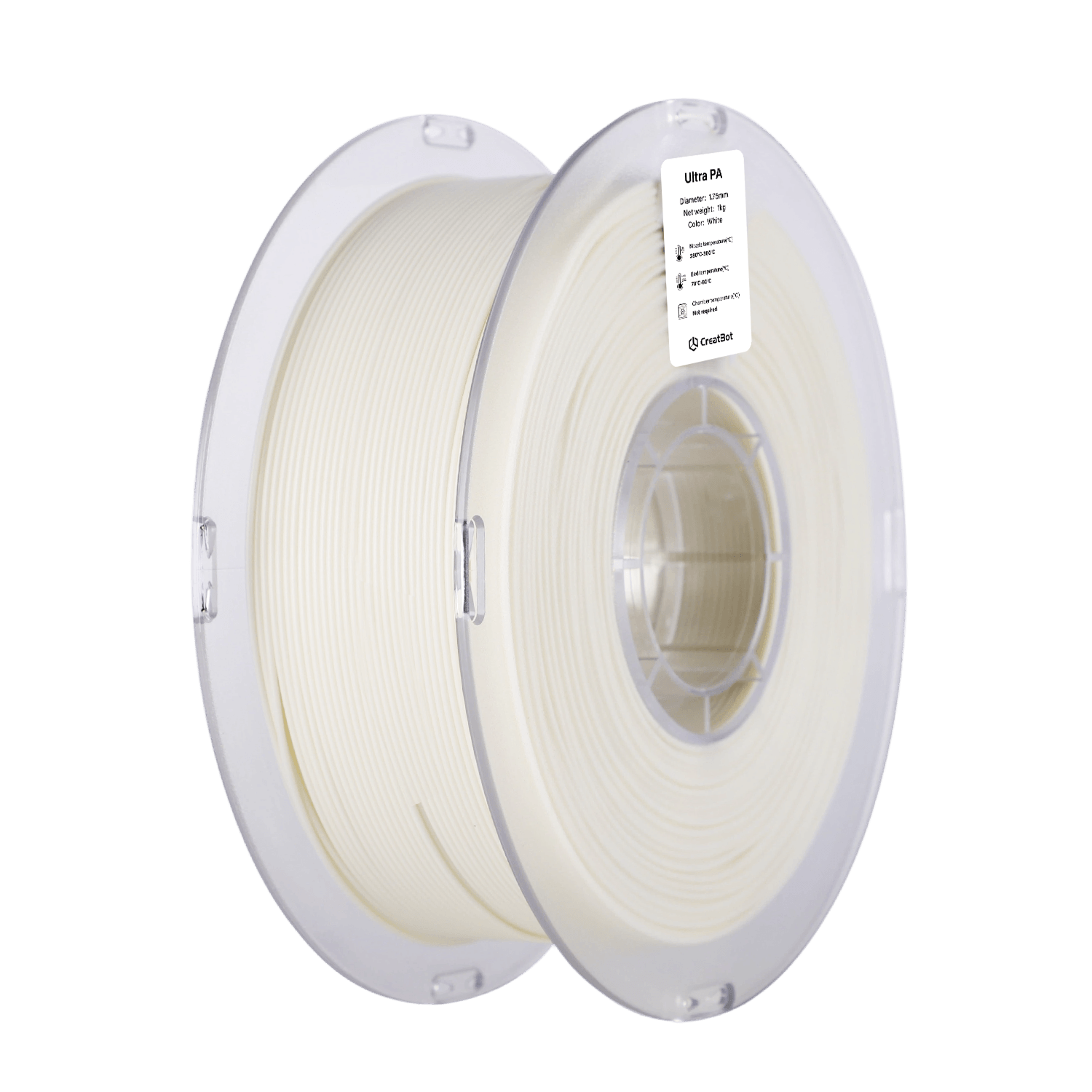
Ultra PA

Luft- und Raumfahrt

Verschleißteile

Funktionale Automobilbauteile

Industrieausrüstung
Eigenschaften des Ultra PA 3D-Druckfilaments



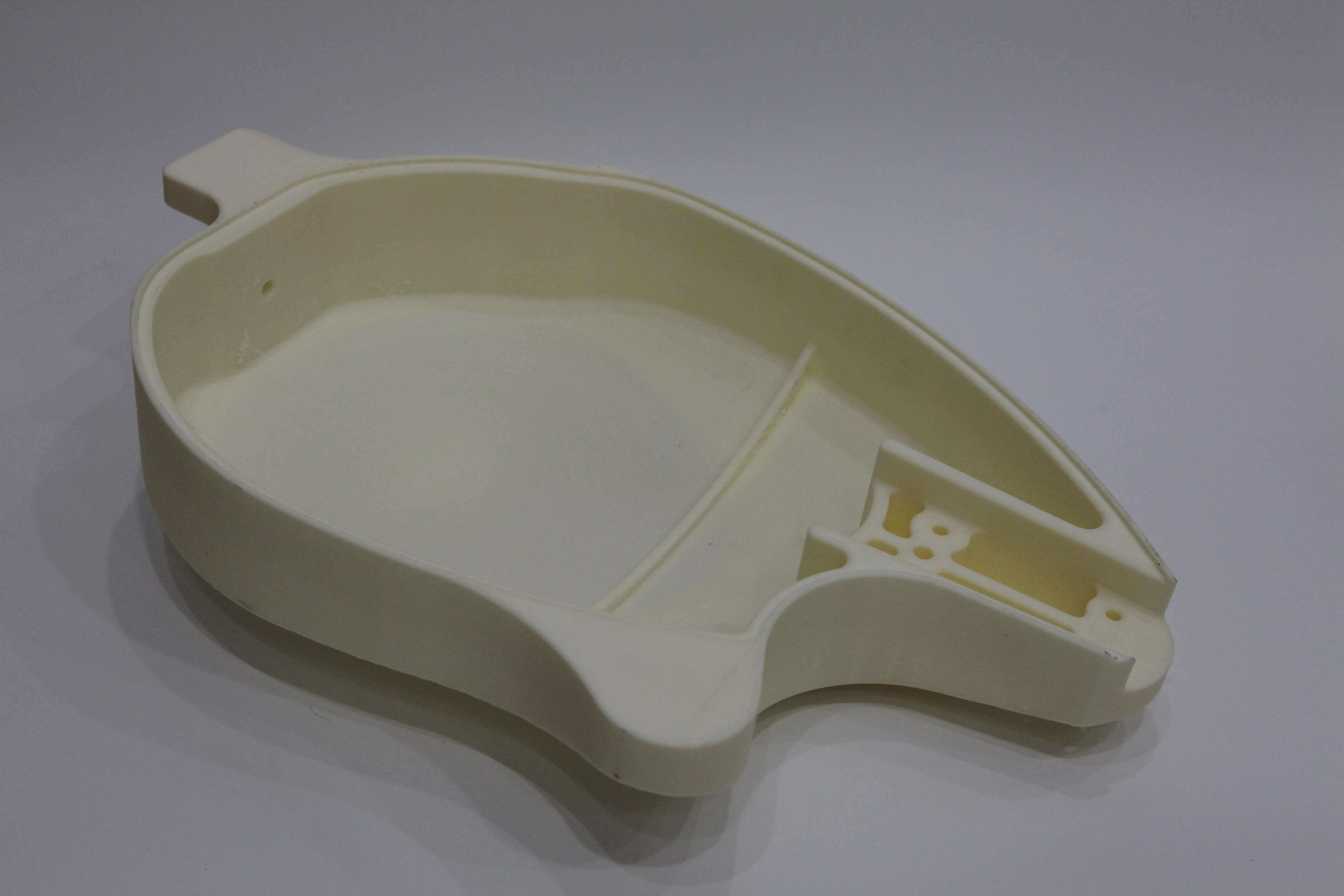
CreatBot Ultra PA Druckvorschau
Vorteile des Drucks mit CreatBot Filamenten
Hochwertige Rohmaterialqualität
Ausgewählte reine Polyamidharze führender Chemieunternehmen garantieren Materialreinheit von der Quelle. Jede Charge wird vor dem Versand hinsichtlich Zugfestigkeit, Schmelzindex und Durchmesstoleranz vollständig geprüft, um stabile und zuverlässige Leistung zu gewährleisten.
Werkskalibriert, druckbereit
Filamentrezeptur, Schmelzfluss und Durchmesstoleranz (±0.03mm) sind für alle CreatBot Modelle kalibriert, mit exklusiven Parametern in der Slicing-Software. Kein wiederholtes Debugging nötig – auspacken und drucken, auch Anfänger erreichen stabile Druckqualität.
Verbesserte Verschleißdauerhaftigkeit
Für hochbelastete Reibungsszenarien optimiert, mit hervorragender Verschleißfestigkeit und Ermüdungsverhalten. Gedruckte Teile behalten unter langfristiger Nutzung in Zahnradgetrieben und Gleitreibungsbedingungen Maßbeständigkeit und mechanische Eigenschaften, geeignet für industrietaugliche verschleißfeste Funktionsbauteile.
Unterstützte 3D-Drucker
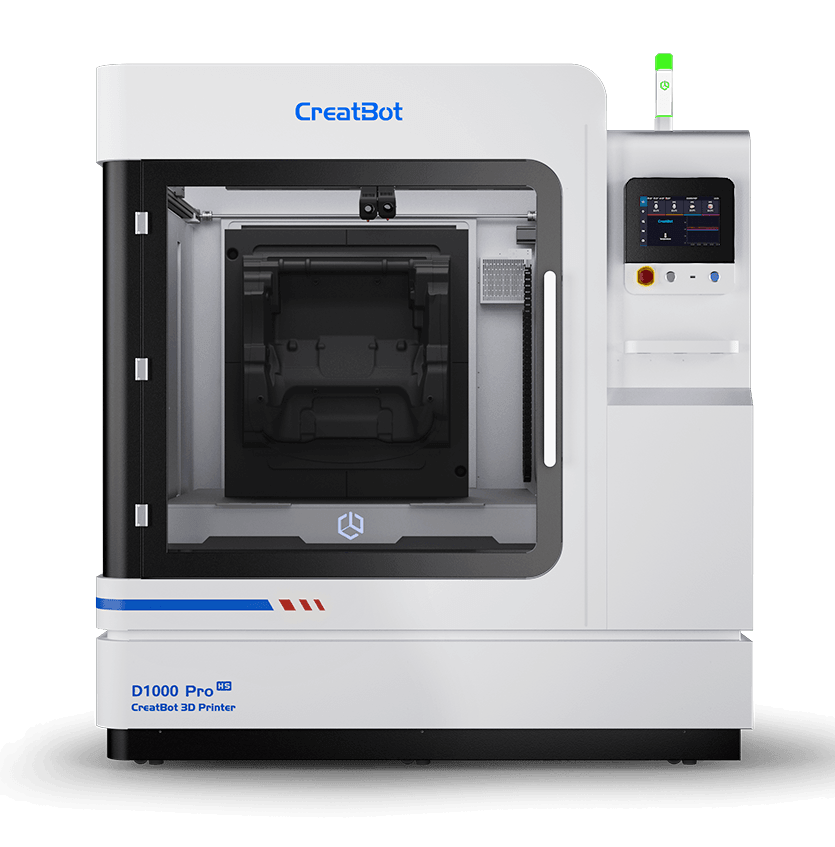
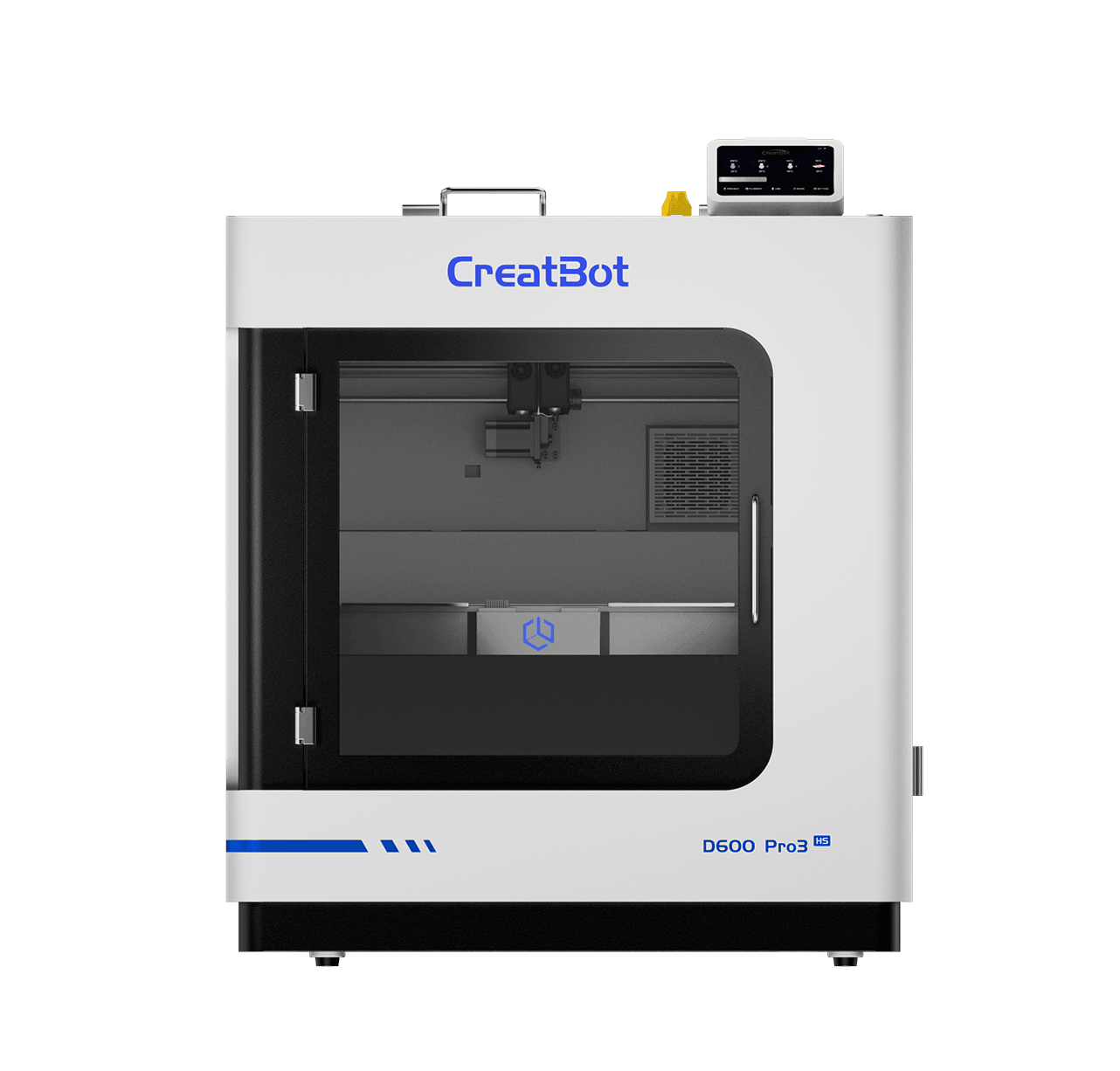
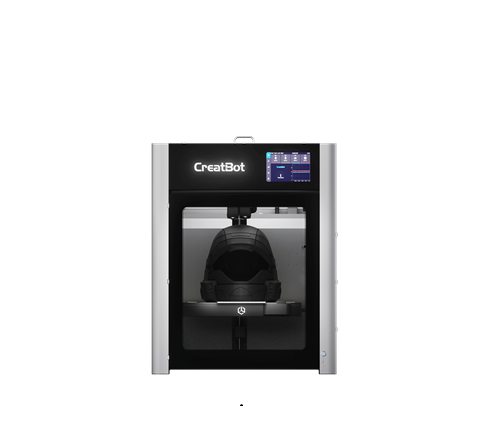
CreatBot Industrie-3D-Drucker sind für Hochleistungsmaterialien konzipiert. Die folgenden Modelle verfügen über beheizte Kammern und Hochtemperaturdüsen für professionelle Ergebnisse.
TECHNISCHES DATENBLATT
| Projekt | Wert |
|---|---|
| Trocknungsbedingungen vor dem Druck | 80-100℃, 6-8 H (Umlufttrockenschrank) |
| Düsentemperatur | 280-300℃ |
| Düsendurchmesser | 0,4 / 0,6 / 0,8 / 1,0 mm |
| Druckbettoberflächenbehandlung | 3D-Druckspray / PVP-Festkleber / Spezialkleber |
| Betttemperatur | 70-80℃ |
| Kammertemperatur | / |
| Kühlventilator | OFF |
| Druckgeschwindigkeit | 30-200 mm/s |
| Physikalische Eigenschaften | Prüfmethode | Wert |
|---|---|---|
| Dichte | ISO1183 | 1.21g/cm³ |
| Sättigungswasseraufnahme | 25℃,55%RH | 2.595% |
| Schmelzindex | 340℃,2.16 kg | 9.4g/10 min |
| Schmelztemperatur | DSC, 10℃/min | 231℃ |
| Vicat-Erweichungstemperatur | ISO 306, GB/T 1633 | / |
| Wärmeformbeständigkeit | ISO 75, 0.45MPa | 79℃ |
| Mechanische Eigenschaften | Prüfmethode | Wert |
|---|---|---|
| Zugfestigkeit XY | ISO 527, GB/T 1040 | 69.2 MPa |
| Zugfestigkeit Z | ISO 527, GB/T 1040 | / |
| Elastizitätsmodul XY | ISO 527, GB/T 1040 | 3329.7 MPa |
| Elastizitätsmodul Z | ISO 527, GB/T 1040 | / |
| Bruchdehnung XY | ISO 527, GB/T 1040 | 9.77% |
| Bruchdehnung Z | ISO 527, GB/T 1040 | / |
| Biegefestigkeit XY | ISO 178, GB/T 9341 | 112.6 MPa |
| Biegefestigkeit Z | ISO 178, GB/T 9341 | / |
| Biegemodul XY | ISO 178, GB/T 9341 | 3202 MPa |
| Biegemodul Z | ISO 178, GB/T 9341 | / |
| Schlagfestigkeit XY | ISO 179, GB/T 1043 | 9.74 kJ/m² |
| Schlagfestigkeit Z | ISO 179, GB/T 1043 | / |
Häufig gestellte Fragen zu Ultra PA Filament
CreatBot Ultra PA verwendet Standard-1.75mm-Filament mit industrieller ±0.03mm-Durchmesstoleranz und ist mit den meisten FDM-3D-Druckern kompatibel, die PA-(Nylon-)Druck unterstützen. Das Gerät benötigt ein beheiztes Druckbett (empfohlen 80-100℃) und ein Extrusionssystem, das stabil 260-290℃ erreicht; ein All-Metal-Hotend wird empfohlen. Da Nylon hygroskopisch ist und eine hohe Schwindrate aufweist, wird eine geschlossene Druckkammer oder Schutzabdeckung empfohlen. Obwohl die Kompatibilität groß ist, empfehlen wir ausdrücklich den Einsatz von CreatBot Ultra PA mit industriellen CreatBot 3D-Druckern, deren beheizte geschlossene Kammer und exklusive Slicing-Parameter die Leistungsvorteile von CreatBot Ultra PA Filament voll ausschöpfen.
CreatBot Ultra PA ist ein hochleistungsfähiges Polyamidmaterial mit optimierter Rezeptur auf Basis von gewöhnlichem PA. Die Unterschiede sind: ① Rohstoffe – verwendet reine hochreine Polyamidharze statt recycelter oder gemischter Materialien, was eine gleichmäßige Molekulargewichtsverteilung und konsistente Leistung gewährleistet; ② Verfahren – Präzisions-Extrusionslinien und laserbasierte Online-Durchmessermesssysteme halten die Toleranz innerhalb von ±0.03mm (gewöhnliches Nylon meist ±0.05mm) und reduzieren Extrusionsungleichmäßigkeiten durch Durchmeterschwankungen; ③ Modifizierung – reduziert die Hygroskopizität und verbessert die Schichtbindung durch Rezepturoptimierung, wodurch gedruckte Teile zäher und weniger verzugsanfällig sind; ④ Qualitätskontrolle – jede Charge wird vor dem Versand auf Schlüsselkennwerte wie Zugfestigkeit, Bruchdehnung und Schmelzflussindex geprüft. Ultra PA eignet sich für Zahnräder, Zahnstangen, Kurven, Schieber, verschleißfeste Buchsen, Schnappverbindungen, funktionale Automobilbauteile, Industrieausrüstungsteile und andere Szenarien, die hohe Festigkeit, hohe Zähigkeit und Verschleißfestigkeit erfordern; für reine Optikteile sind ABS oder PLA kostengünstiger.
Die empfohlene Düsentemperatur für CreatBot Ultra PA beträgt 260-290℃, die Druckbetttemperatur 80-100℃. Konkrete Temperatureinstellungen sollten je nach Modellgröße, Schichthöhe, Druckgeschwindigkeit und Geräteumgebung angepasst werden. Abstimmtipps: ① Erhöhen Sie für die erste Schicht die Düsentemperatur um 5-10℃ und reduzieren Sie die Druckgeschwindigkeit auf 20-30mm/s, um die Haftung der ersten Schicht zu verbessern; ② Stellen Sie für großflächige Modelle die Druckbetttemperatur auf 90-100℃ ein und tragen Sie PVA-Kleber oder speziellen Nylonkleber auf das Bett auf, um die Haftung zu erhöhen; ③ Halten Sie bei geschlossener Kammer oder temperaturgesteuertem Gehäuse die Kammertemperatur auf 40-60℃, um Schichtthermospannungen und Verzugsrisiko deutlich zu reduzieren; ④ Es muss ein All-Metal-Hotend verwendet werden – PTFE-Hotends bauen oberhalb von 260℃ ab und geben schädliche Gase ab; ⑤ Für kleine oder filigrane Modelle senken Sie die Düsentemperatur auf 260-270℃, um die Detailtreue zu verbessern, während große Strukturbauteile bei 275-285℃ empfohlen werden, um die Schichtbindung zu gewährleisten. Es wird empfohlen, vorab einen Temperaturturm zum Kalibrieren zu drucken.
Dank seiner hervorragenden mechanischen Festigkeit, Zähigkeit, Verschleißfestigkeit und Hochtemperaturbeständigkeit wird Ultra PA in zahlreichen Industriebereichen eingesetzt. Typische Anwendungen sind: ① Zahnradgetriebeteile – Stirnräder, Schrägverzahnungen, Zahnstangen, Schnecken usw., die Selbstschmierung und Verschleißfestigkeit für geräuscharmen, langlebigen Antrieb nutzen; ② Verschleißteile – Schieber, Führungen, Käfige, Buchsen, Kurven und andere Teile unter Reibungsbedingungen mit geringer Abnutzung und langer Lebensdauer; ③ Schnappverbindungen und bewegliche Mechanismen – Schnappverbindungen, Scharniere, bewegliche Gelenke und andere Teile mit wiederholtem Einbau und Bewegung, die hervorragende Zähigkeit und Bruchfestigkeit bieten; ④ Funktionale Automobilbauteile – Ansaugkrümmerhalterungen, Kabelbaumclips, Innenraumfunktionsteile, Abdeckungsschnapper und andere nichttragende Teile, öl- und hitzebeständig; ⑤ Industrieausrüstungsteile – Kettenräder, Führungsrollen, Dichtungen, Schutzabdeckungen usw., beständig gegen chemische Korrosion und Hitze; ⑥ Vorrichtungen und Lehren – kundenspezifische Produktionsvorrichtungen, Positionierstifte, Prüflehren usw., die wiederholten Stoß und Verschleiß aushalten.
Nylon (PA) ist ein typisches stark hygroskopisches Material, und Ultra PA bildet da keine Ausnahme. Nach Feuchtigkeitsaufnahme entstehen beim Drucken Blasen, Fäden, raue Oberflächen, verminderte Schichtbindung und deutlich reduzierte mechanische Eigenschaften. Richtige Lagerung: ① Ungeöffnetes Filament sollte an einem kühlen, trockenen Ort gelagert werden (Temperatur 15-25℃, Luftfeuchtigkeit < 20%), vor direkter Sonneneinstrahlung geschützt; ② Geöffnetes Filament muss in Beuteln mit ausreichend Trockenmittel (Silikagel, empfohlene Menge 10-15g/Rolle) verschlossen oder in einer Filament-Trockenbox mit relativer Luftfeuchtigkeit unter 10% gelagert werden; ③ Bei kurzfristigem Nichtgebrauch (mehr als 1 Tag) sollte das Filament sofort aus dem Drucker entfernt und verschlossen werden – Nylon kann in 24 Stunden an der Luft genug Feuchtigkeit aufnehmen, um den Druck zu beeinträchtigen. Bei Feuchtigkeitsanzeichen (deutliche Knackgeräusche beim Drucken, weiße Filamentoberfläche oder schäumiger rauer Extrudat) muss es in einem Umluftofen bei 70-80℃ 6-8 Stunden getrocknet werden (Hinweis: Temperatur sollte 85℃ nicht überschreiten, um Verformung und Anhaften zu vermeiden), dann in trockener Umgebung auf Raumtemperatur abkühlen lassen, bevor es normal verwendet wird. Vor dem Drucken wird die Verwendung einer Fütterungsbox mit Trocknungsfunktion empfohlen.
Obwohl CreatBot Ultra PA theoretisch kleine Teile auf Open-Frame-Druckern drucken kann, empfehlen wir ausdrücklich eine geschlossene oder halbgeschlossene Druckkammer für optimale Ergebnisse. Die Gründe: Nylon hat eine hohe Schwindrate (ca. 1.5-2%) und eine Glasübergangstemperatur von etwa 70℃. Während des Druckens summiert sich die Wärmeschwindspannung aus jeder Schicht. Bei stark schwankender Umgebungstemperatur (z. B. Open-Frame-Drucker durch Klimaanlage und Luftstrom beeinflusst) kann die Schichtthermospannung zu Randverzug, Rissen oder sogar Abheben vom Druckbett führen, besonders bei großen Modellen. Eine geschlossene Kammer kann die Umgebungstemperatur auf 40-60℃ stabilisieren, die Wärmeschwindspannung deutlich reduzieren und die Druckerfolgsrate für große Modelle erheblich verbessern. Für industriellen Großformatdruck (z. B. CreatBot D600 Pro3 HS-Serie) ist eine beheizte Konstanttemperaturkammer eine Schlüsselbedingung für die Druckqualität. Falls nur ein Open-Frame-Drucker verfügbar ist, wird empfohlen, das Verzugsrisiko durch Acrylglas-Schutzabdeckungen um den Drucker, PVA-Kleber oder PEI-Federstahlplatten zur Haftungsverbesserung, erhöhte Brim-Breite und Vermeidung direkter Klimaanlagenströmung zu reduzieren.
Weitere Materialien
Kontaktieren Sie uns


Nachricht
Anwendungsbereiche
Schnellzugriff
