
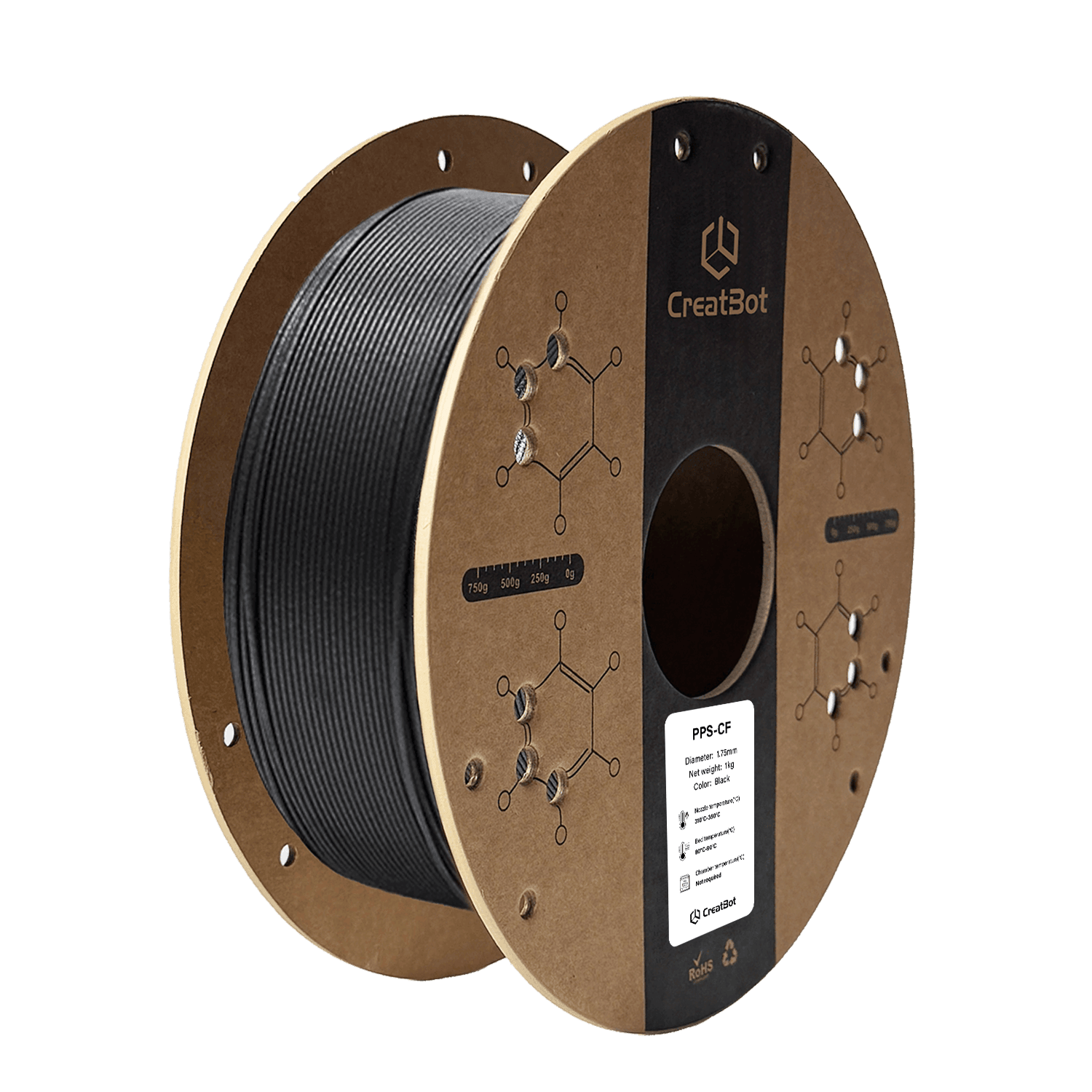
PPS-CF

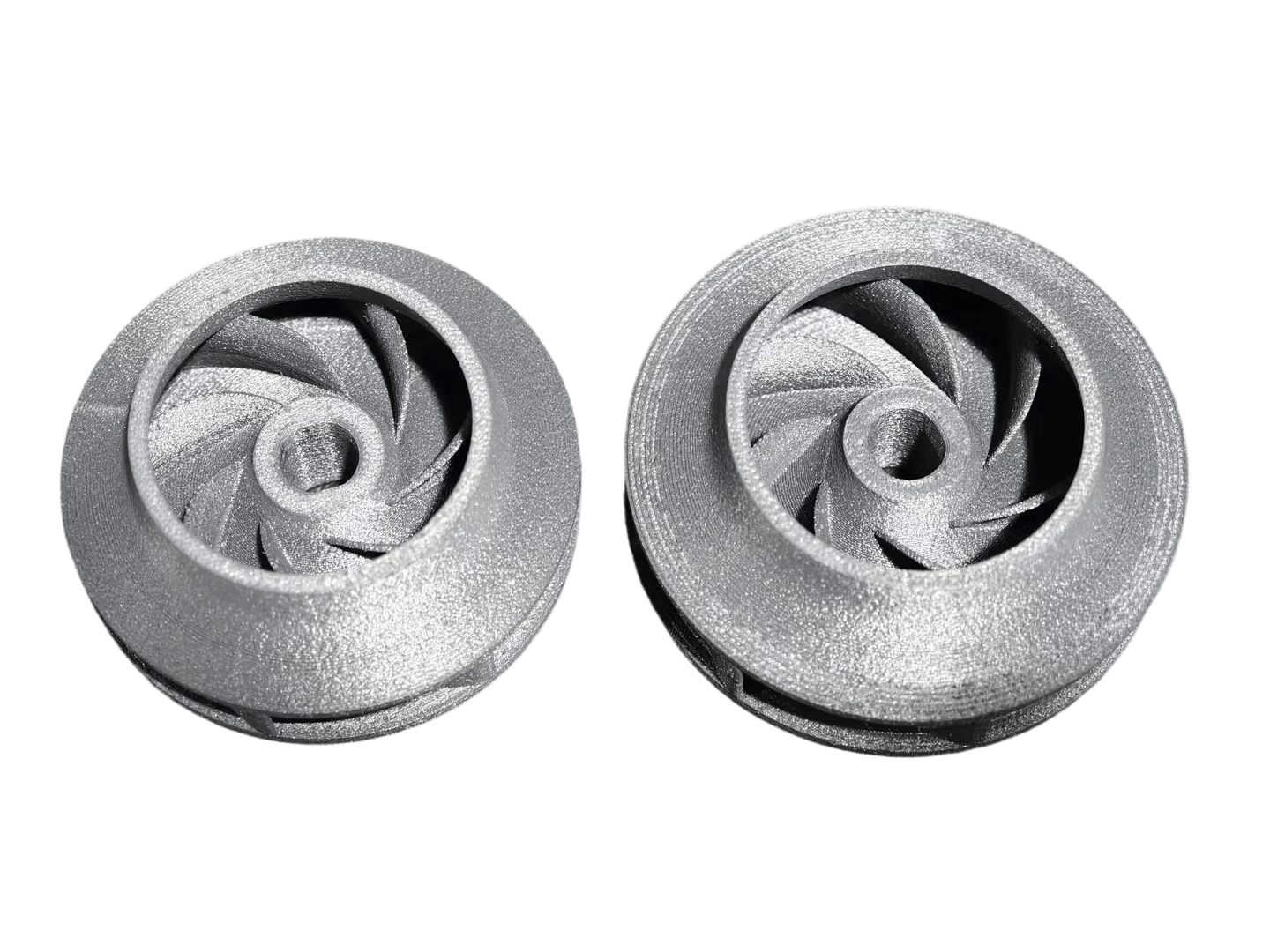
Aerospace

Automotive Industry

Chemical Equipment

Electrical & Electronics
Filament Features



Print Preview
Print Advantages
High Strength & Rigidity
The addition of carbon fibers significantly improves mechanical properties, with tensile modulus reaching 8347MPa and flexural modulus 7402MPa, over 50% higher rigidity than standard PPS materials, capable of replacing metal parts in high-load applications while maintaining lightweight advantages.
Superior Heat Resistance
Heat Deflection Temperature of 264℃, capable of long-term stable operation below 200℃, suitable for aerospace, under-hood automotive and high-temperature industrial equipment applications, with heat resistance far exceeding standard engineering plastics.
Excellent Chemical Resistance
PPS base material has excellent chemical corrosion resistance, carbon fiber reinforced material still maintains excellent chemical stability, can withstand most organic solvents, acids and alkalis, suitable for chemical equipment and electronic components in harsh environments.
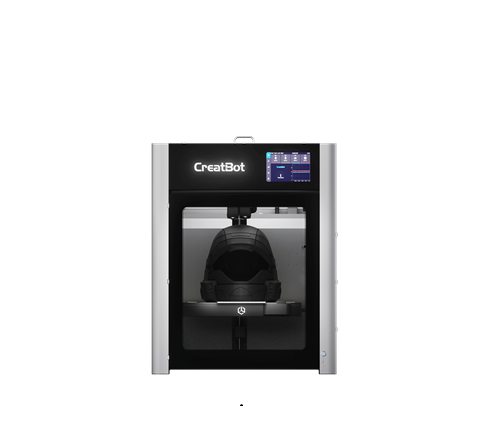
Supported 3D Printers
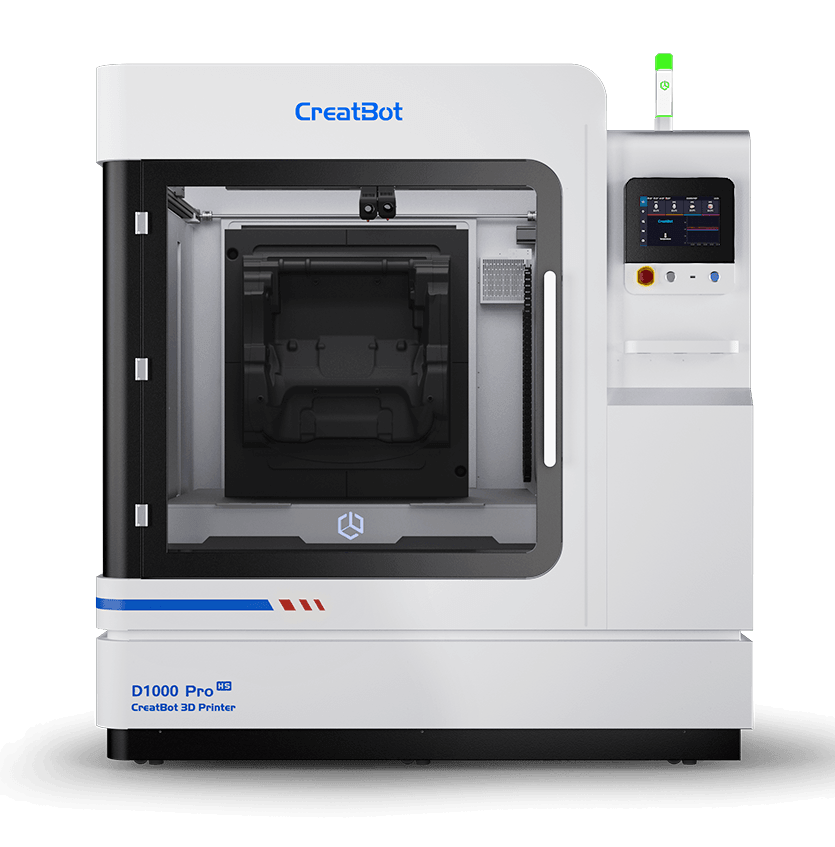
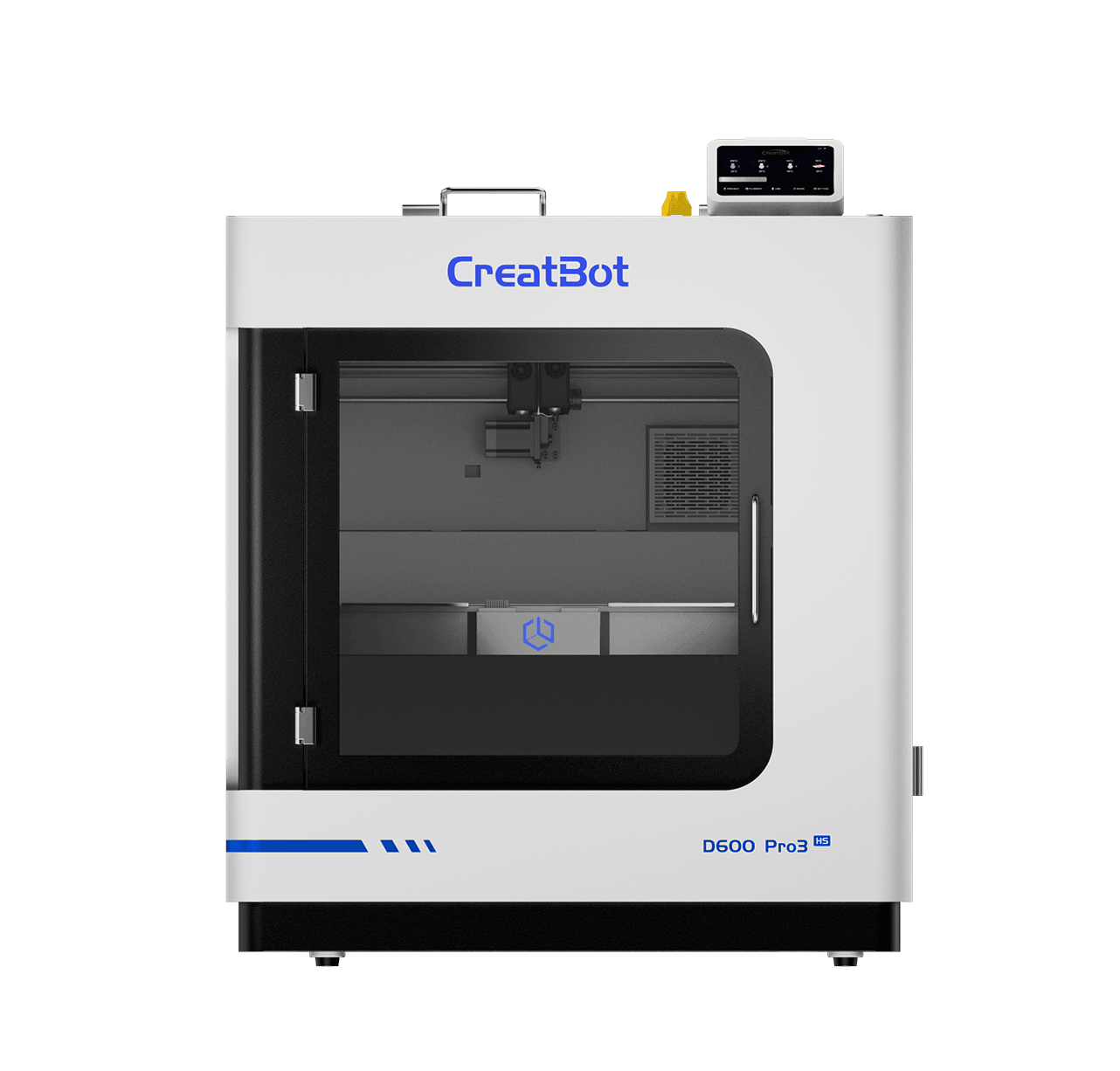
CreatBot industrial 3D printers are designed for high-performance materials. The following models feature heated chambers and high-temperature nozzles for professional-grade results.
Technical Data Sheet
| Physical Properties | Test Method | Typical Value |
|---|---|---|
| Density | ISO1183-3 | 1.26g/cm³ |
| Water Absorption | 25℃,55%RH | 0.05% |
| Melt Flow Index | 340℃,2.16 kg | 20.6g/10 min |
| Melting Temperature | DSC, 10℃/ min | 284℃ |
| Thermal Properties | Test Method | Typical Value |
|---|---|---|
| Vicat Softening Temperature | ISO 306,GB/T 1633 | 268℃ |
| Heat Deflection Temperature (at 0.45MPa) | ISO 75, 0.45MPa | 264℃ |
| Mechanical Properties | Test Method | Typical Value |
|---|---|---|
| Tensile Strength XY | ISO 527, GB/T 1040 | 93 MPa |
| Tensile Strength Z | ISO 527, GB/T 1040 | 46 MPa |
| Tensile Modulus XY | ISO 527, GB/T 1040 | 8347 MPa |
| Tensile Modulus Z | ISO 527, GB/T 1040 | 3026 MPa |
| Elongation at Break XY | ISO 527, GB/T 1040 | 1.8% |
| Elongation at Break Z | ISO 527, GB/T 1040 | 0.7% |
| Flexural Strength XY | ISO 178, GB/T 9341 | 137 MPa |
| Flexural Strength Z | ISO 178, GB/T 9341 | 62 MPa |
| Flexural Modulus XY | ISO 178, GB/T 9341 | 7402 MPa |
| Flexural Modulus Z | ISO 178, GB/T 9341 | 2885 MPa |
| Impact Strength XY | ISO 179, GB/T 1043 | 22.3 kJ/m² |
| Impact Strength Z | ISO 179, GB/T 1043 | 8.8 kJ/m² |
| Print Parameters | |
|---|---|
| Drying Conditions | 100-140℃,6-8 H |
| Nozzle Temperature | 330-350℃ |
| Nozzle Diameter | 0.4 / 0.6 / 0.8 / 1.0 mm |
| Bed Surface Treatment | 3D Printing Spray / PVP Glue Stick / Specialized Adhesive |
| Bed Temperature | 100-120℃ |
| Chamber Temperature | 60-80℃ |
| Cooling Fan | 0-40% |
| Print Speed | < 300mm/s |
FAQ
PPS-CF is a carbon fiber reinforced polyphenylene sulfide high-performance engineering material with the following advantages: 1) Heat resistance: HDT 264℃, Vicat softening temperature 268℃, can work long-term below 200℃; 2) Mechanical properties: Tensile strength 93MPa, tensile modulus 8347MPa, flexural strength 137MPa; 3) Chemical stability: Saturated water absorption only 0.05%, excellent resistance to most organic solvents, acids and alkalis; 4) Print temperature: Nozzle temperature 330-350℃, easier to print than PEEK (360-400℃); 5) Cost-effectiveness: Higher cost performance than PEEK materials. Suitable for high-temperature and high-corrosion environments in aerospace, automotive, electronics and chemical industries.
PPS-CF printing requires strict control of the following parameters for optimal results: 1) Drying: Thorough drying before printing, 100-140℃ for 6-8 hours, using forced air drying oven, to remove moisture and avoid bubbles and strength loss; 2) Nozzle temperature: 330-350℃, recommended around 340℃, too low causes poor interlayer adhesion, too high causes carbonization; 3) Bed temperature: 100-120℃, ensures first layer adhesion and reduces warping; 4) Chamber temperature: 60-80℃, reduces thermal stress; 5) Nozzle selection: Must use hardened steel, ruby or tungsten carbide nozzle, standard brass nozzles will be quickly worn by carbon fibers; 6) Print speed: <300mm/s, recommended 60-120mm/s to ensure interlayer bonding; 7) Cooling fan: 0-40%, low-speed cooling to avoid rapid cooling causing interlayer separation.
PPS-CF is compatible with all CreatBot high-temperature industrial 3D printers, recommended models include: 1) D400 HS: Full constant temperature chamber, nozzle up to 320℃, chamber can be set to 60-80℃, best for printing high-temperature high-performance parts like PPS-CF; 2) D600 Pro3 HS: Large format printing, constant temperature chamber, suitable for large industrial parts. Prerequisites for using PPS-CF: Nozzle temperature must reach above 330℃, have constant temperature chamber (to reduce warping), high-temperature bed function. Note: Printing PPS-CF requires the printer to have sufficiently high temperature control capability, desktop printers are not recommended.
PPS-CF has a saturated water absorption of only 0.05%, which is one of the lowest water absorption rates among all 3D printing materials. Proper storage methods: 1) Unopened material: Store directly in a dry, cool place, avoid direct sunlight; 2) Opened material: Use sealed bags or dry boxes for storage, desiccant recommended; 3) Pre-printing treatment: Although the water absorption rate is low, drying at 100-140℃ for 6-8 hours before printing is still recommended to fully ensure best print quality; 4) Printed parts: PPS-CF has low water absorption and generally does not require special sealed storage, but protection in high-humidity environments for long-term exposure is still recommended.
PPS-CF is suitable for printing various industrial-grade parts, typical applications include: 1) Aerospace parts: Aircraft interior parts, sensor brackets, duct joints and other high-temperature parts; 2) Automotive parts: Under-hood components, exhaust system parts, electrical housings, etc.; 3) Chemical equipment: Valves, pump bodies, pipe connectors and other corrosion-resistant parts; 4) Electrical and electronics: Electrical junction boxes, insulation brackets, connectors, etc. (PPS-CF has excellent electrical insulation); 5) Metal replacement: In high-temperature and corrosive environments, can replace stainless steel, titanium alloy and other metal parts for weight reduction. Especially suitable for applications requiring high temperature resistance, corrosion resistance, dimensional stability and lightweight.
PPS-CF has excellent heat resistance: 1) Heat Deflection Temperature (HDT): 264℃ (tested at 0.45MPa), can operate stably below 200℃ for long periods; 2) Vicat softening temperature: 268℃, one of the highest among all engineering plastics; 3) Melting temperature: 284℃, can be processed using traditional melt processing methods; 4) Compared to standard PPS: Carbon fiber reinforcement further improves heat resistance; 5) Compared to PEEK: PPS-CF heat resistance is slightly lower than PEEK (PEEK HDT ~310℃), but with lower cost and easier printing; 6) Applications: Suitable for aerospace, under-hood automotive, high-temperature chemical equipment and electrical components in high-temperature environments.
Yes, PPS-CF must use special nozzles, for the following reasons: Carbon fiber has extremely high hardness (Mohs hardness ~7-8), which will quickly wear standard brass nozzles (Mohs hardness ~3), causing nozzle orifice enlargement and precision loss. Recommended nozzle types: 1) Hardened steel nozzle: Good value for money, wear resistance is 5-10 times that of brass, suitable for most applications; 2) Ruby nozzle: Excellent wear resistance, precision does not decrease over long-term use, suitable for high-precision requirements; 3) Tungsten carbide nozzle: Ultra-high wear resistance, longest service life, but higher price. Standard brass nozzles are not recommended, as they will show significant wear after just a few hours of printing.
PPS-CF printed parts can undergo the following post-processing: 1) Remove support structures: Use diagonal pliers or utility knife to remove supports, note that carbon fiber is relatively brittle, avoid excessive bending; 2) Surface treatment: Use sandpaper for sanding (120-400 grit recommended), carbon fibers make sanding more difficult, coarse sanding tools recommended; 3) Annealing: Heat the part to 200-220℃, hold for 2-4 hours, cool with the furnace, can eliminate internal stress, improve dimensional stability and mechanical properties; 4) Surface coating: Can spray anti-corrosion paint, insulation paint or special coatings to improve appearance and weather resistance; 5) Dyeing: Carbon fiber is black and difficult to dye, but specialized dyes can be used for surface treatment; 6) Mechanical processing: Turning, milling, drilling and other processing are possible, use carbide tools, note to wear protective masks to avoid inhaling carbon fiber dust.
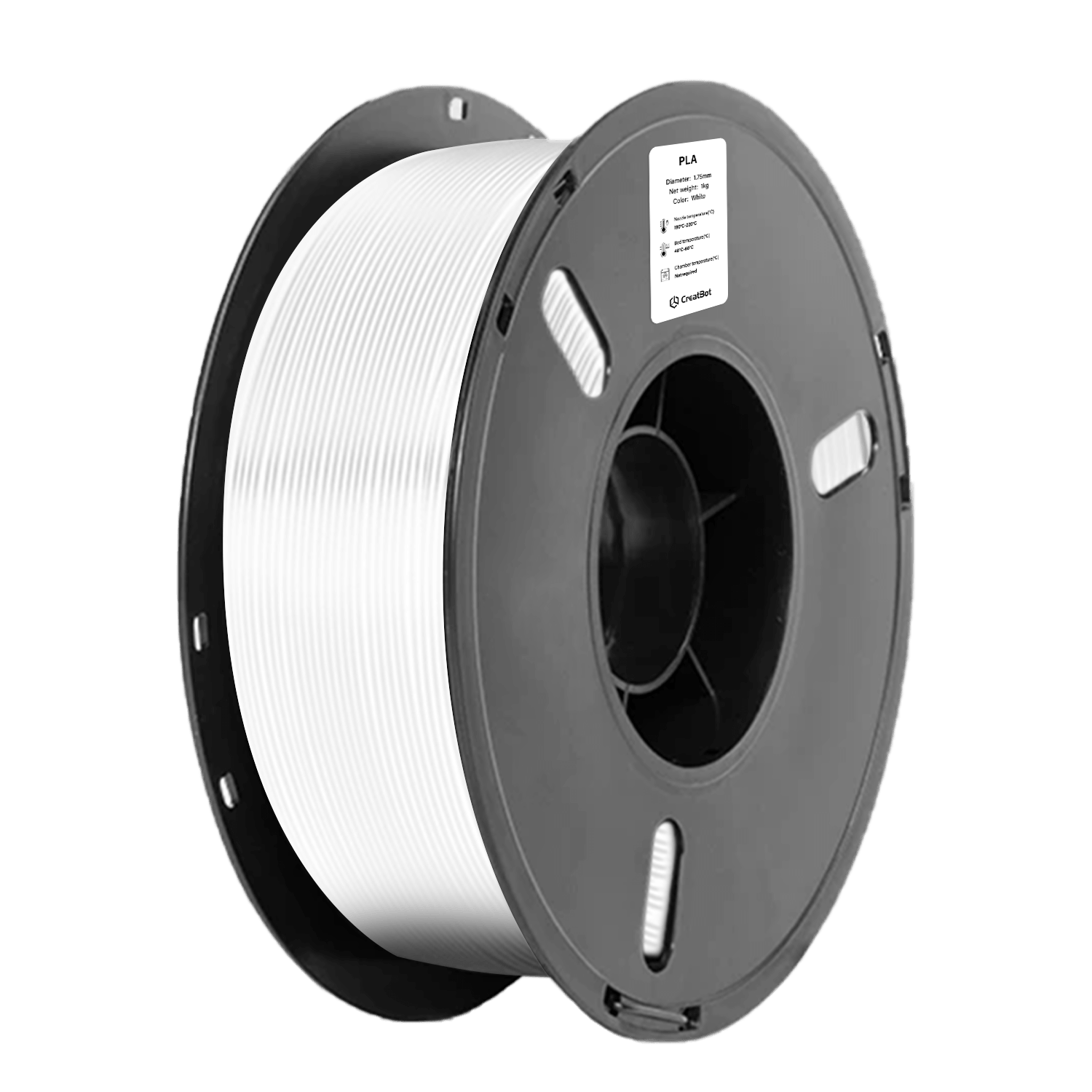
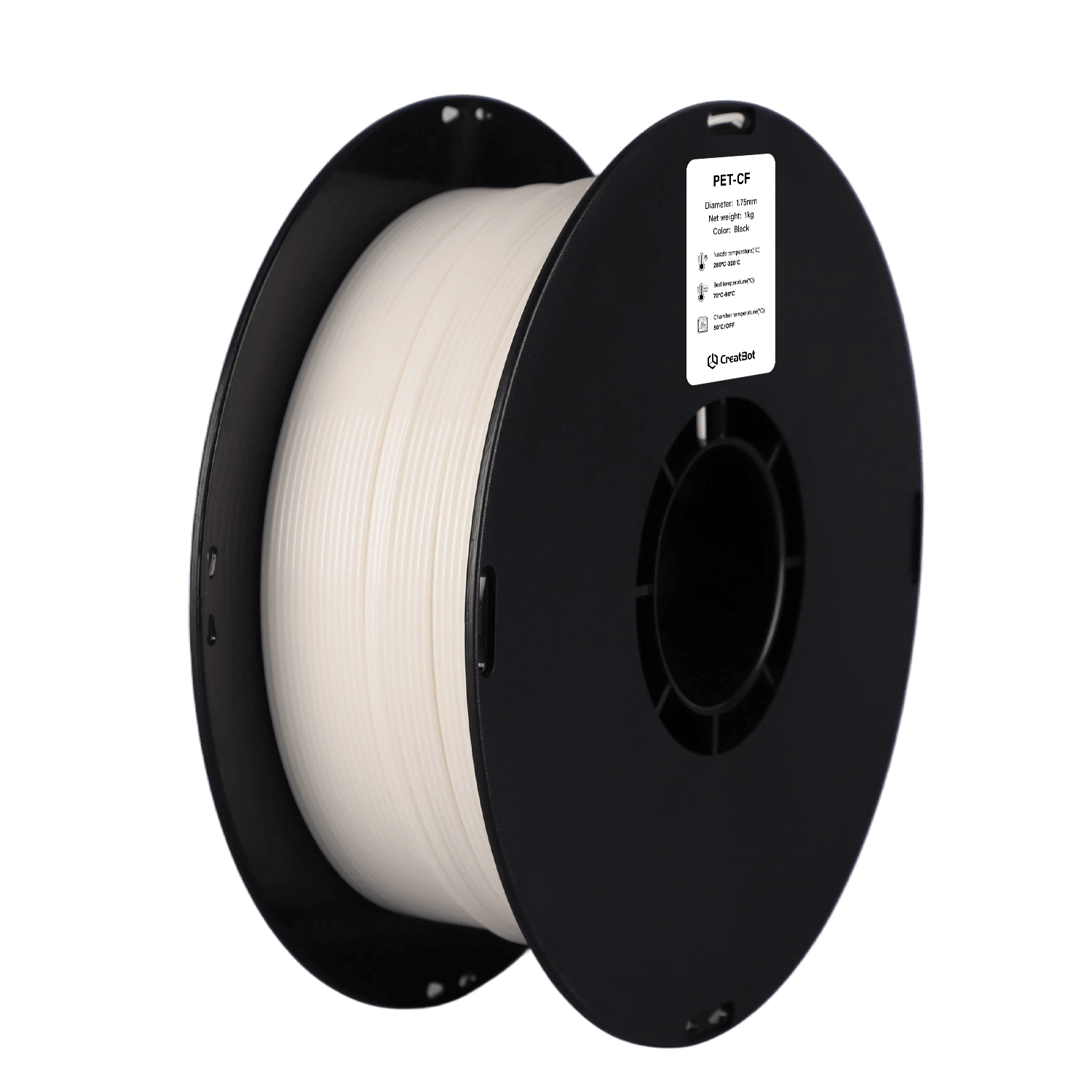
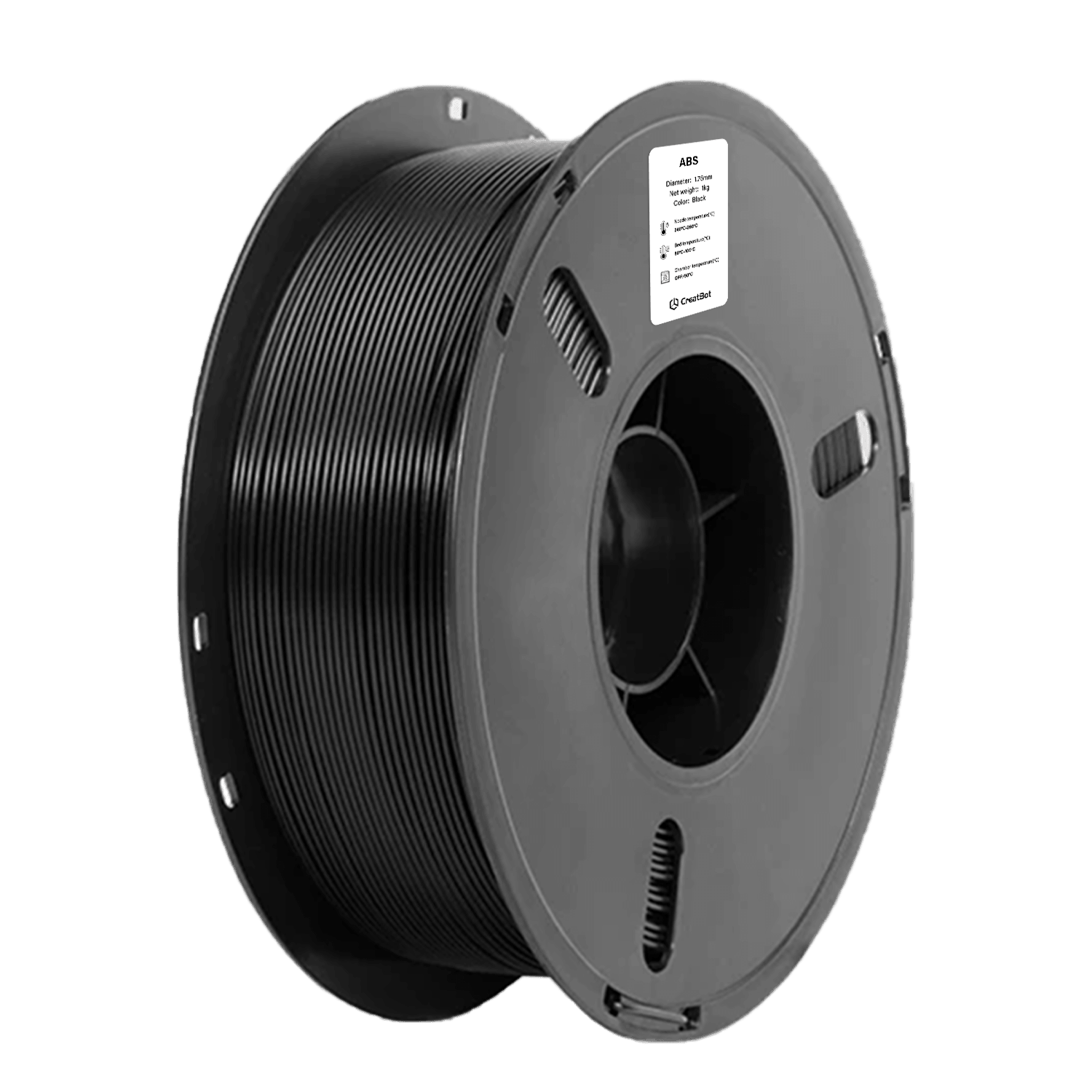
More Materials
Contact Us


Message
Application Fields
Quick Links
