
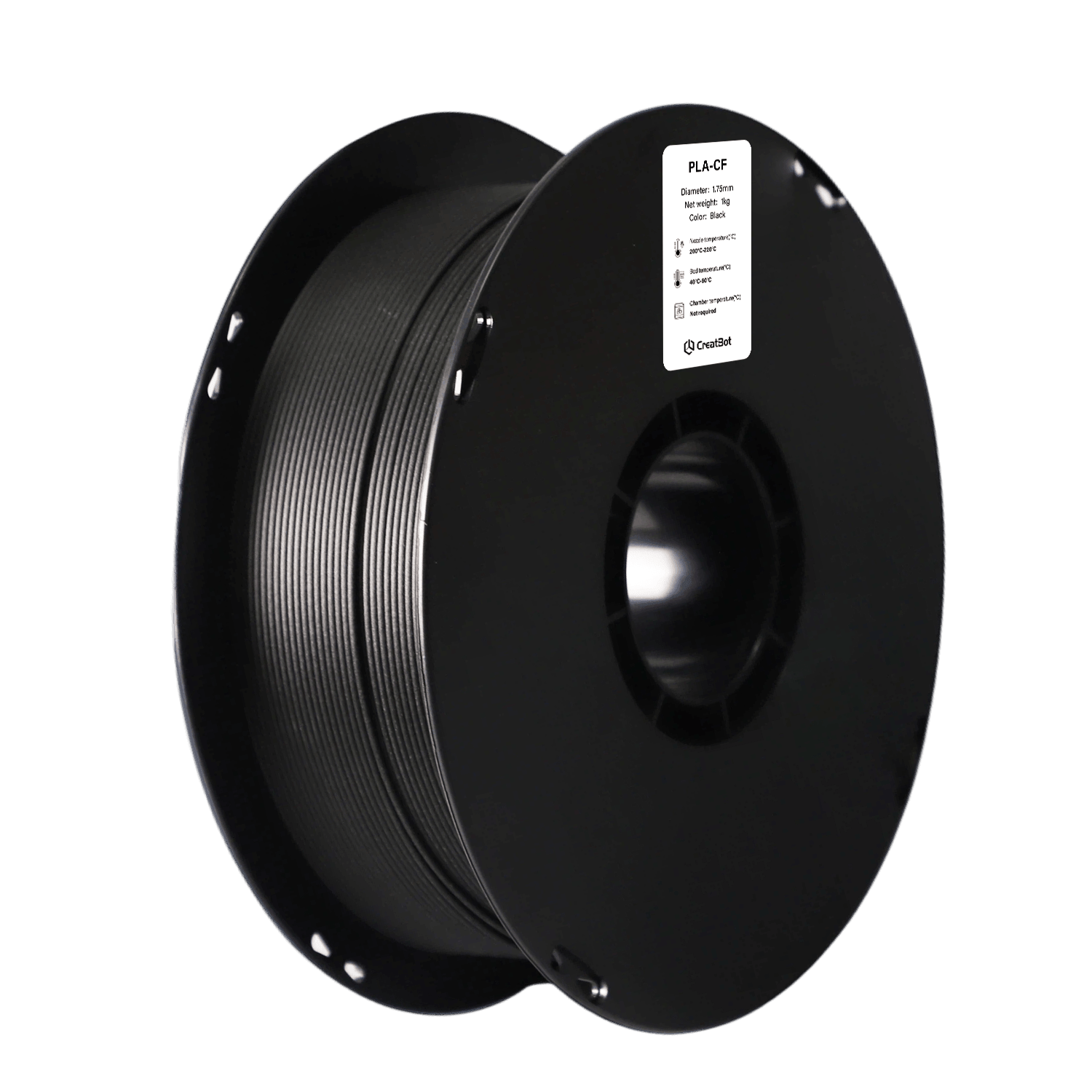
PLA-CF

Structural Parts

Automotive Components

Industrial Equipment

Tooling Fixtures
PLA-CF 3D Printing Filament Features



CreatBot PLA-CF Print Preview
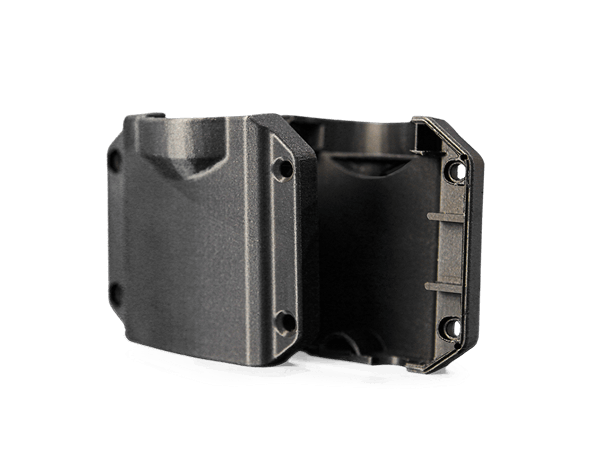
Advantages of Printing with CreatBot Filaments
High Strength & Rigidity
Carbon fiber reinforcement significantly improves the tensile strength and flexural modulus of PLA-CF, making it suitable for load-bearing structural and mechanical parts.
Excellent Dimensional Stability
Carbon fiber effectively reduces material shrinkage and warping, preventing deformation of large models and ensuring assembly accuracy.
Good Heat Resistance
Compared to standard PLA, PLA-CF has a higher heat deflection temperature, maintaining stable performance in higher temperature environments.
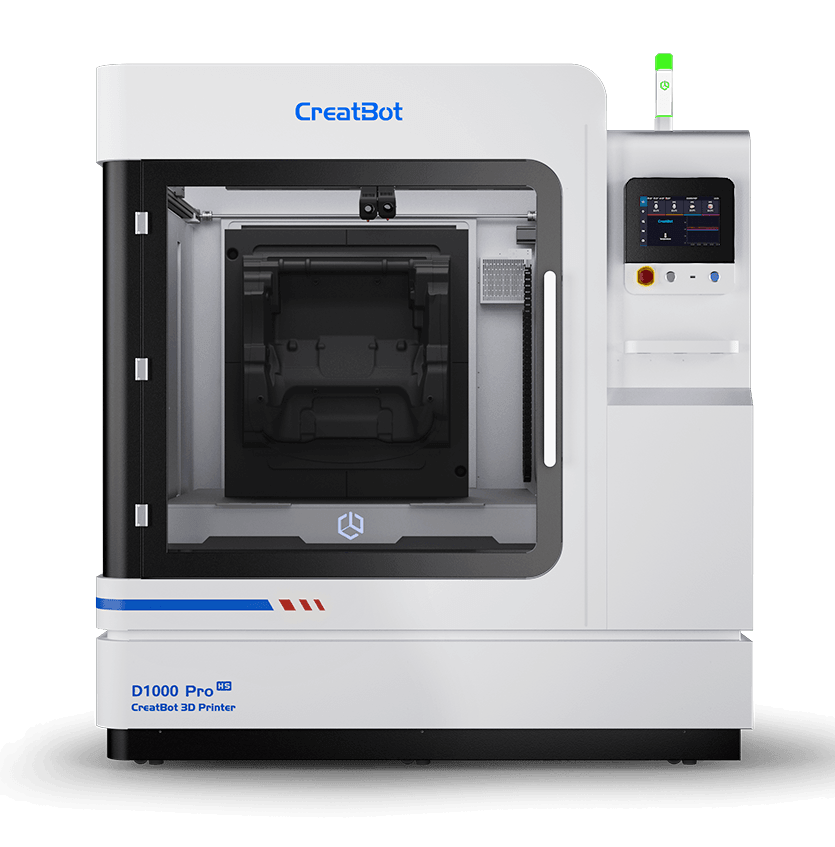
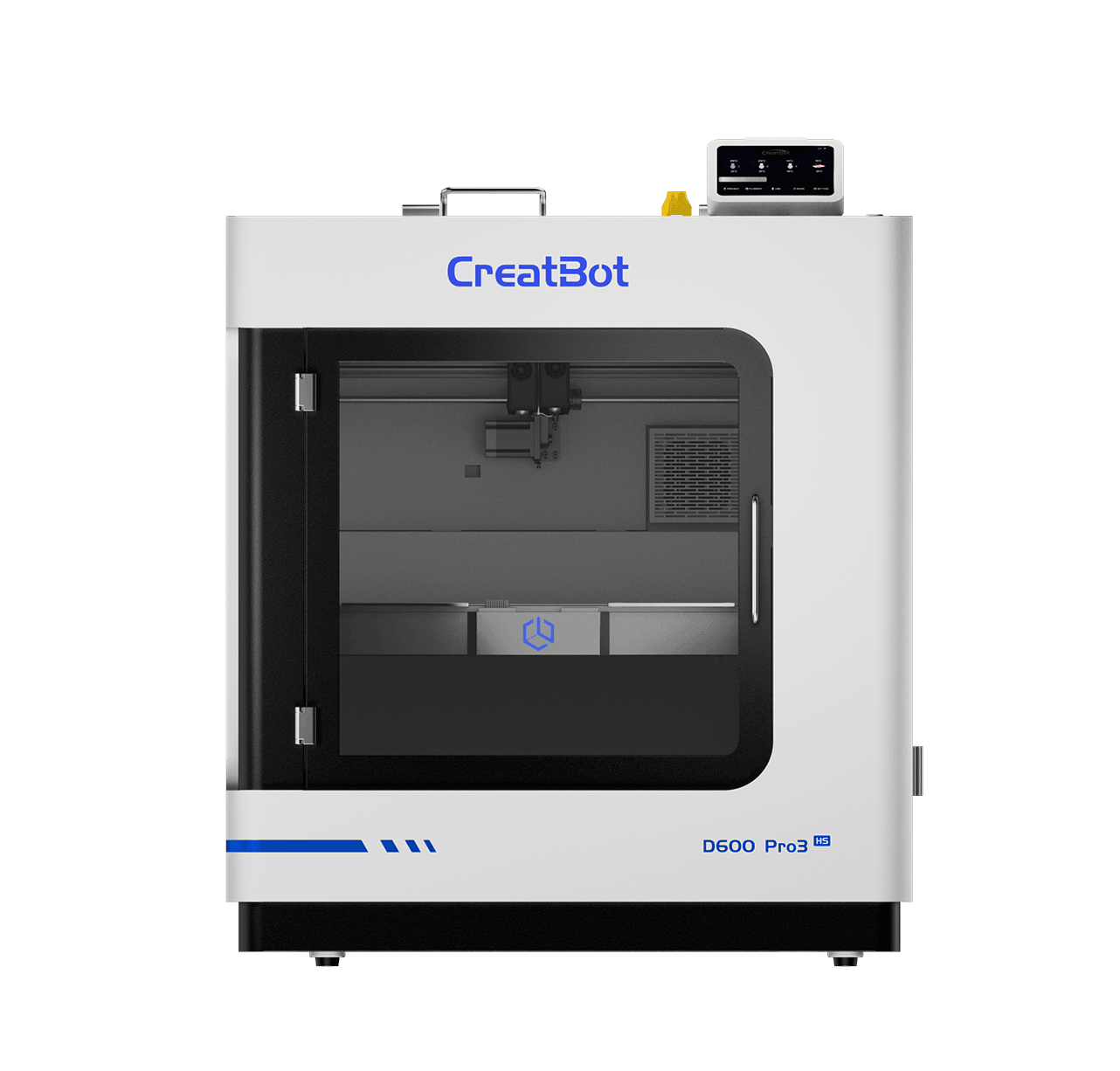
Supported 3D Printers
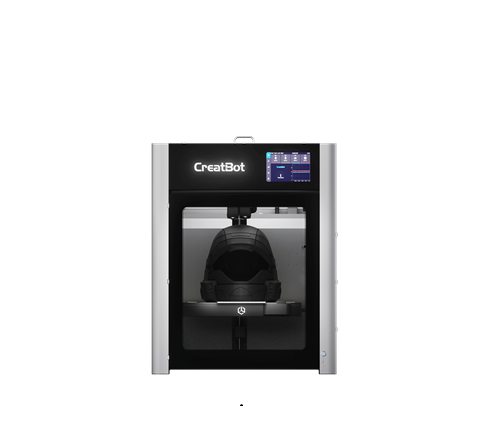
CreatBot industrial 3D printers are designed for high-performance materials. The following models feature heated chambers and high-temperature nozzles for professional-grade results.
Technical Data Sheet
| Physical Properties | Test Method | Data |
|---|---|---|
| Density | ISO1183 | 1.24g/cm³ |
| Saturation Water Absorption | 25℃,55%RH | 0.41% |
| Melt Flow Index | 270℃,2.16 kg | 23.5g/10 min |
| Melting Temperature | IOS 11357 | 160℃ |
| Vicat Softening Temperature | ISO 306,GB/T 1633 | 57℃ |
| Heat Deflection Temperature | ISO 75,0.45MPa | 57℃ |
| Mechanical Properties | Test Method | Data |
|---|---|---|
| Tensile Strength XY | ISO 527, GB/T 1040 | 41 MPa |
| Tensile Strength Z | ISO 527, GB/T 1040 | 34 MPa |
| Young's Modulus XY | ISO 527, GB/T 1040 | 2800 MPa |
| Young's Modulus Z | ISO 527, GB/T 1040 | 2200 MPa |
| Elongation at Break XY | ISO 527, GB/T 1040 | 12.3% |
| Elongation at Break Z | ISO 527, GB/T 1040 | 7.6% |
| Flexural Strength XY | ISO 178, GB/T 9341 | 82 MPa |
| Flexural Strength Z | ISO 178, GB/T 9341 | 62 MPa |
| Flexural Modulus XY | ISO 178, GB/T 9341 | 3000 MPa |
| Flexural Modulus Z | ISO 178, GB/T 9341 | 2600 MPa |
| Impact Strength XY | ISO 179, GB/T 1043 | 30.1 kJ/m² |
| Impact Strength Z | ISO 179, GB/T 1043 | 16.1 kJ/m² |
| Recommended Print Parameters | |
|---|---|
| Drying Conditions Before Printing | 40-50℃,6-8 H (air blast drying oven) |
| Nozzle Temperature | 190-230℃ |
| Nozzle Diameter | 0.2 / 0.4 / 0.6 / 0.8 / 1.0 mm |
| Print Bed Surface Treatment | 3D Printing Spray / PVP Glue Stick / Specialized Adhesive |
| Print Bed Temperature | 45-65℃ |
| Chamber Temperature | OFF |
| Cooling Fan | ON |
| Print Speed | < 300 mm/s |
PLA-CF Filament FAQ
PLA-CF (Carbon Fiber Reinforced PLA) offers significant improvements over standard PLA: 1) Rigidity increased by over 150%, Young's modulus from ~1500MPa to 2800MPa; 2) Strength increased by ~80%, tensile strength from ~35MPa to 41MPa; 3) Heat resistance significantly improved, Vicat softening temperature increased by ~100%; 4) Better dimensional stability with lower shrinkage and warping, suitable for structural parts and tooling fixtures.
Key parameters for PLA-CF printing: 1) Drying: 40-50°C for 6-8 hours before printing to prevent clogging and bubbles; 2) Nozzle temperature: 190-230°C depending on printer and speed; 3) Print speed: recommended <300mm/s to maintain extrusion stability; 4) Bed temperature: 45-65°C with spray adhesive or PVP glue stick; 5) Nozzle selection: hardened steel or wear-resistant nozzle recommended as carbon fiber accelerates brass nozzle wear; 6) Retraction: reduce speed and distance to minimize clogging risk.
PLA-CF is ideal for parts requiring high rigidity and strength: 1) Structural parts: brackets, enclosures, connectors, robotic arm components; 2) Automotive components: interior parts, mounting brackets, trim pieces; 3) Industrial equipment: tooling fixtures, locating jigs, inspection fixtures; 4) Drones and robots: frames, arms, mounting plates; 5) Consumer goods: phone stands, tool handles, sports equipment accessories. Not suitable for parts requiring high toughness or long-term moisture resistance.
PLA-CF has a saturation water absorption rate of about 0.41% (25°C, 55%RH). Storage recommendations: 1) Unopened: store in a dry, cool place away from direct sunlight; 2) Opened: keep in sealed bags or dry boxes with desiccant; 3) Before printing: dry at 40-50°C for 6-8 hours to fully remove moisture and prevent bubbles, clogging, and surface quality issues.
PLA-CF post-processing methods: 1) Support removal with diagonal cutters or craft knives, being careful as carbon fiber reinforced material is relatively brittle; 2) Surface finishing with sandpaper (120-600 grit) to remove layer lines, creating a matte carbon fiber texture; 3) Bonding with cyanoacrylate glue or PLA-specific adhesive; 4) Painting is possible after surface cleaning; 5) Annealing is not recommended as the PLA matrix deforms at high temperatures.
Different carbon fiber composites suit different scenarios: 1) PLA-CF: easiest to print, excellent rigidity and strength for prototypes, structural parts, and fixtures, but moderate heat and moisture resistance; 2) PA-CF (nylon carbon fiber): better toughness, impact resistance, wear resistance, and moisture resistance for functional and mechanical parts, but harder to print; 3) PET-CF: better heat and chemical resistance than PLA-CF for parts requiring temperature and solvent resistance. Selection advice: choose PLA-CF for printability and rigidity; PA-CF for toughness and durability; PET-CF for heat and chemical resistance.
More Materials
Contact Us


Message
Application Fields
Quick Links
