

How to Choose the Right FDM 3D Printing Filament?
FDM (Fused Deposition Modeling) 3D printing supports a wide range of thermoplastic materials, from easy-to-print standard filaments to high-performance engineering materials that meet the demands of aerospace, automotive manufacturing, and industrial production. Each material offers different mechanical properties, heat resistance, chemical stability, and application scenarios.
Choosing the right 3D printing filament directly affects the printed part's: strength, stiffness, dimensional accuracy, heat resistance, chemical resistance, and service life.
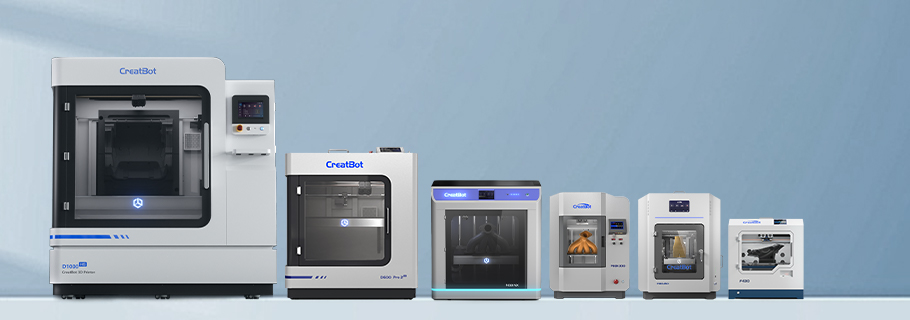
CreatBot specializes in industrial-grade large-format FDM 3D printing solutions, supporting materials ranging from basic filaments such as PLA and PETG to high-performance engineering plastics such as PEEK, PEI, and carbon fiber-reinforced composites, helping users complete the entire process from rapid prototyping to final functional part manufacturing.
This guide will help you understand the characteristics of different FDM filaments and choose the material that best suits your application needs.
FDM 3D Printing Filament Categories
Standard Filaments
Standard filaments are mainly used for rapid prototyping, concept validation, and general functional model printing.
These materials typically offer good print stability, excellent surface quality, and a low printing threshold.
PLA
Polylactic Acid
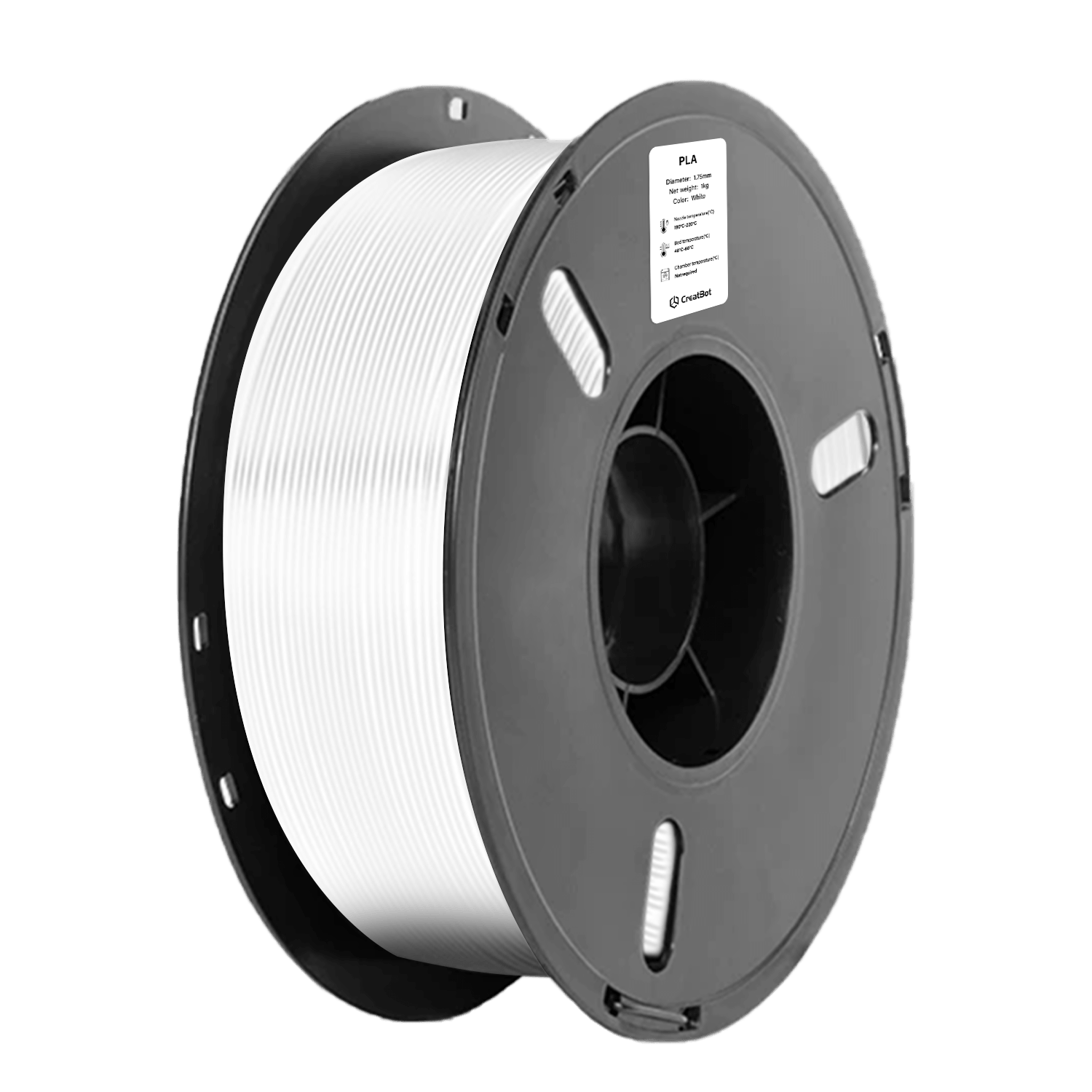
PLA is one of the most widely used FDM 3D printing materials today.
Due to its ease of printing, low shrinkage, high dimensional accuracy, and excellent surface finish, it is well suited for rapid prototyping and display models.
Key Features
Easy to print
Low shrinkage
Excellent surface quality
Good dimensional stability
Eco-friendly material
Typical Applications
Product concept models
Appearance validation models
Industrial design prototypes
Educational models
Rapid prototypes
Considerations
PLA has limited heat resistance and mechanical strength, making it unsuitable for industrial applications that must withstand high temperatures or heavy mechanical loads for extended periods.
PLA-CF
Carbon Fiber Reinforced PLA
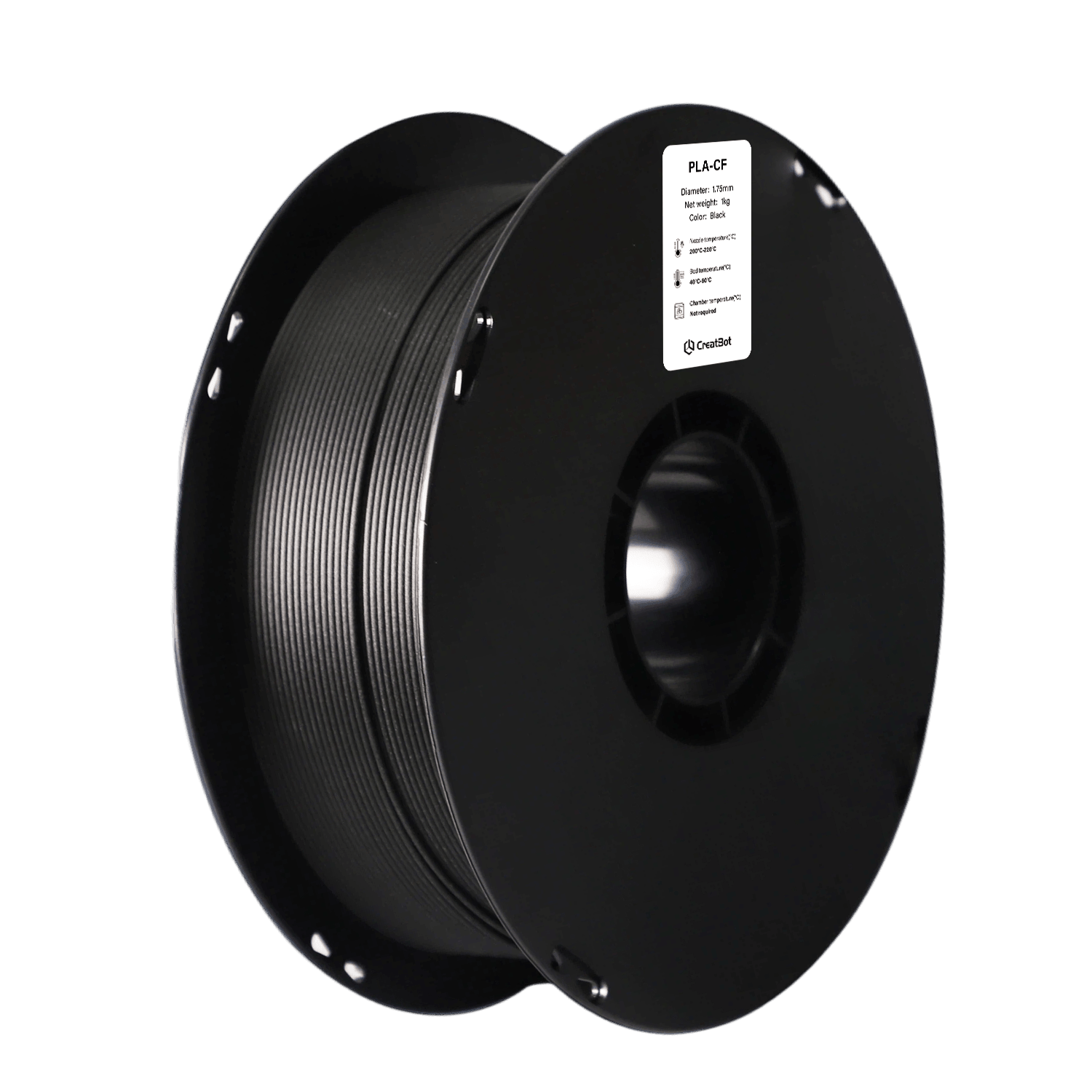
PLA-CF adds carbon fiber reinforcement to PLA, improving material stiffness, dimensional stability, and surface texture.
Compared with standard PLA, PLA-CF printed parts have a more pronounced industrial aesthetic.
Key Features
Higher stiffness
Better dimensional stability
Lower deformation
Matte carbon fiber appearance
Typical Applications
Functional prototypes
Lightweight structural parts
Product validation models
Considerations
Carbon fiber is abrasive; a wear-resistant nozzle is recommended during printing.
PETG
Polyethylene Terephthalate Glycol
PETG is an engineering plastic that balances ease of printing with mechanical performance.
Compared with PLA, PETG offers better impact strength, chemical resistance, and durability.
Key Features
Good impact resistance
Chemical corrosion resistant
Low shrinkage
Long service life
Typical Applications
Functional parts
Mechanical protective components
Product validation parts
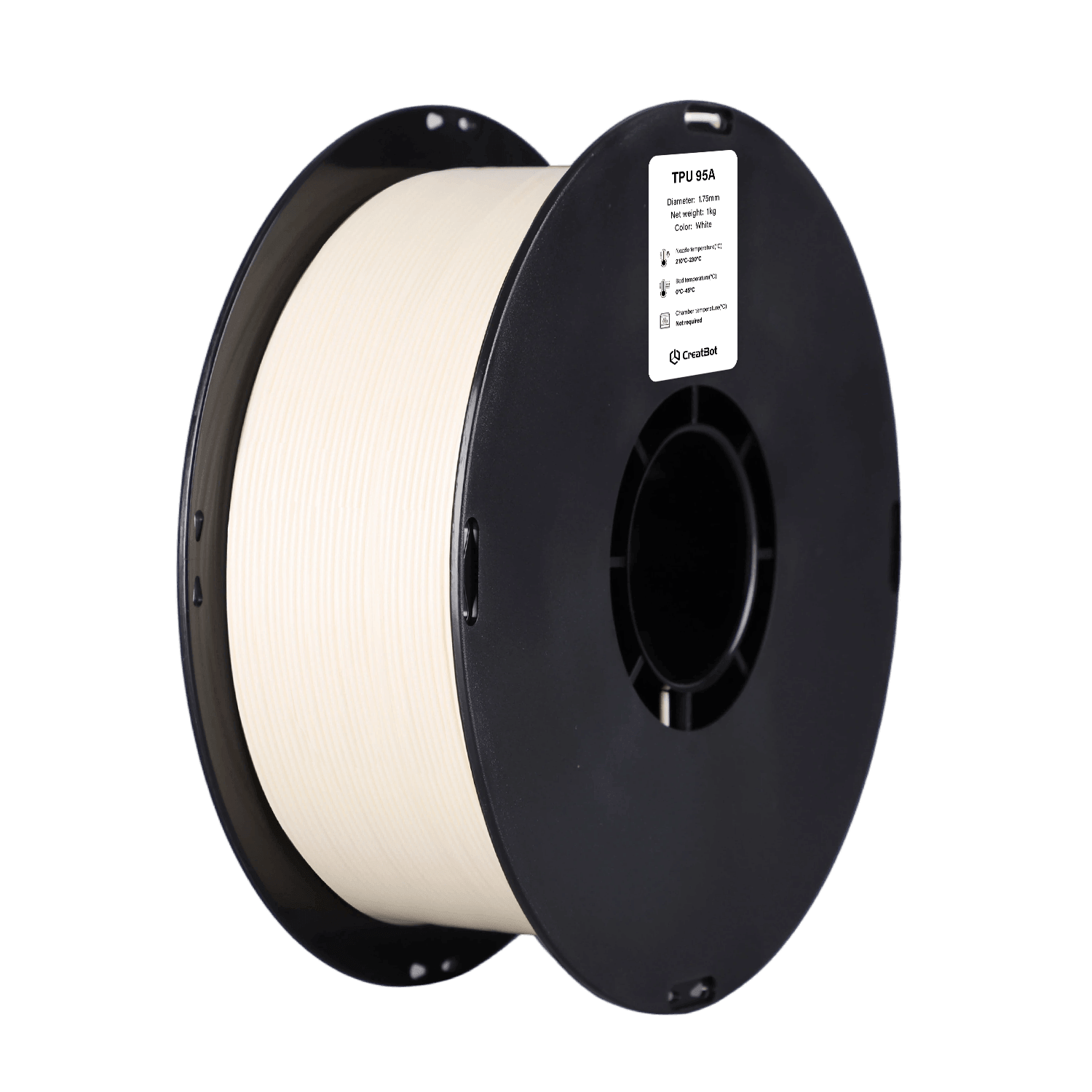
TPU 95A
Thermoplastic Polyurethane Elastomer
TPU 95A is a flexible material suitable for parts requiring elasticity, cushioning, and wear resistance.
Key Features
High flexibility
Excellent wear resistance
Impact resistant
Vibration absorbing
Typical Applications
Seals
Flexible connectors
Shock-absorbing parts
PC
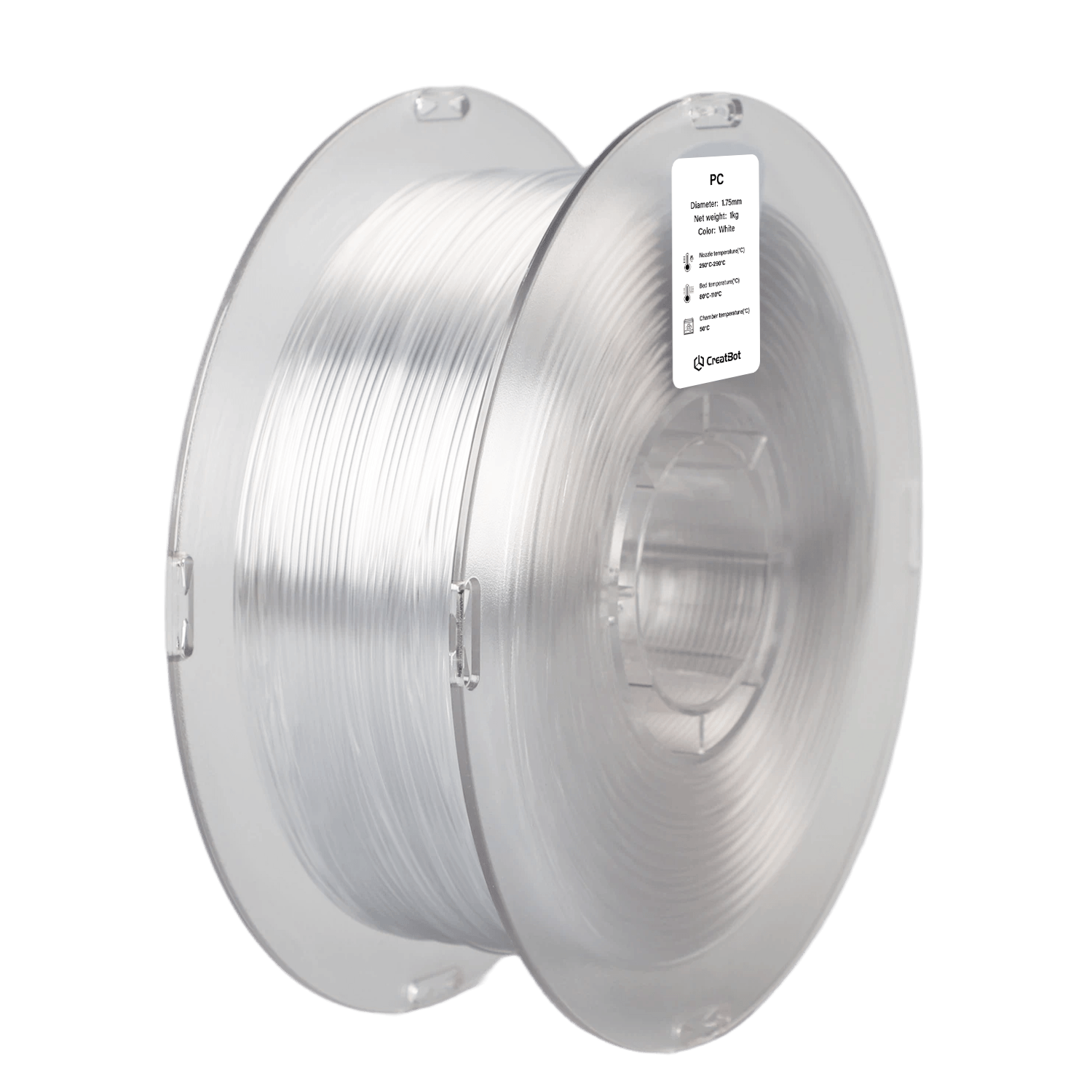
Polycarbonate
PC is a high-performance engineering plastic with excellent strength, impact resistance, and heat resistance.
It is suitable for manufacturing industrial parts with high mechanical performance requirements.
Key Features
High impact strength
High durability
Good heat resistance
Excellent mechanical properties
Typical Applications
Industrial structural parts
Functional validation parts
Mechanical components
Engineering Grade Filaments
Engineering-grade materials are mainly used in industrial manufacturing scenarios that require higher strength, better heat resistance, and long-term stability.
ABS
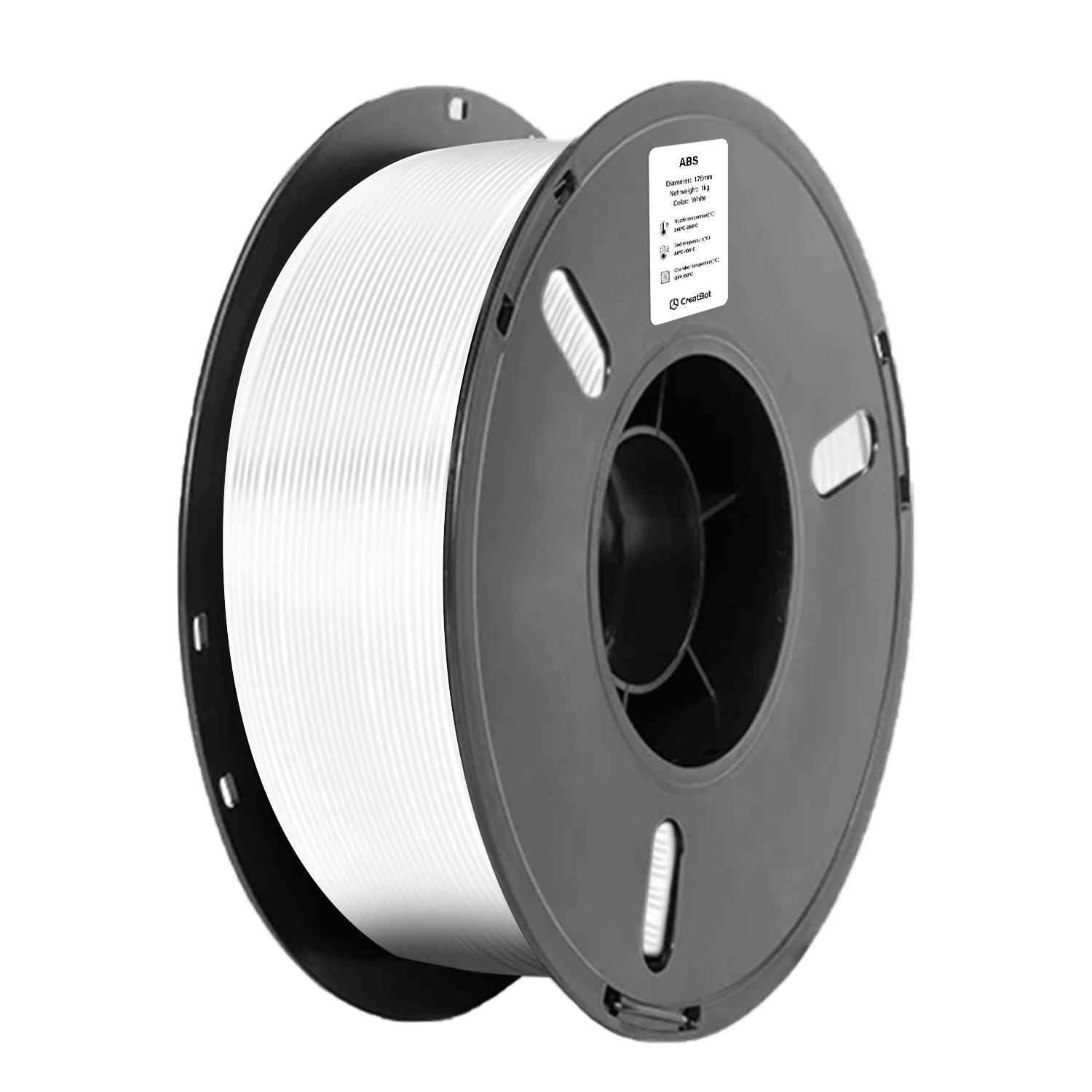
Acrylonitrile Butadiene Styrene
ABS is a classic engineering plastic widely used in industrial manufacturing.
It offers good toughness, impact resistance, and heat resistance.
Key Features
High toughness
Good impact resistance
Heat resistant
Easy to post-process
Typical Applications
Automotive components
Functional prototypes
Production aids
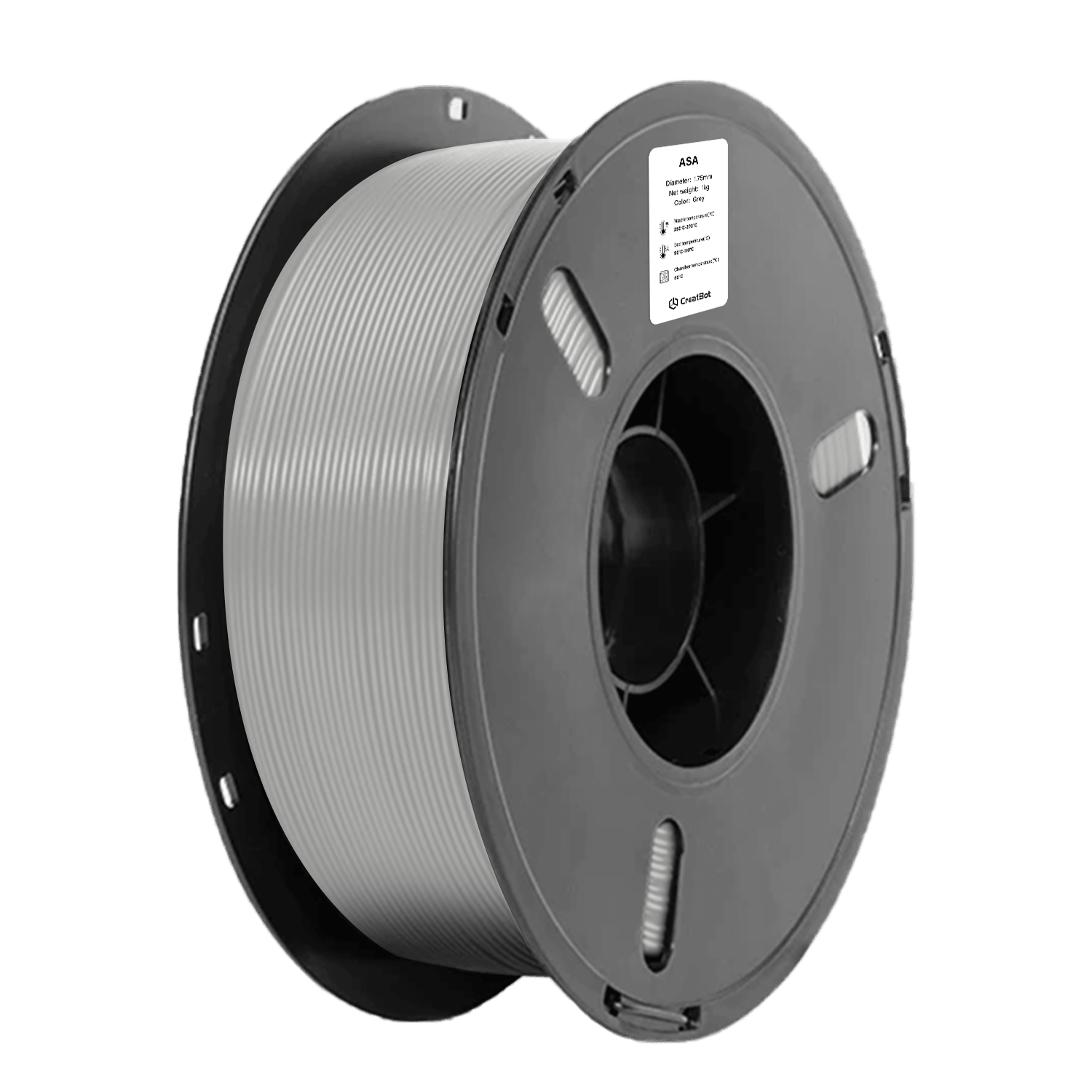
ASA
Acrylonitrile Styrene Acrylate
ASA offers mechanical properties similar to ABS while providing superior UV resistance and weatherability.
It is especially suitable for outdoor environments.
Key Features
Excellent UV resistance
Strong weatherability
Long-term outdoor stability
Good mechanical properties
Typical Applications
Outdoor parts
Industrial protective covers
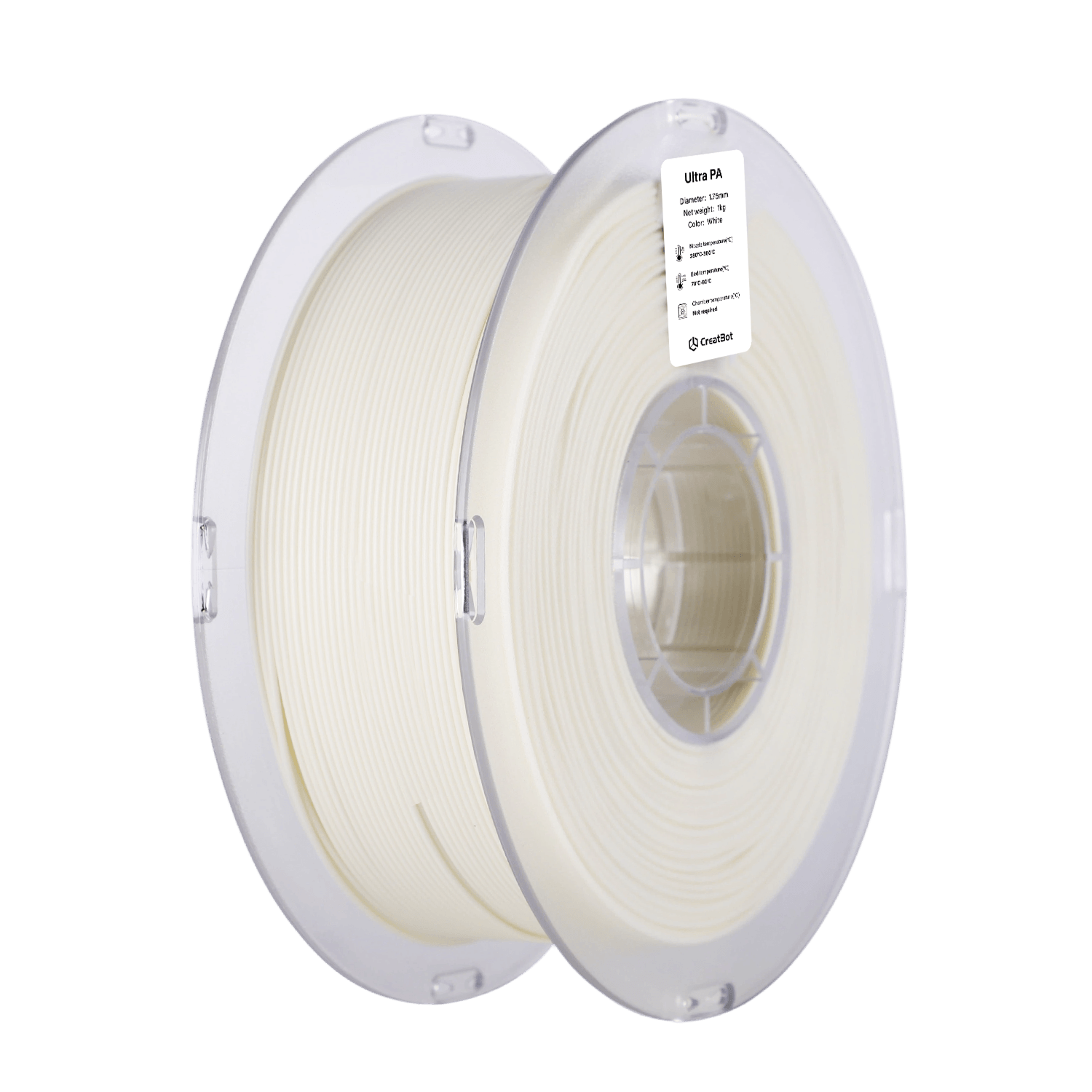
UltraPA
High-Performance Nylon
UltraPA is a high-performance nylon material developed for industrial applications.
Compared with standard nylon, UltraPA offers higher strength, better wear resistance, and superior long-term stability.
Key Features
High strength
Wear resistant
High toughness
Chemical resistant
Typical Applications
Jigs and fixtures
Functional structural parts
Manufacturing aids
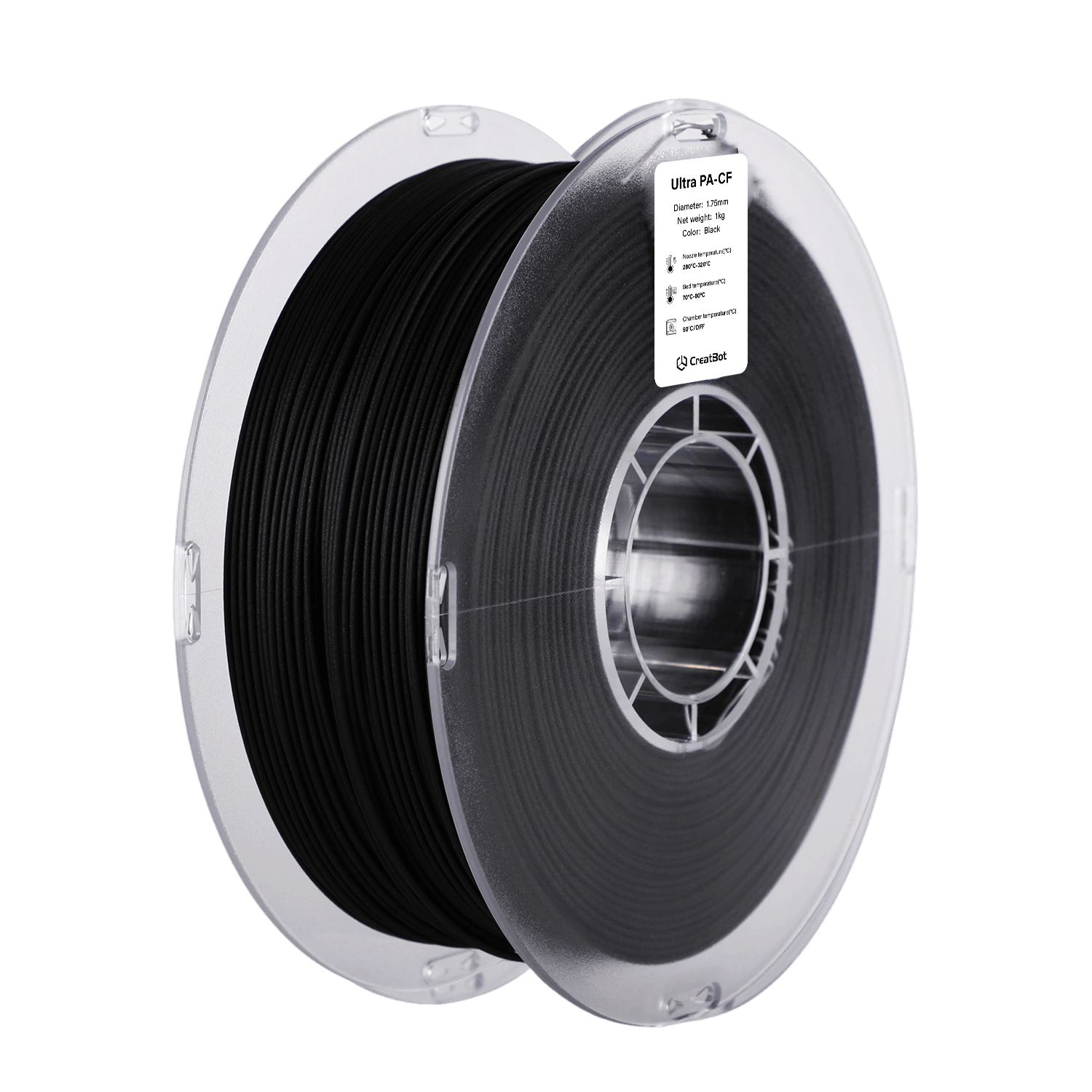
UltraPA-CF
Carbon Fiber Reinforced UltraPA
UltraPA-CF combines the toughness of nylon with the high stiffness provided by carbon fiber reinforcement.
It is suitable for manufacturing lightweight, high-strength industrial parts.
Key Features
High stiffness
Low deformation
High dimensional stability
Excellent mechanical properties
Typical Applications
Automotive tooling
Production aids
Structural parts
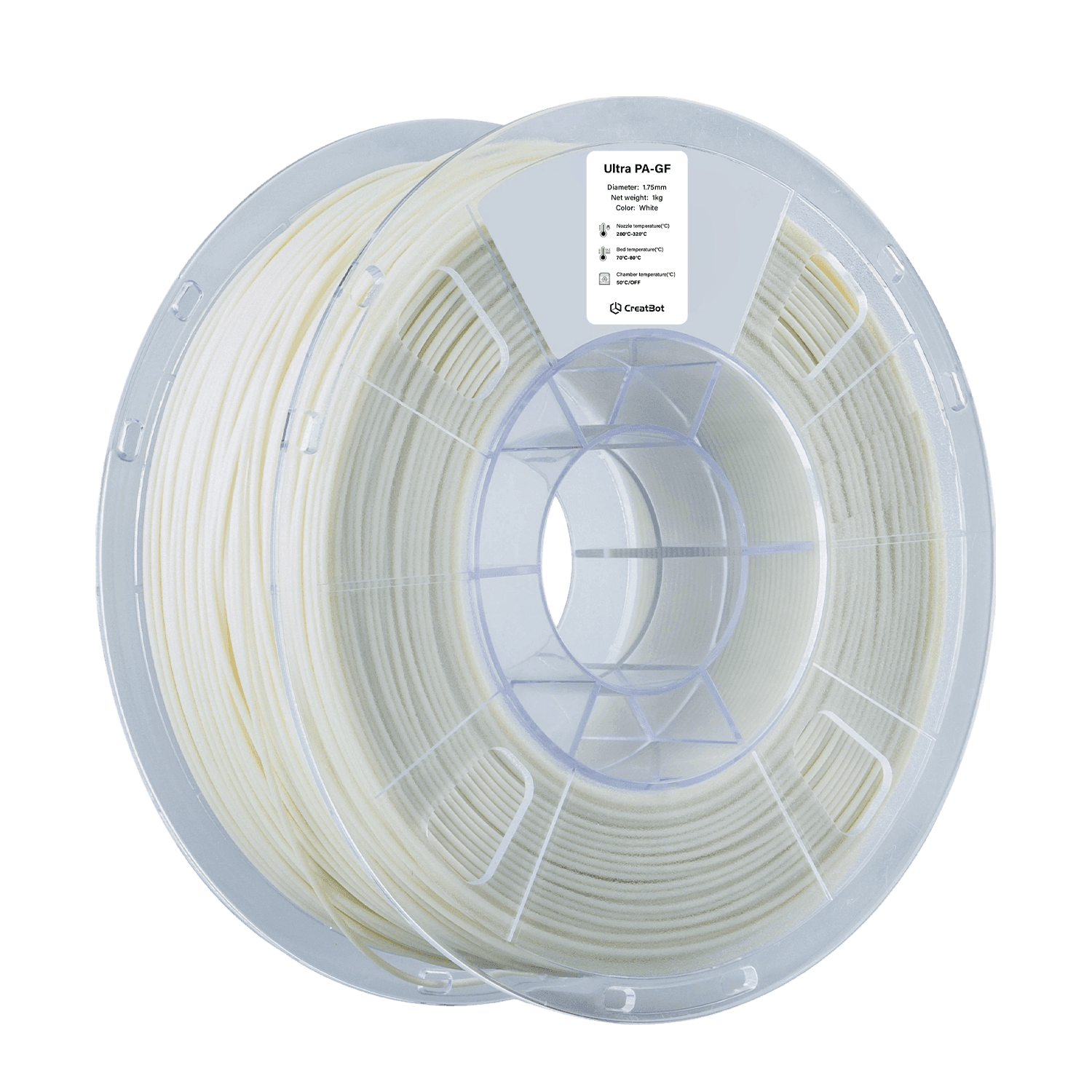
UltraPA-GF
Glass Fiber Reinforced UltraPA
UltraPA-GF incorporates glass fiber to improve material stiffness, heat resistance, and long-term load-bearing capacity.
Key Features
High stiffness
Excellent durability
Creep resistant
Enhanced thermal stability
Typical Applications
Load-bearing structural parts
Mechanical assemblies
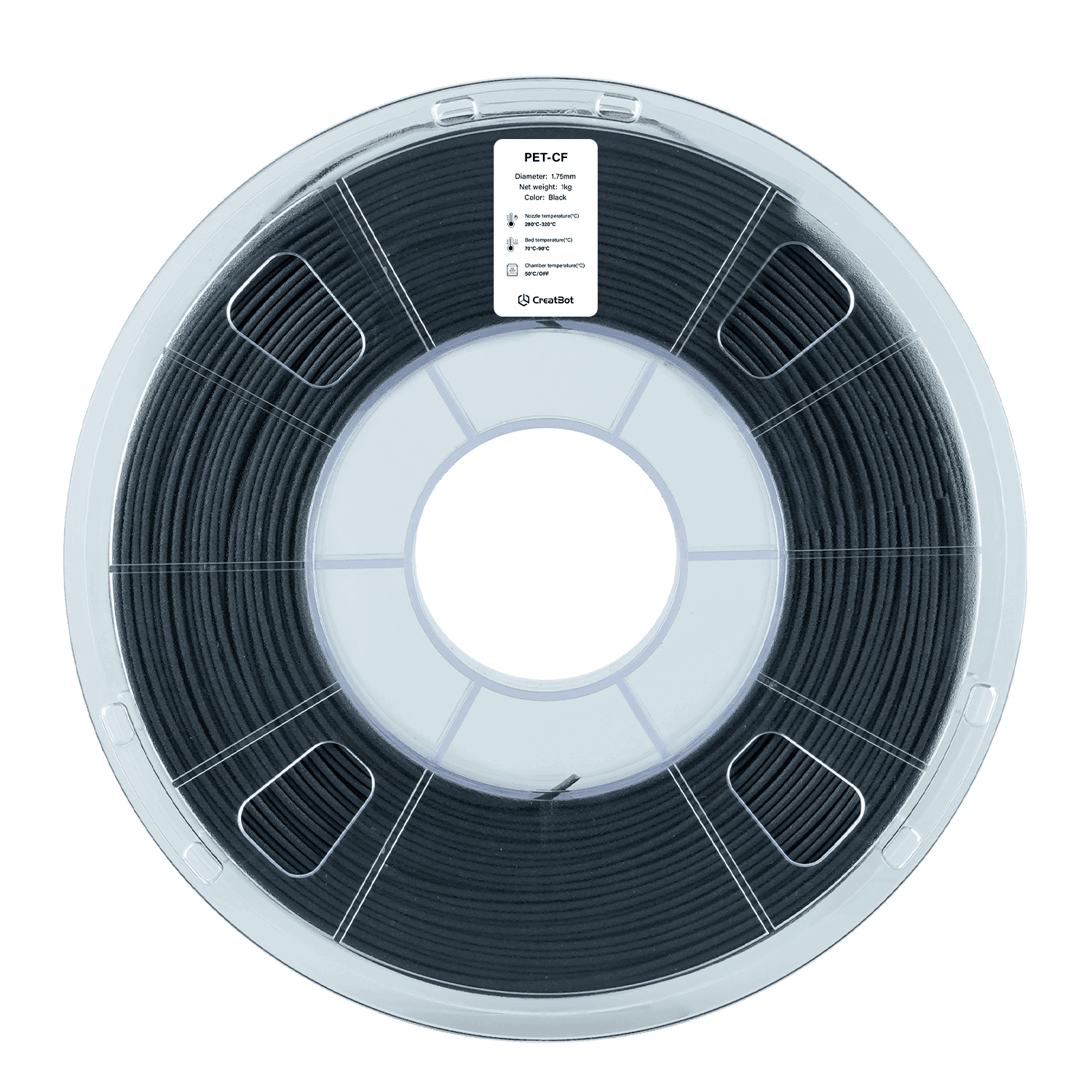
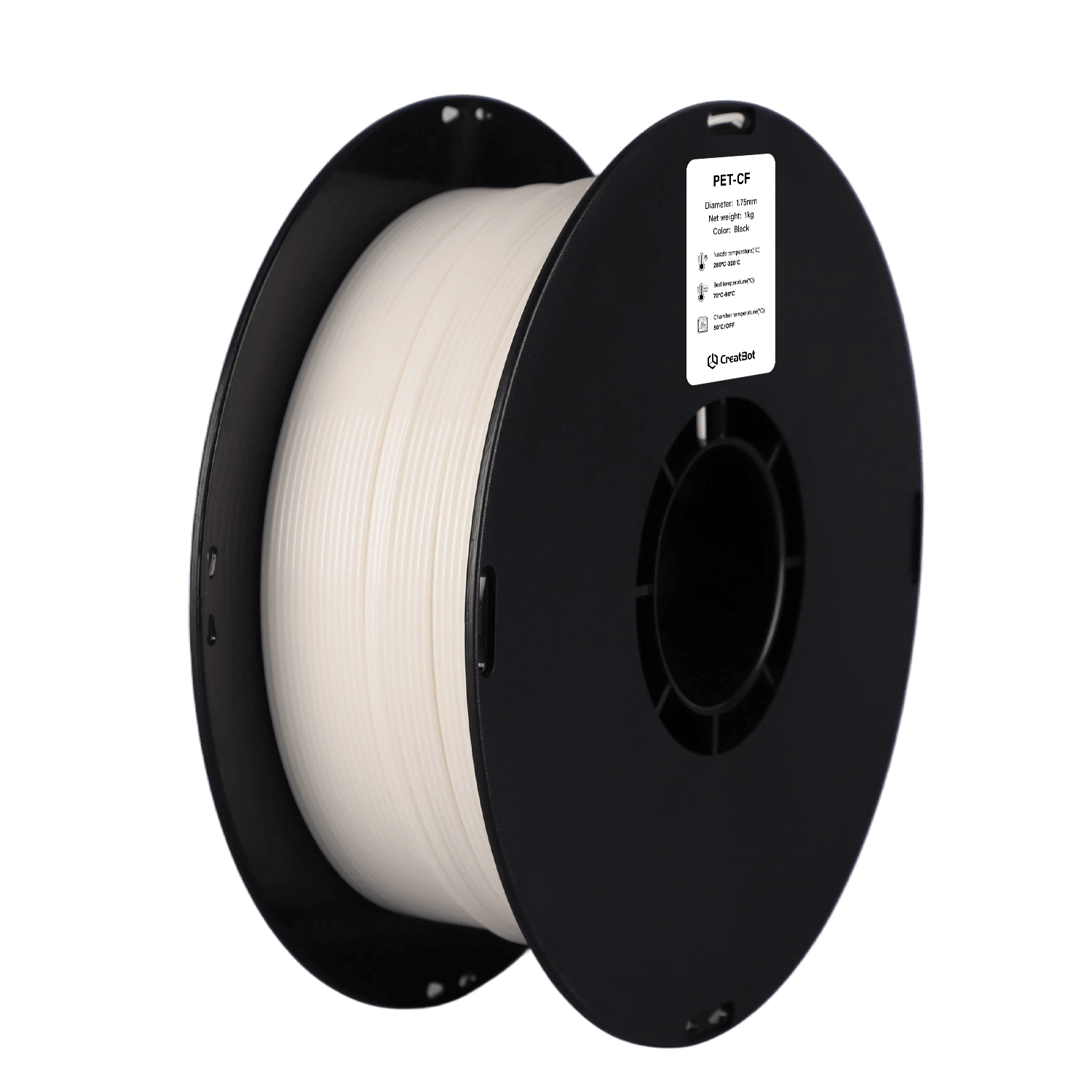
PET-CF
Carbon Fiber Reinforced PET
PET-CF offers excellent dimensional stability and mechanical properties.
It is suitable for industrial applications requiring high precision and high stiffness.
Key Features
High stiffness
Low moisture absorption
High precision
Excellent surface quality
Typical Applications
Precision parts
Industrial jigs
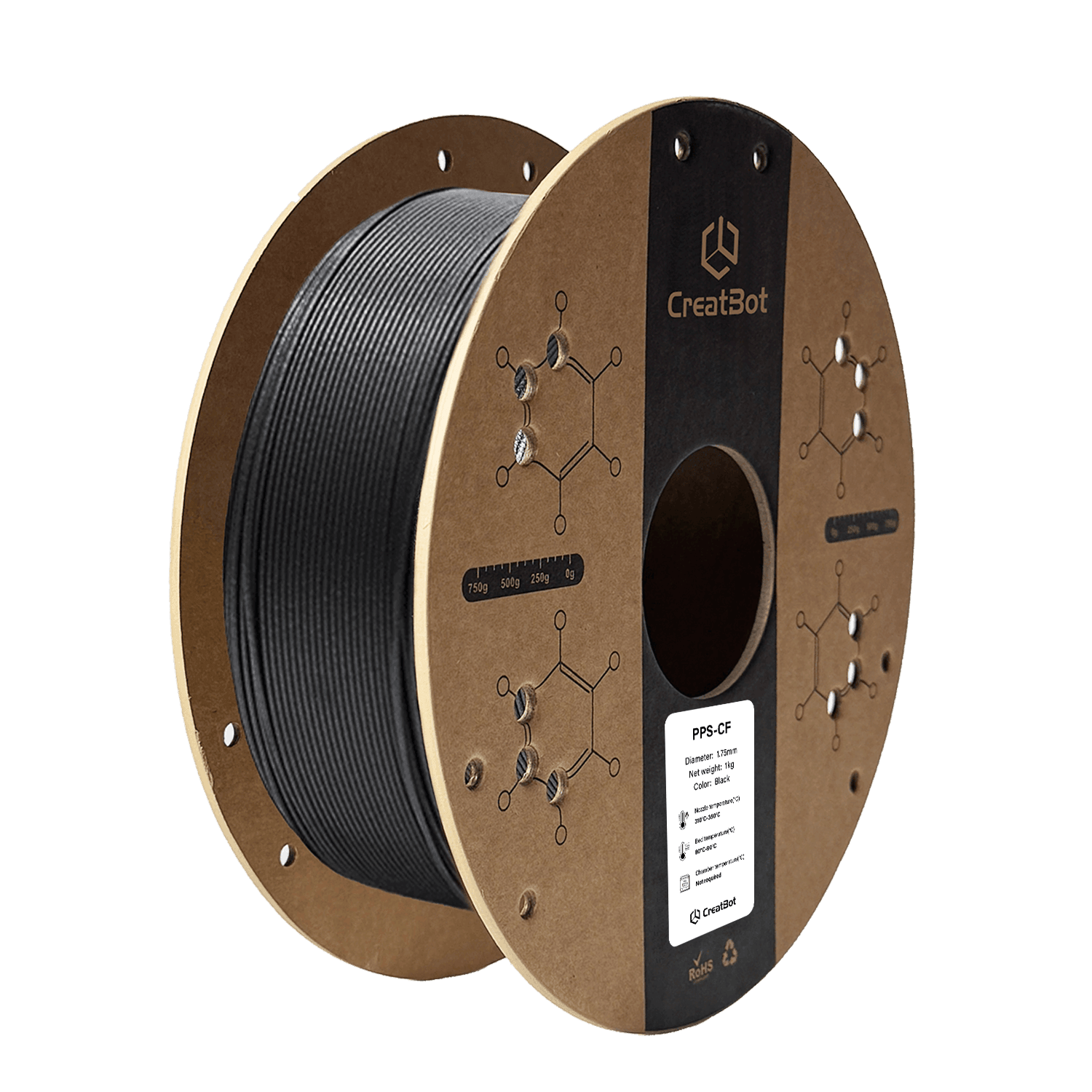
PPS-CF
Carbon Fiber Reinforced Polyphenylene Sulfide
PPS-CF is a high-performance engineering material suitable for extreme-environment applications.
Key Features
Extremely high temperature resistance
Excellent chemical resistance
High stiffness
Strong dimensional stability
Typical Applications
Aerospace parts
High-temperature tooling
Industrial production parts
High Performance Filaments
High-performance materials are mainly used in aerospace, automotive, medical, and advanced manufacturing fields.
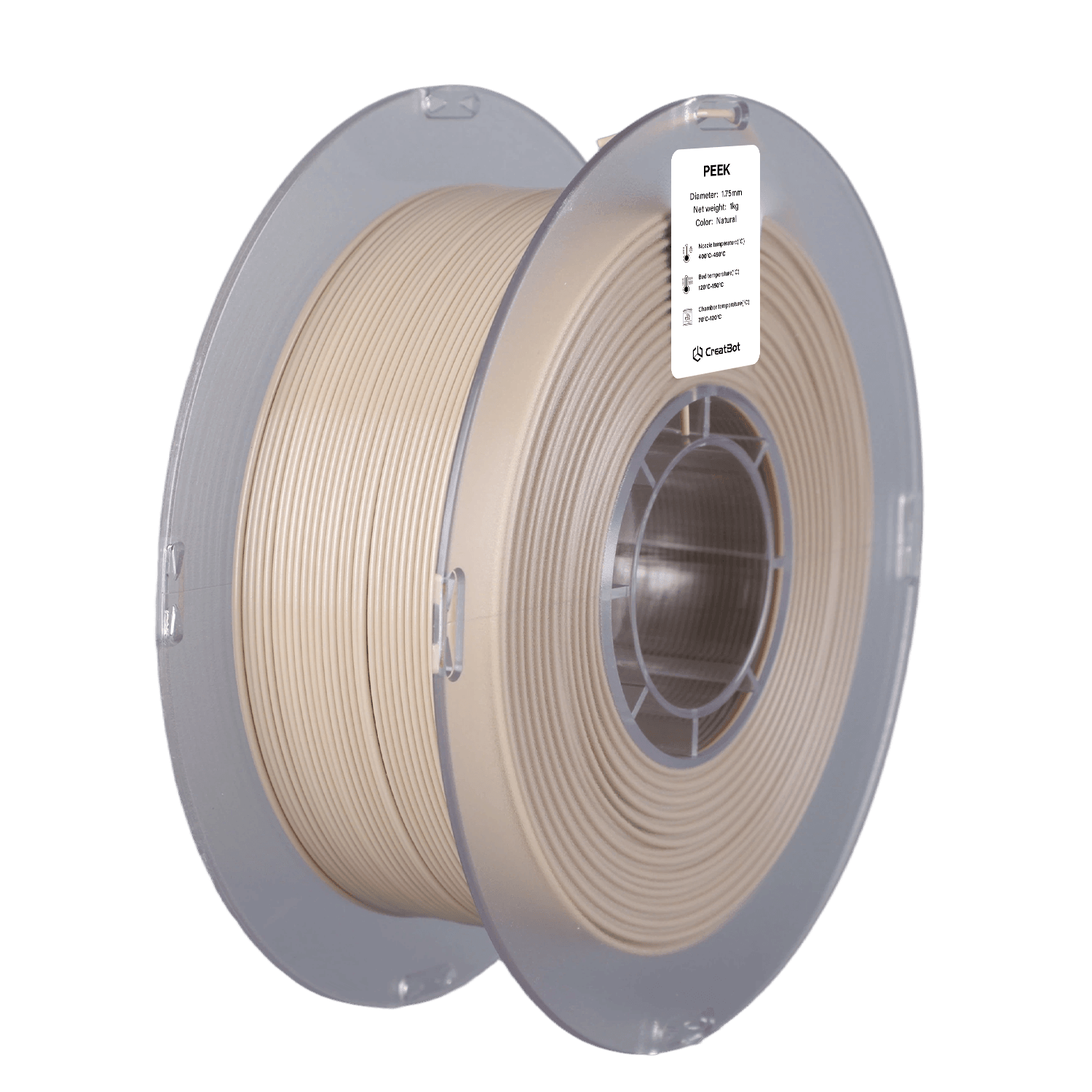
PEEK
Polyether Ether Ketone
PEEK is one of the highest-performance thermoplastic materials in the FDM 3D printing field.
It offers extremely high temperature resistance, mechanical strength, chemical corrosion resistance, and long-term stability.
Key Features
Ultra-high temperature resistance
Excellent chemical corrosion resistance
High mechanical strength
Long-term stable operation
Typical Applications
Aerospace parts
Semiconductor equipment parts
Industrial end-use parts
Printing Requirements
PEEK requires professional high-temperature FDM equipment:
High-temperature nozzle
Heated build platform
Temperature-controlled build chamber
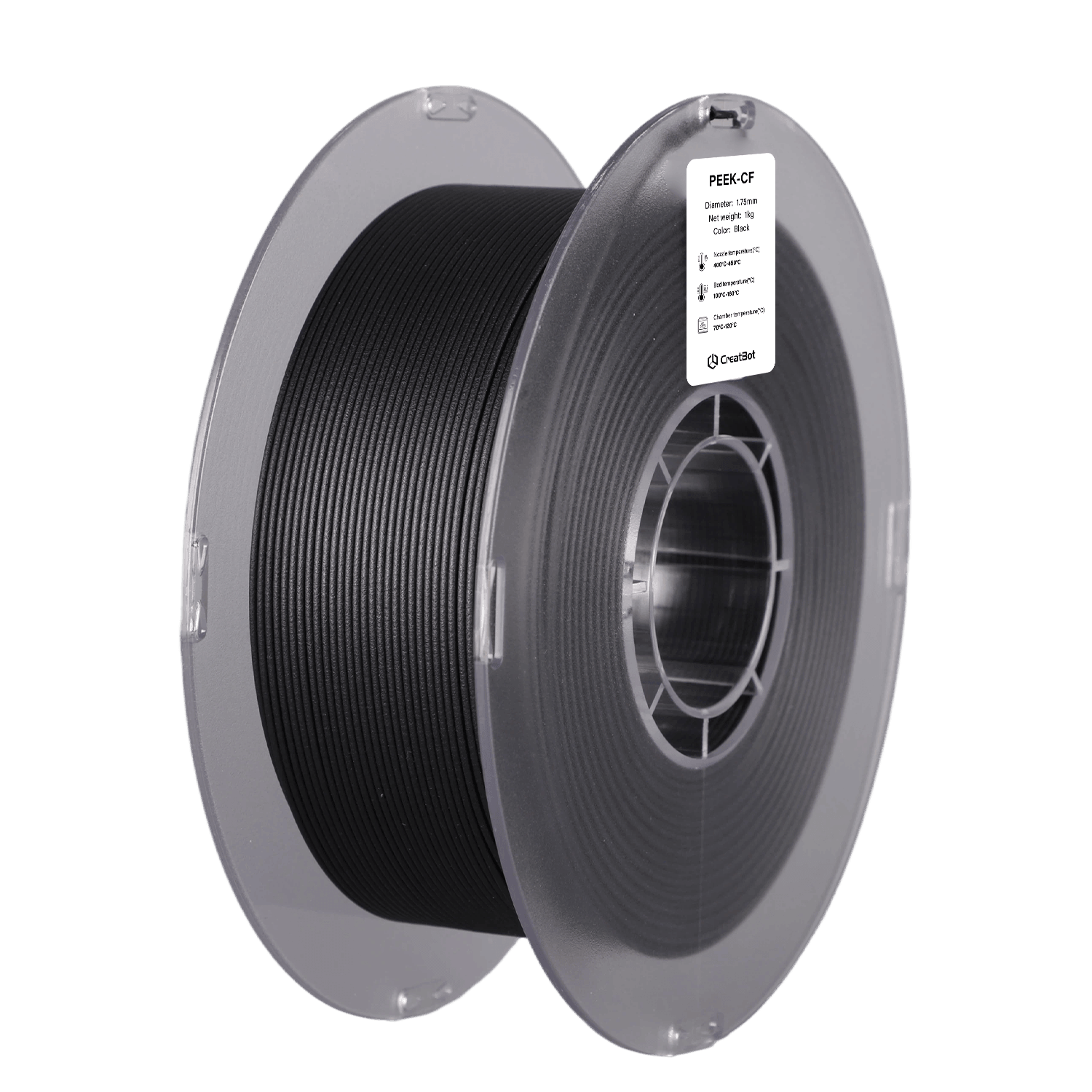
PEEK-CF
Carbon Fiber Reinforced PEEK
PEEK-CF adds carbon fiber to PEEK to improve material stiffness and dimensional stability.
Key Features
Extremely high stiffness
High strength
Lightweight
Excellent temperature resistance
Typical Applications
Aviation structural parts
Industrial end-use parts
PEEK-GF
Glass Fiber Reinforced PEEK
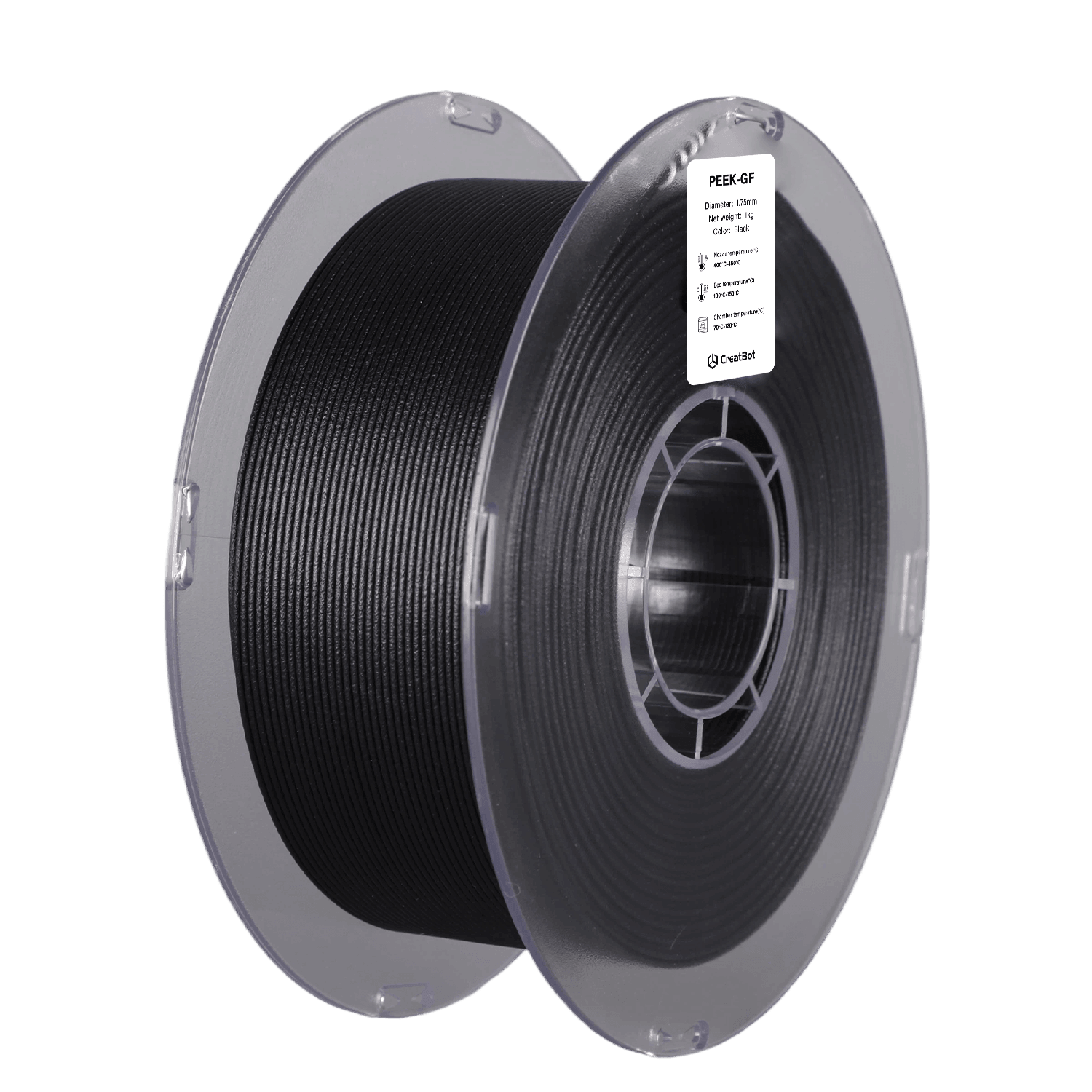
PEEK-GF uses glass fiber reinforcement to improve load-bearing capacity and creep resistance.
Key Features
High modulus
High load capacity
Excellent thermal stability
Typical Applications
High-load industrial parts
Engineering structural parts
PEI 1010
Polyetherimide
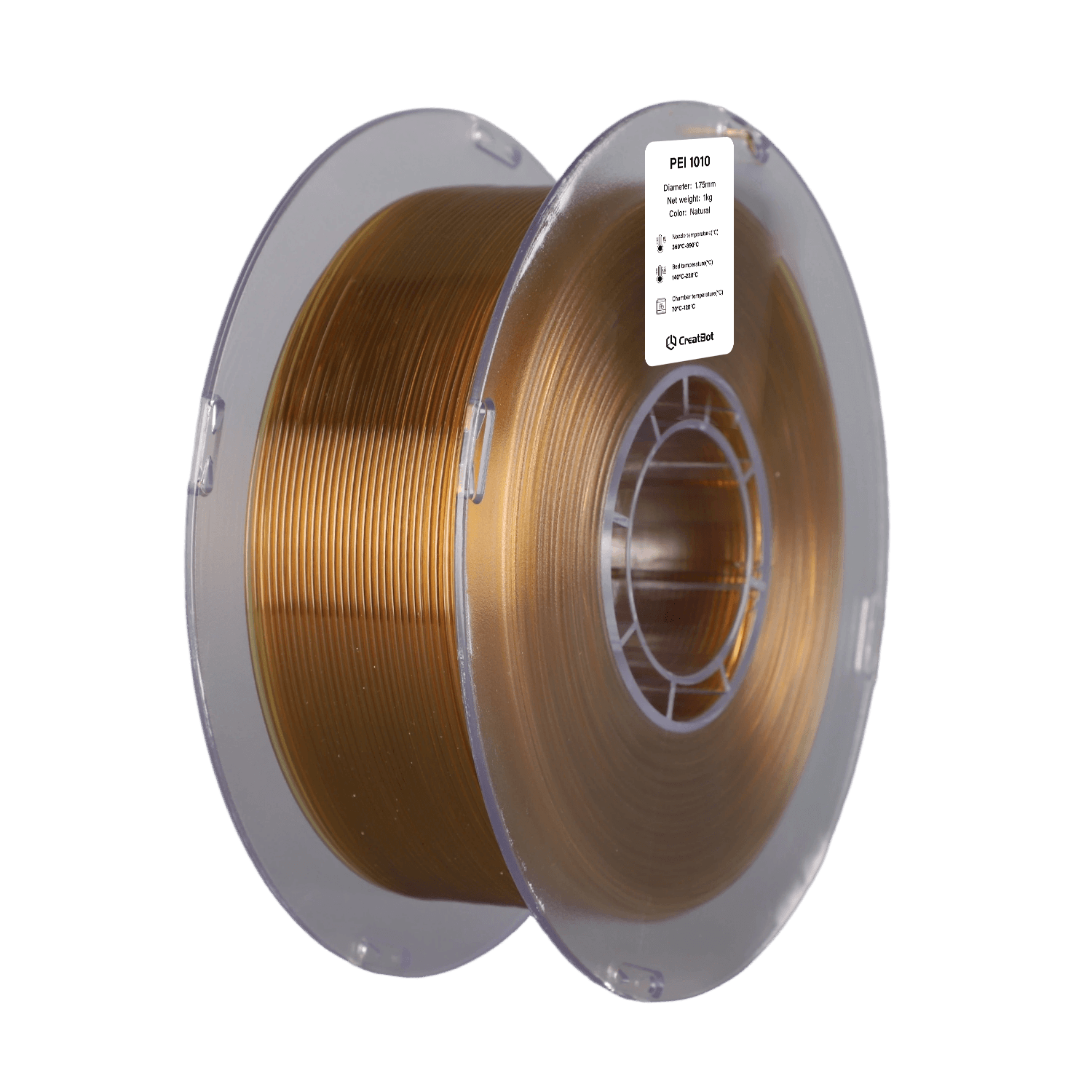
PEI 1010 is a high-performance engineering plastic with excellent mechanical properties, heat resistance, and flame retardancy.
Key Features
High-temperature stable
High strength
Excellent flame retardancy
Typical Applications
Aerospace parts
Transportation components
PEI 9085
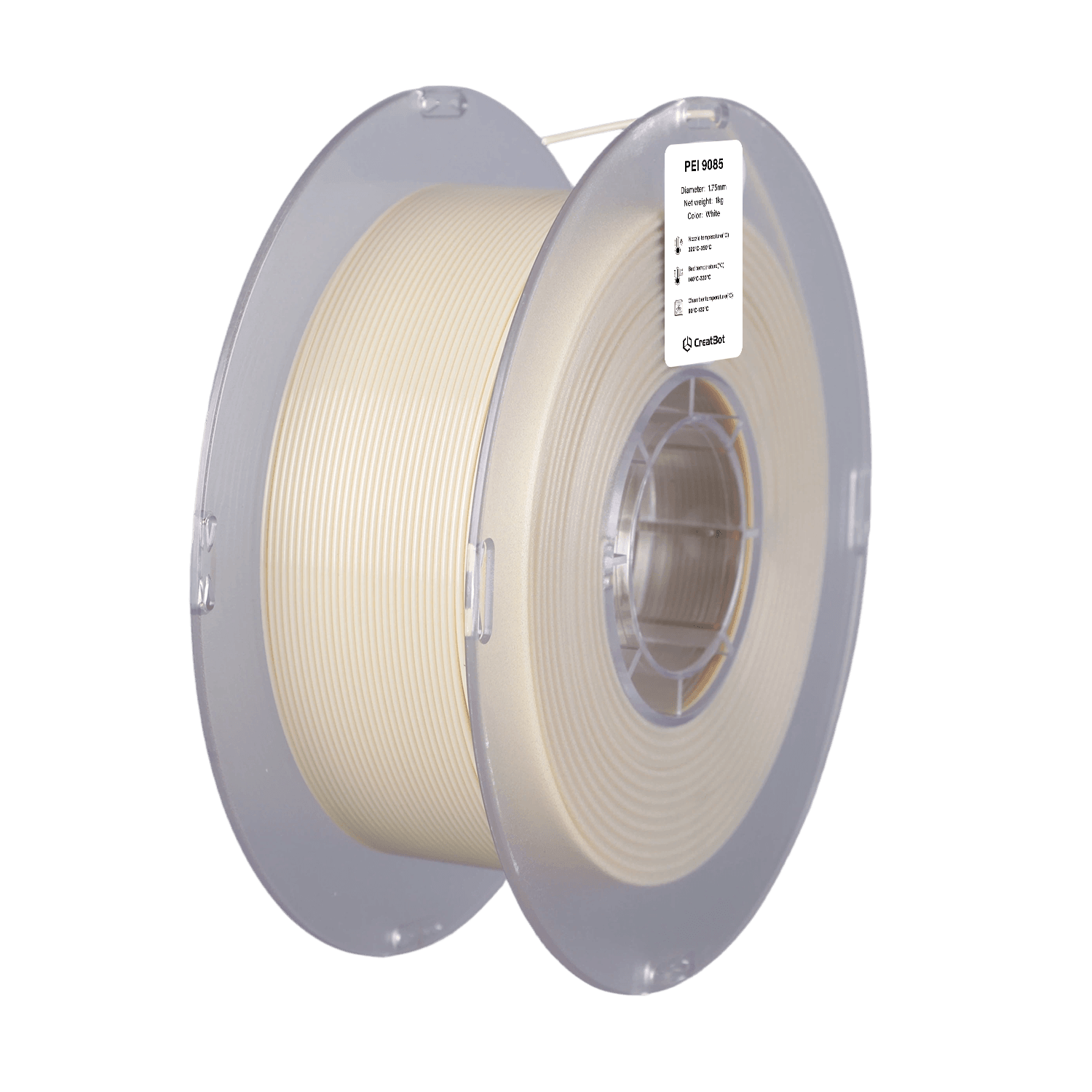
PEI 9085 is a high-performance material widely used in aerospace and transportation.
Key Features
High strength
Flame retardant
Long-term stable
Typical Applications
Aircraft interior components
Industrial applications
Support Materials
Support materials are used for printing complex structures, helping to create overhangs, complex internal channels, and support areas that are difficult to remove.
PVA
Water-Soluble Support Material
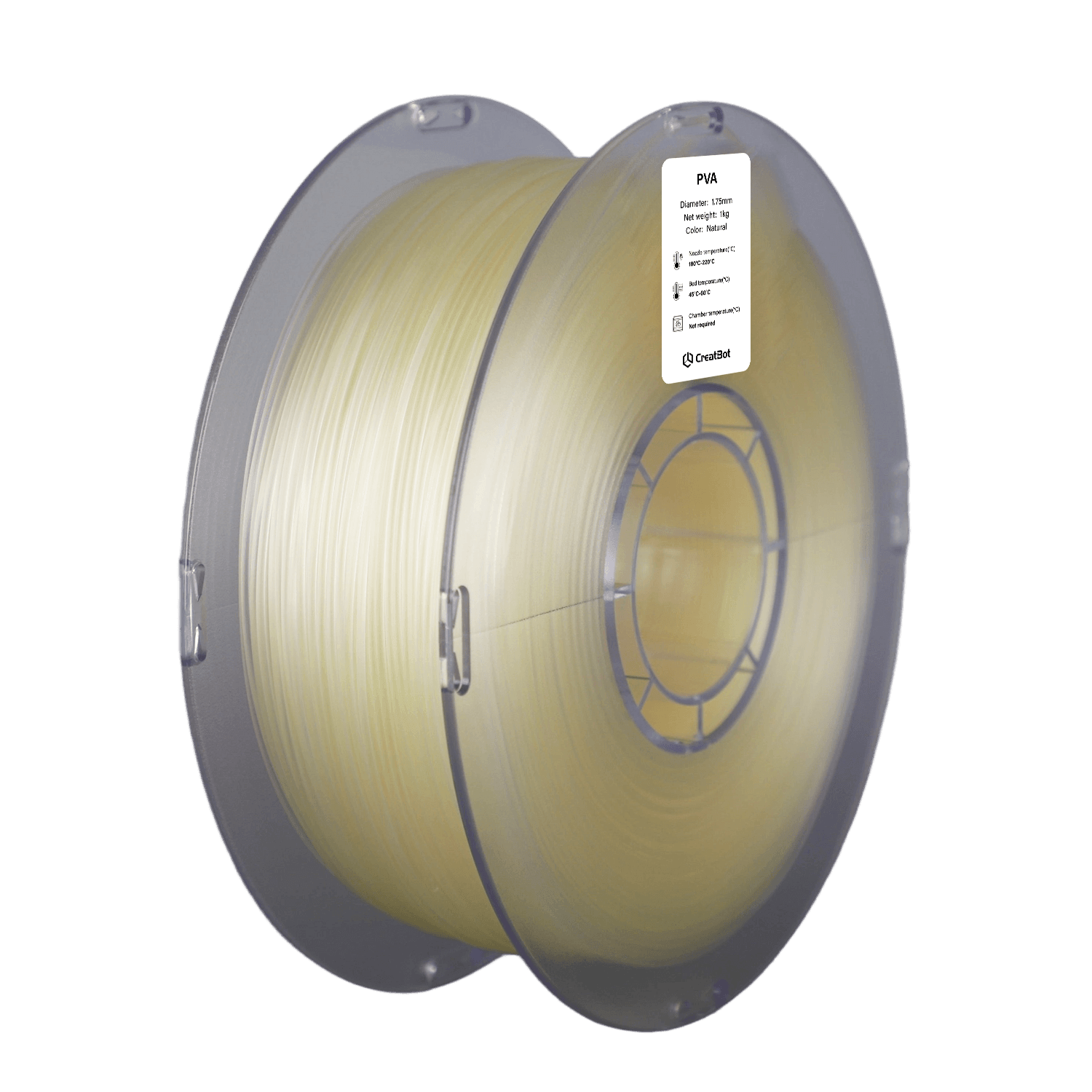
PVA support structures can be removed by dissolving in water without damaging the model surface.
Applications
Complex models
Multi-material printing
Delicate structural parts
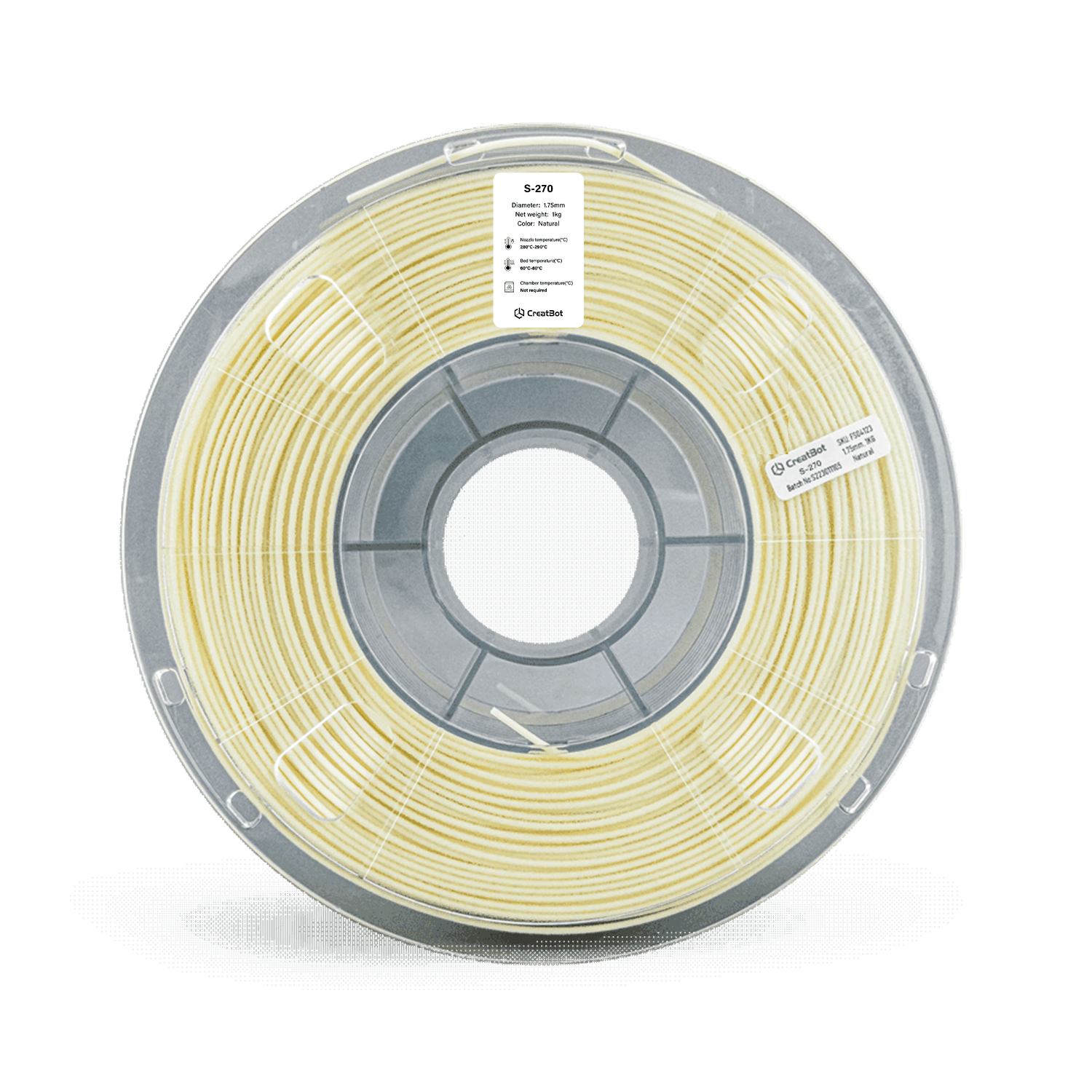
S-270
S-270 is a professional support filament developed for engineering materials.
Applications
Engineering material printing
Complex structure support
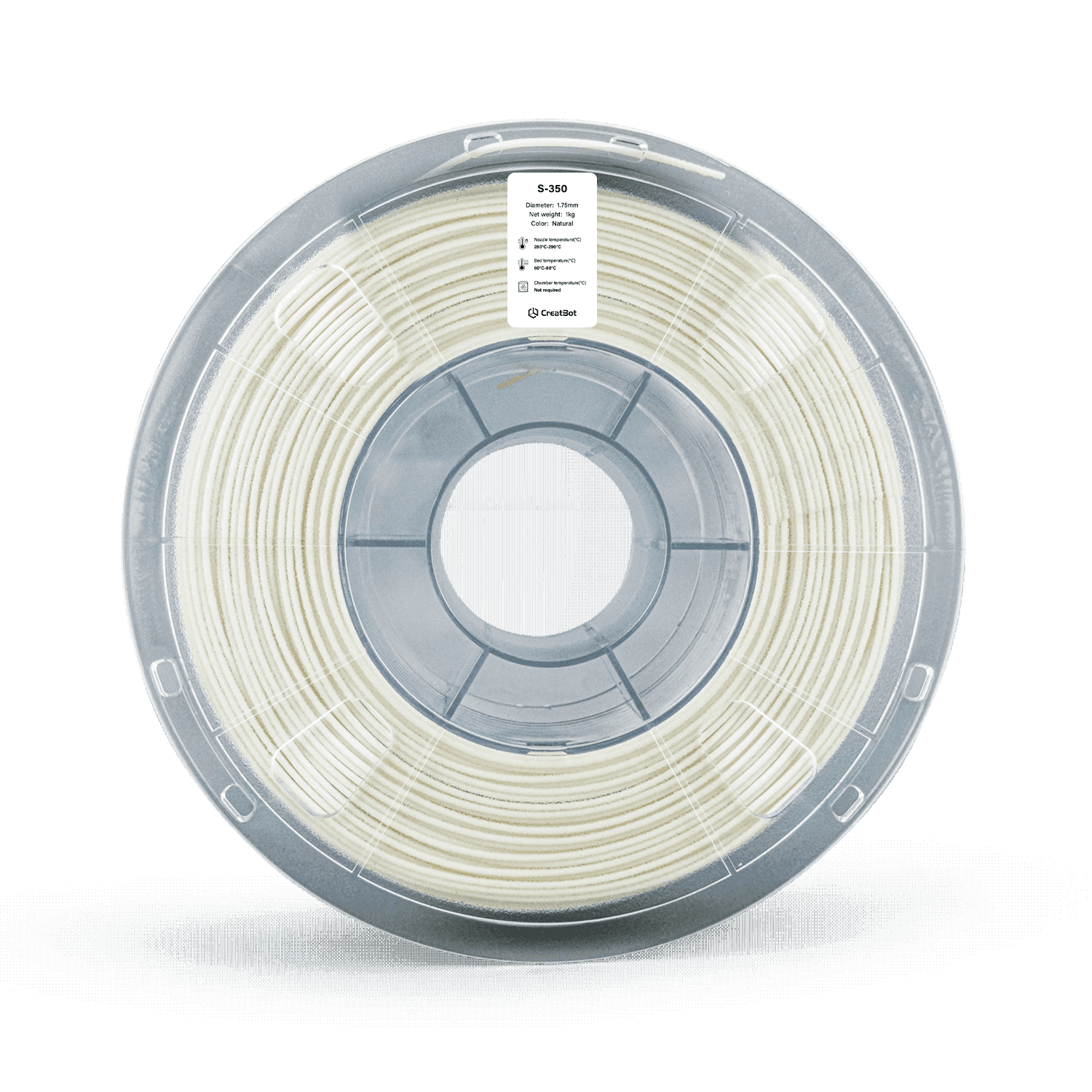
S-350
S-350 is used in high-performance material printing scenarios to provide better support performance.
Applications
PEEK printing support
High-temperature material printing
Industrial complex parts
How to Choose the Right 3D Printing Filament?
Need rapid prototypes?
Recommended:
Need high-strength industrial parts?
Recommended:
Need high-temperature performance?
Recommended:
Need long-term outdoor use?
Recommended:
Need flexible parts?
Recommended:
CreatBot Industrial-Grade FDM Material Solutions
CreatBot industrial 3D printers support a broad material ecosystem ranging from standard filaments to high-performance engineering plastics, including:
With large-format printing capabilities, high-temperature extrusion systems, and professional temperature-controlled environments, CreatBot helps enterprises achieve:
Choose the right material to fully unleash the manufacturing potential of industrial FDM 3D printing technology.