
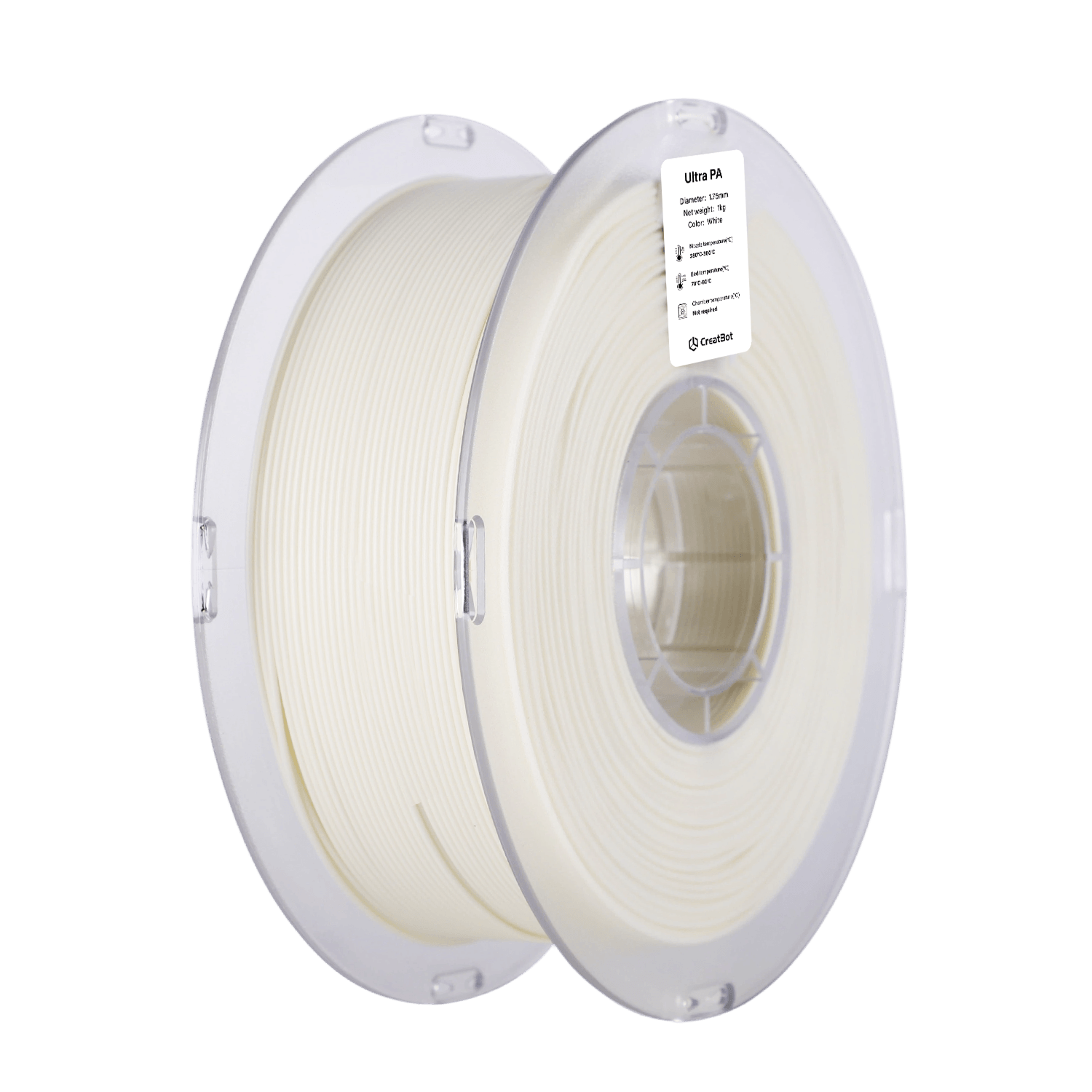
Ultra PA

Aeroespacial

Peças de desgaste

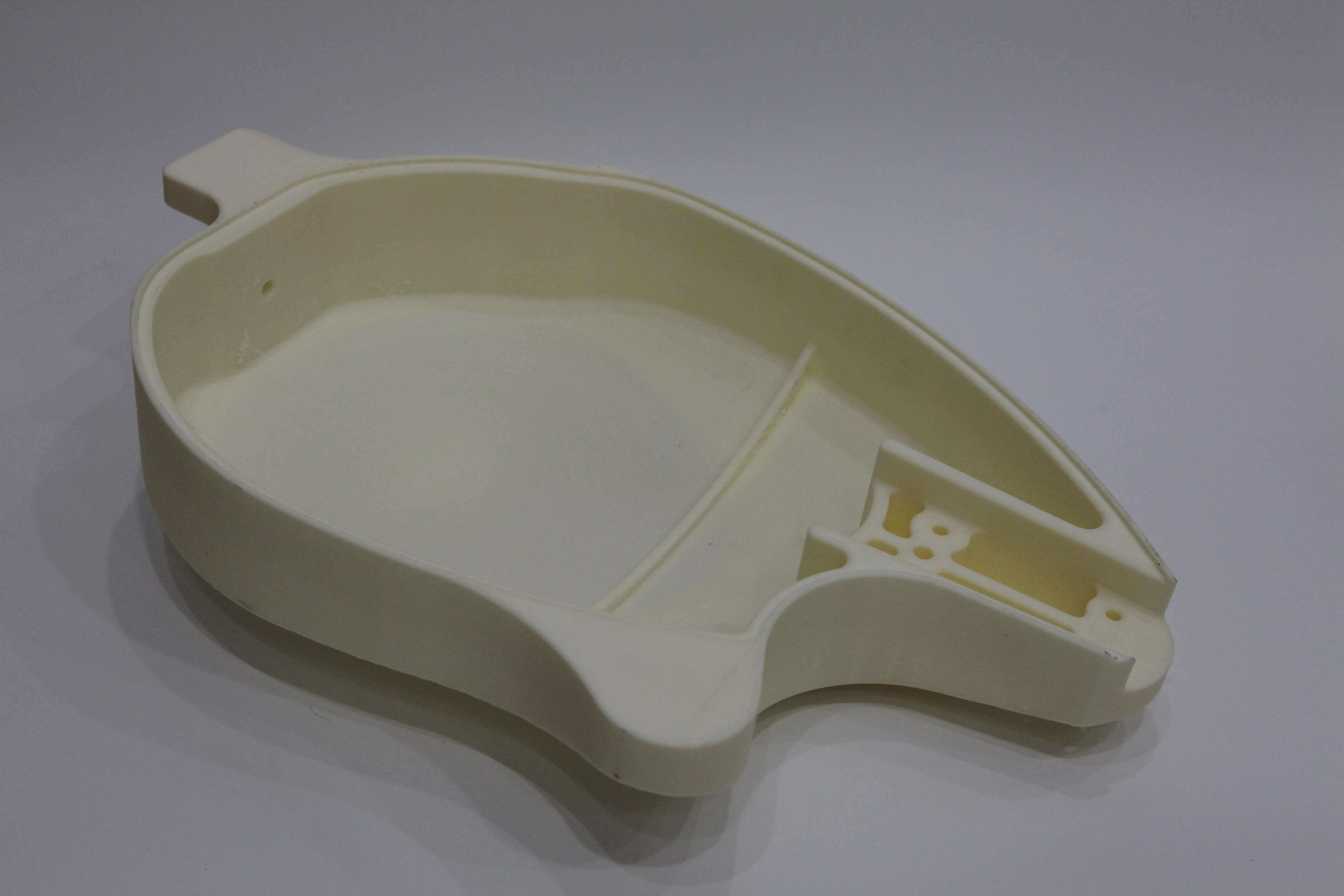
Peças funcionais automotivas

Equipamentos industriais
Características do filamento Ultra PA para impressão 3D



Pré-visualização de impressão CreatBot Ultra PA
Vantagens de imprimir com filamentos CreatBot
Qualidade premium da matéria-prima
Resinas de poliamida virgem selecionadas dos principais gigantes químicos, garantindo pureza do material desde a origem. Cada lote passa por inspeção completa de resistência à tração, índice de fusão e tolerância de diâmetro antes do envio para garantir desempenho estável e confiável.
Calibrado de fábrica, pronto para imprimir
A formulação do filamento, o fluxo de fusão e a tolerância de diâmetro (±0.03mm) são calibrados para todos os modelos CreatBot, com parâmetros exclusivos integrados ao software de fatiamento. Não é necessário depurar repetidamente: desembale e imprima, até iniciantes podem obter qualidade de impressão estável.
Durabilidade ao desgaste aprimorada
Otimizado para cenários de fricção de alta carga, com resistência ao desgaste e desempenho de fadiga excepcionais. As peças impressas mantêm estabilidade dimensional e propriedades mecânicas em uso prolongado em condições de transmissão de engrenagens e fricção deslizante, adequadas para peças funcionais resistentes ao desgaste de grau industrial.
Impressoras 3D Compatíveis
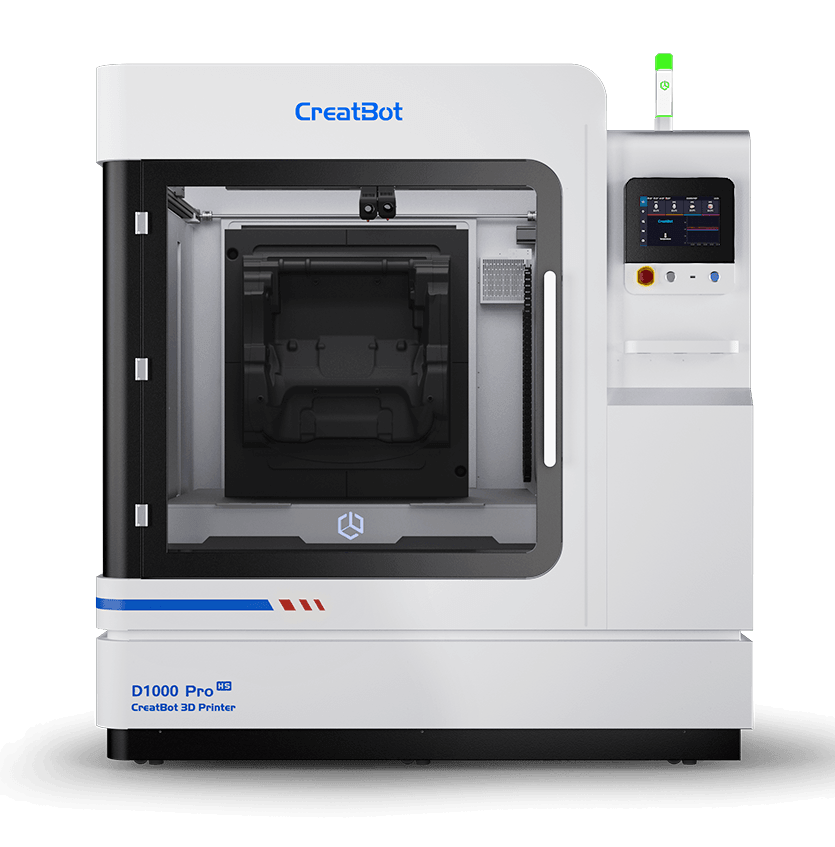
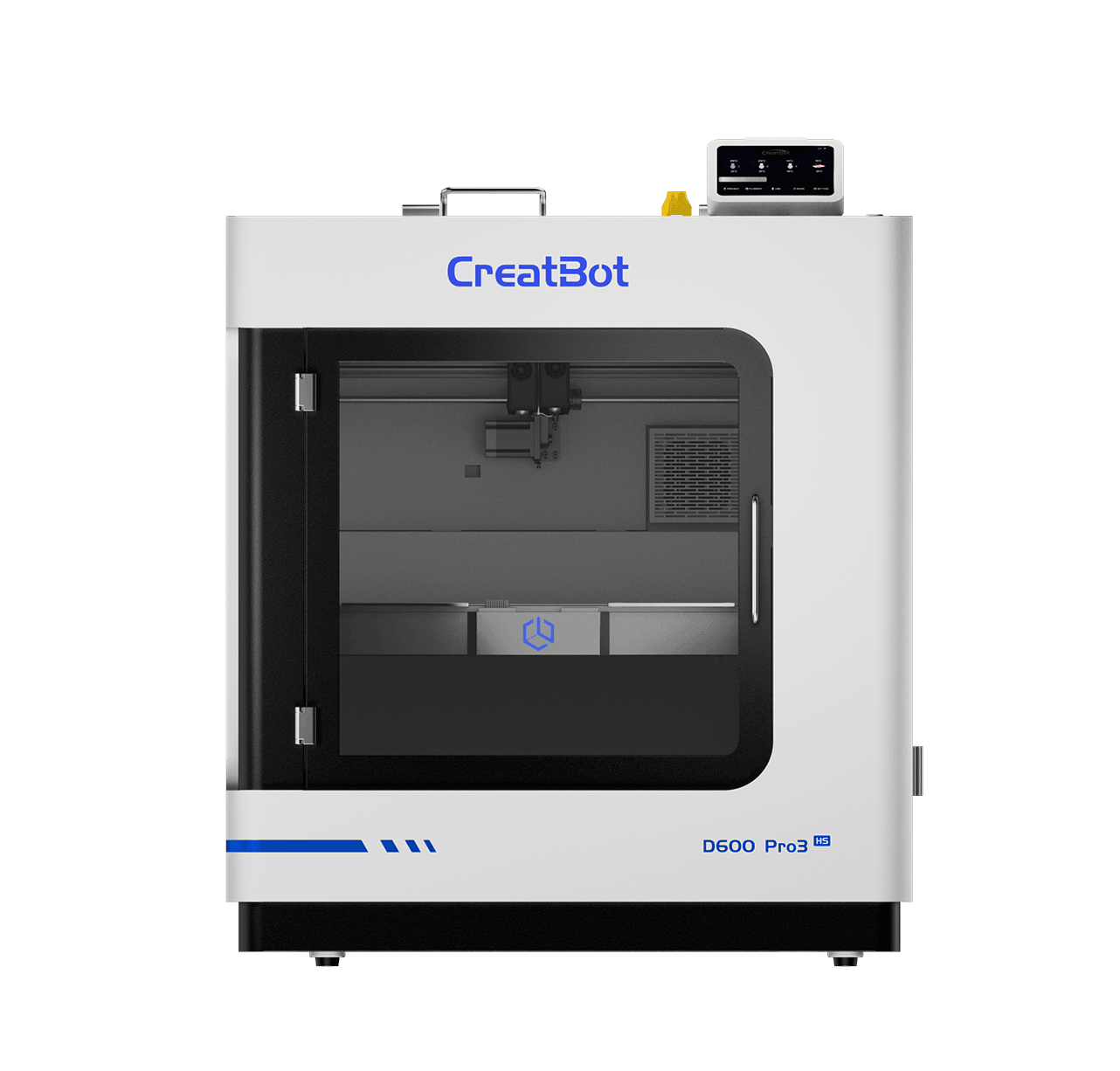
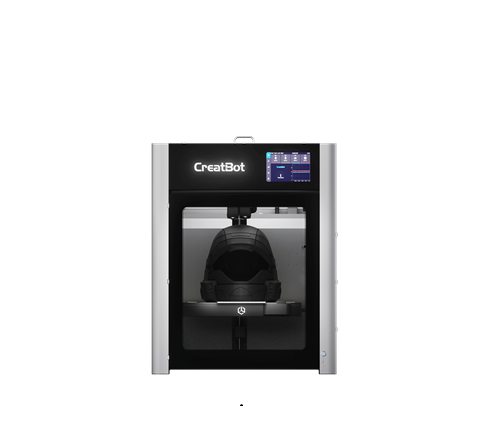
As impressoras 3D industriais CreatBot são projetadas para materiais de alto desempenho. Os seguintes modelos possuem câmara aquecida e bicos de alta temperatura para resultados profissionais.
FICHA TÉCNICA
| Item | Dado |
|---|---|
| Condições de secagem pré-impressão | 80-100℃, 6-8 H (Estufa de secagem por convecção) |
| Temperatura do bico | 280-300℃ |
| Diâmetro do bico | 0,4 / 0,6 / 0,8 / 1,0 mm |
| Tratamento da superfície da mesa de impressão | Spray de impressão 3D / cola sólida PVP / adesivo especializado |
| Temperatura da mesa | 70-80℃ |
| Temperatura da câmara | / |
| Ventoinha de refrigeração | OFF |
| Velocidade de impressão | 30-200 mm/s |
| Propriedades físicas | Método de ensaio | Dado |
|---|---|---|
| Densidade | ISO1183 | 1.21g/cm³ |
| Absorção de água saturada | 25℃,55%RH | 2.595% |
| Índice de fusão | 340℃,2.16 kg | 9.4g/10 min |
| Temperatura de fusão | DSC, 10℃/min | 231℃ |
| Temperatura de amolecimento Vicat | ISO 306, GB/T 1633 | / |
| Temperatura de deformação térmica | ISO 75, 0.45MPa | 79℃ |
| Propriedades mecânicas | Método de ensaio | Dado |
|---|---|---|
| Resistência à tração XY | ISO 527, GB/T 1040 | 69.2 MPa |
| Resistência à tração Z | ISO 527, GB/T 1040 | / |
| Módulo de Young XY | ISO 527, GB/T 1040 | 3329.7 MPa |
| Módulo de Young Z | ISO 527, GB/T 1040 | / |
| Alongamento na ruptura XY | ISO 527, GB/T 1040 | 9.77% |
| Alongamento na ruptura Z | ISO 527, GB/T 1040 | / |
| Resistência à flexão XY | ISO 178, GB/T 9341 | 112.6 MPa |
| Resistência à flexão Z | ISO 178, GB/T 9341 | / |
| Módulo de flexão XY | ISO 178, GB/T 9341 | 3202 MPa |
| Módulo de flexão Z | ISO 178, GB/T 9341 | / |
| Resistência ao impacto XY | ISO 179, GB/T 1043 | 9.74 kJ/m² |
| Resistência ao impacto Z | ISO 179, GB/T 1043 | / |
Perguntas frequentes sobre o filamento Ultra PA
O CreatBot Ultra PA utiliza filamento padrão de 1.75mm com controle de tolerância de diâmetro de grau industrial ±0.03mm, compatível com a grande maioria das impressoras 3D FDM que suportam impressão em PA (nylon). O equipamento deve ter uma mesa aquecida (recomendado 80-100℃) e um sistema de extrusão capaz de atingir estabilmente 260-290℃; recomenda-se um hotend totalmente metálico. Como o nylon é higroscópico e tem alta taxa de contração, recomenda-se uma câmara de impressão fechada ou cobertura protetora. Embora a compatibilidade seja ampla, recomendamos fortemente usar o CreatBot Ultra PA com impressoras 3D industriais CreatBot, cuja câmara fechada aquecida e parâmetros de fatiamento exclusivos podem aproveitar plenamente as vantagens de desempenho do filamento CreatBot Ultra PA.
O CreatBot Ultra PA é um material poliamídico de alto desempenho com formulação otimizada com base no PA comum. As diferenças são: ① Matérias-primas – utiliza resinas de poliamida virgem de alta pureza em vez de materiais reciclados ou mistos, garantindo distribuição uniforme de peso molecular e desempenho consistente; ② Processo – adota linhas de extrusão de precisão e sistemas de medição de diâmetro online a laser, mantendo a tolerância dentro de ±0.03mm (o nylon comum geralmente é ±0.05mm), reduzindo a irregularidade de extrusão causada por flutuações de diâmetro; ③ Modificação – reduz a higroscopicidade e melhora a resistência de adesão entre camadas por meio da otimização da formulação, com peças impressas mais tenazes e menos propensas a deformação; ④ Controle de qualidade – cada lote passa por testes de indicadores-chave como resistência à tração, alongamento na ruptura e índice de fluidez antes do envio. O Ultra PA é adequado para engrenagens, cremalheiras, came, deslizadores, buchas resistentes ao desgaste, encaixes de pressão, peças funcionais automotivas, peças de equipamentos industriais e outros cenários que exigem alta resistência, alta tenacidade e resistência ao desgaste; se usado apenas para peças de aparência comum, ABS ou PLA são mais econômicos.
A temperatura do nozzle recomendada para o CreatBot Ultra PA é 260-290℃, e a temperatura da mesa é 80-100℃. As configurações de temperatura específicas devem ser ajustadas de acordo com o tamanho do modelo, a altura da camada, a velocidade de impressão e o ambiente do equipamento. Sugestões de ajuste: ① Para a primeira camada, aumente a temperatura do nozzle em 5-10℃ e reduza a velocidade de impressão para 20-30mm/s para melhorar a adesão da primeira camada; ② Para modelos de grande área, defina a temperatura da mesa para 90-100℃ e aplique cola PVA ou adesivo dedicado para nylon na mesa para melhorar a adesão; ③ Ao usar uma câmara fechada ou caixa de temperatura controlada, mantenha a temperatura da câmara em 40-60℃ para reduzir significativamente o estresse térmico entre camadas e o risco de deformação; ④ Deve-se usar um hotend totalmente metálico: hotends PTFE se degradam acima de 260℃ e liberam gases nocivos; ⑤ Para modelos pequenos ou finos, diminua a temperatura do nozzle para 260-270℃ para melhorar o detalhe, enquanto peças estruturais grandes são recomendadas a 275-285℃ para garantir a resistência de adesão entre camadas. Recomenda-se imprimir primeiro uma torre de temperatura para calibração.
Com sua excelente resistência mecânica, tenacidade, resistência ao desgaste e resistência a altas temperaturas, o Ultra PA é amplamente utilizado em vários campos industriais. As aplicações típicas incluem: ① Peças de transmissão de engrenagens – engrenagens retas, helicoidais, cremalheiras, sem-fins, etc., aproveitando sua autolubrificação e resistência ao desgaste para transmissão silenciosa e de longa vida; ② Peças de desgaste – deslizadores, guias, gaiolas de rolamento, buchas, came e outras peças em condições de fricção, com baixa taxa de desgaste e longa vida útil; ③ Encaixes de pressão e mecanismos móveis – encaixes de pressão, dobradiças, juntas móveis e outras peças que exigem montagem e movimento repetidos, com excelente tenacidade e resistência à fratura; ④ Peças funcionais automotivas – suportes do coletor de admissão, clipes de chicotes elétricos, peças funcionais internas, travas de tampa e outras peças não estruturais, resistentes a óleo e calor; ⑤ Peças de equipamentos industriais – pinhões, rodas-guia, vedantes, coberturas protetoras, etc., resistentes à corrosão química e ao calor; ⑥ Dispositivos de fixação e ferramentas – dispositivos de linha de produção personalizados, pinos de posicionamento, calibres de inspeção, etc., que suportam impactos repetidos e desgaste.
O nylon (PA) é um material tipicamente muito higroscópico, e o Ultra PA não é exceção. Após absorver umidade, causa bolhas, filamentos, superfícies ásperas, diminuição da adesão entre camadas e propriedades mecânicas significativamente reduzidas durante a impressão. Armazenamento adequado: ① O filamento fechado deve ser armazenado em local fresco e seco (temperatura 15-25℃, umidade < 20%), protegido da luz solar direta; ② O filamento aberto deve ser selado em sacos com dessecante suficiente (gel de sílica, dosagem recomendada 10-15g/carretel) ou armazenado em uma caixa seca para filamentos que mantenha a umidade relativa abaixo de 10%; ③ Quando não estiver em uso por curtos períodos (mais de 1 dia), recomenda-se remover o filamento da impressora e selá-lo imediatamente: o nylon exposto ao ar por 24 horas pode absorver umidade suficiente para afetar a impressão. Se for detectada umidade (ruídos de estalo evidentes durante a impressão, superfície branca no filamento ou extrudato espumoso e áspero), deve ser seco em forno de ar quente a 70-80℃ por 6-8 horas (nota: a temperatura não deve ultrapassar 85℃ para evitar deformação e adesão do filamento), depois deixado esfriar em ambiente seco até a temperatura ambiente antes do uso normal. Recomenda-se usar uma caixa de alimentação com função de secagem antes da impressão.
Embora o CreatBot Ultra PA possa teoricamente imprimir peças pequenas em impressoras de estrutura aberta, recomendamos fortemente o uso de uma câmara de impressão fechada ou semi-fechada para resultados ideais. Os motivos são os seguintes: o nylon tem alta taxa de contração (aprox. 1.5-2%) e temperatura de transição vítrea de aproximadamente 70℃. Durante a impressão, o estresse de contração térmica de cada camada se acumula camada por camada. Se a temperatura ambiente flutuar significativamente (como em impressoras de estrutura aberta afetadas por ar-condicionado e correntes de ar), o estresse térmico entre camadas pode causar empenamento de bordas, rachaduras ou até descolamento da mesa de impressão, especialmente em modelos grandes. Uma câmara fechada pode estabilizar a temperatura ambiente em 40-60℃, reduzir significativamente o estresse de contração térmica e melhorar enormemente a taxa de sucesso de impressão de modelos grandes. Para impressão industrial em grande formato (como a série CreatBot D600 Pro3 HS), equipamento com câmara de temperatura constante aquecida é uma condição-chave para garantir a qualidade de impressão. Se apenas uma impressora de estrutura aberta estiver disponível, recomenda-se reduzir o risco de empenamento instalando coberturas protetoras de acrílico ao redor da impressora, usando cola PVA ou chapas de aço flexível PEI para melhorar a adesão, aumentando a largura da borda e evitando a corrente direta do ar-condicionado.
Mais Materiais
Contate-Nos


Mensagem
Campos de Aplicação
Links Rápidos
