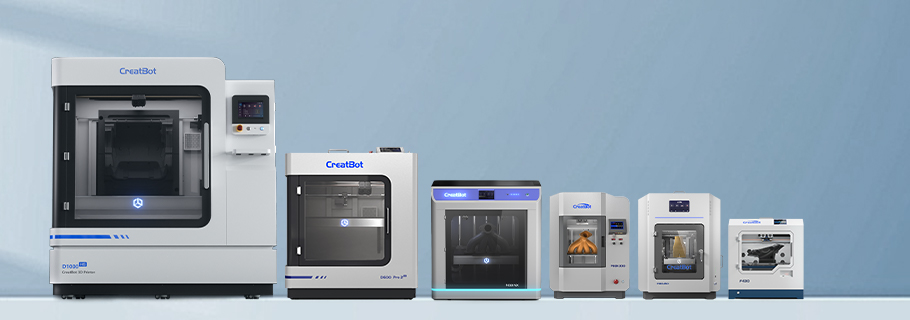


Large-Format High-Temperature Printing and Nylon Carbon Fiber Material Solution for Small-Batch Prototype Manufacturing
Introduction: When "Fast" Meets "Strong"
In the automotive R&D field, time is the market, and the efficiency of prototype validation directly determines the speed of product iteration. When Tesla and its partners sought solutions for validating new generation automotive seat parts, their core challenge was: how to conduct rapid small-batch delivery validation of product prototypes without sacrificing functionality?
The answer came from an efficient application of additive manufacturing technology—by deploying 15 CreatBot D600 Pro2 HS large-format high-temperature 3D printers, the project team successfully delivered 100 sets of seat part models directly usable for functional testing within 10 days, with a printing success rate of 92%, perfectly meeting Tesla's dual demands for speed and quality.
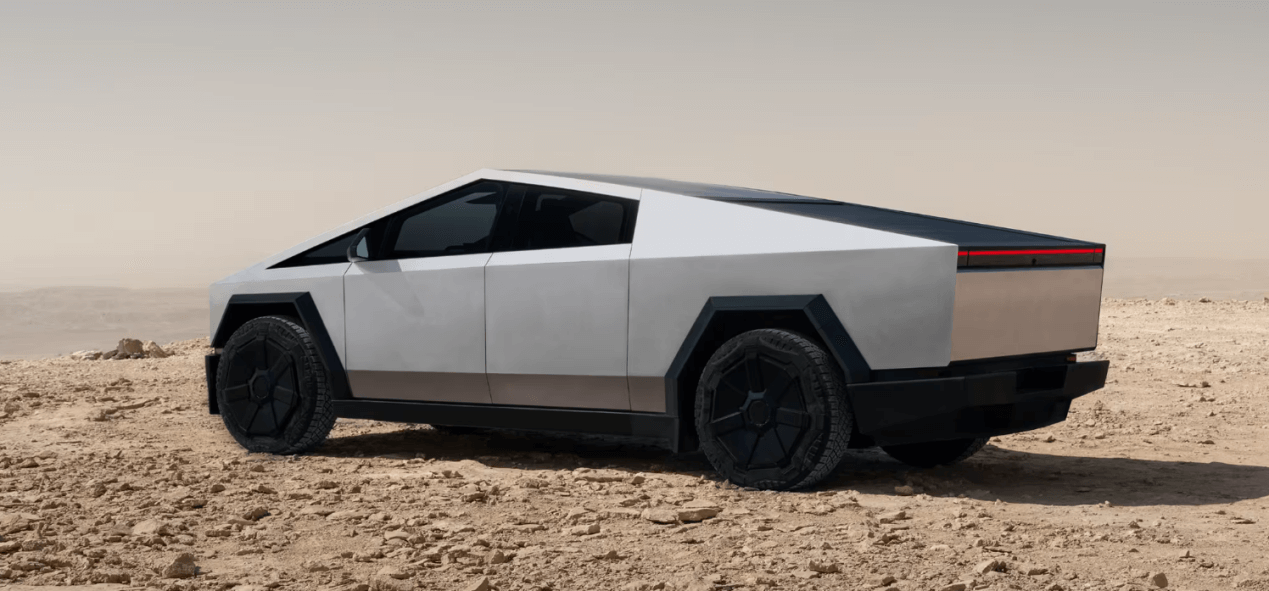
Automotive Manufacturer@Tesla
Industry Background: The Dilemma of Traditional Prototype Manufacturing
Validation of automotive interior components, especially seat systems, is far more complex than just "making a shape." It requires prototypes that can withstand real-world conditions such as seat heating, long-term wear resistance, and structural strength testing. Traditional CNC machining or mold injection methods reveal obvious shortcomings at this stage:
- Long Cycle Time: Single mold opening or programming and processing takes weeks, seriously slowing down the R&D process.
- High Costs: The unit cost for small-batch trial production is extremely high, resulting in poor economic efficiency.
- Rigid Iteration: Long waiting times stifle the possibility of rapid trial-and-error and design optimization.
- Insufficient Functional Validation: Many traditional prototypes only have appearance properties and cannot withstand real functional validations such as seat heating, durability testing, and strength testing.
Tesla's project requirements were precisely to break this traditional dilemma and find an innovative path that could achieve both rapid batch delivery and meet strict functional validation.
Solution: CreatBot D600 Pro2 HS Large-Format High-Temperature 3D Printing System
In response to these challenges, the project team introduced the CreatBot D600 Pro2 HS large-format high-speed industrial 3D printing solution.
Core Equipment: CreatBot D600 Pro2 HS
- Large Forming Space: 600*600*600mm build volume can accommodate a complete automotive seat part without the need for segmentation and splicing, ensuring the integrity and structural strength of the part.
- Active Chamber Temperature Function: The constant temperature chamber can reduce the impact of environmental humidity on hygroscopic materials, improve interlayer adhesion, and optimize process consistency; this is a key technical guarantee for successfully printing high-performance engineering plastics (such as nylon carbon fiber), effectively preventing warping and cracking caused by temperature differences during the printing process.
- High Precision and Reliability: The industrial-grade design ensures the stability and printing accuracy of the equipment during long-term continuous operation, laying the foundation for the 92% high success rate.
Core Material: UltraPA-CF (Nylon Carbon Fiber Composite Material)
The selected material directly determines the functional properties of the prototype. UltraPA-CF material perfectly meets the validation requirements for automotive seats:
- High-Temperature Resistance: Can withstand temperatures above 150°C for long periods, fully meeting the testing environment requirements of seat heating systems without deformation or failure due to heat.
- Excellent Mechanical Strength and Wear Resistance: The reinforcing effect of carbon fiber gives it strength and rigidity close to the final injection-molded parts, making it suitable for assembly validation, durability testing, and ergonomic pressure testing.
- Lightweight: While ensuring strength, it achieves lightweight parts, in line with Tesla's overall design philosophy.
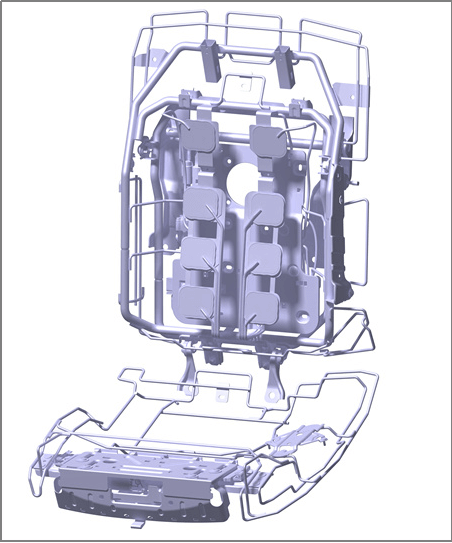
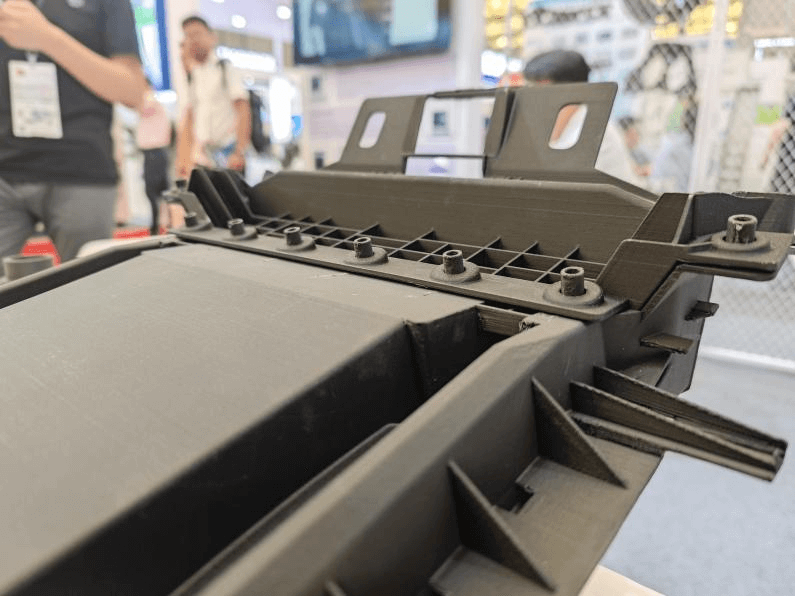
3D Printing Solution@CreatBot
Implementation Process and Results
Project Goal: Deliver 100 sets of automotive seat part models usable for functional validation within 10 days, in three batches.
Implementation Process
- Digital Model Preparation: Receive 3D models provided by Tesla and perform pre-printing model optimization processing suitable for 3D printing.
- Parallel Printing Production: Deploy 15 units of CreatBot D600 Pro2 HS equipment to form a small "printing factory," operating 7x24 hours continuously with full team support.
- Efficient Printing Operations: Control the printing cycle of a single model within 2-3 days. Ensure smooth production flow through scientific scheduling and equipment management.
- Post-Processing and Quality Inspection: After printing is completed, perform necessary support removal and surface treatment, and conduct quality inspections on each part.
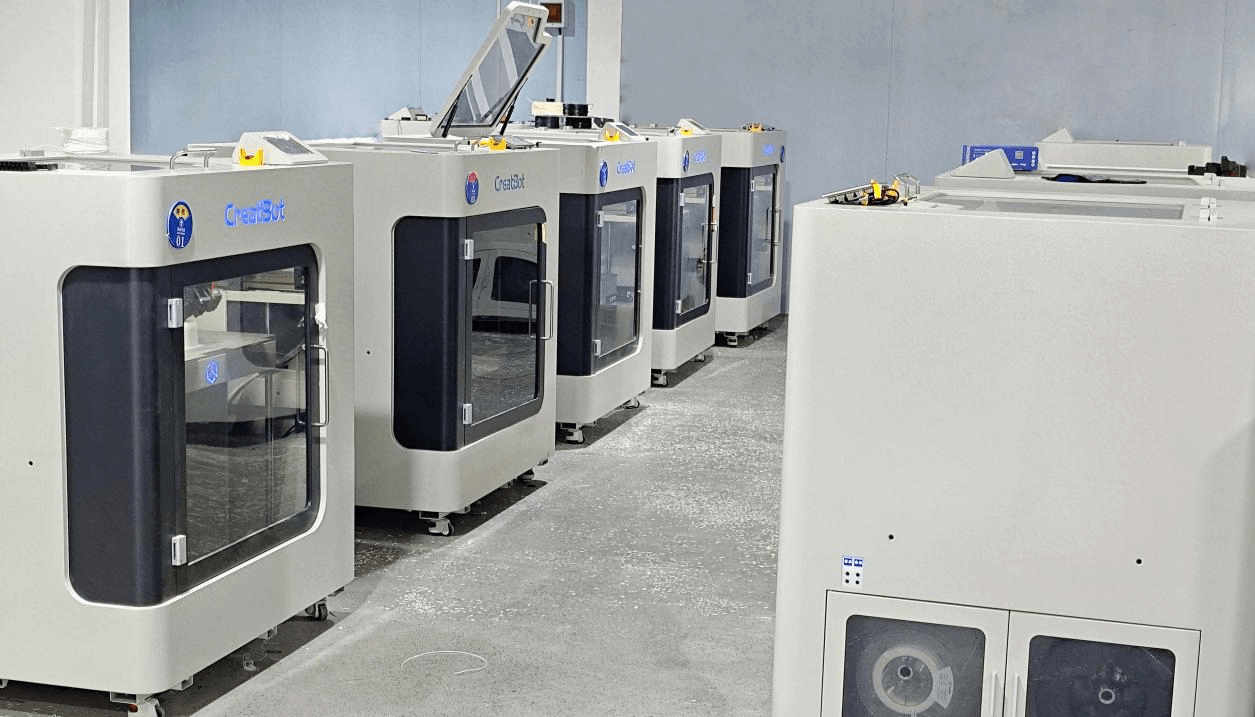
Batch 3D Printing Process@CreatBot
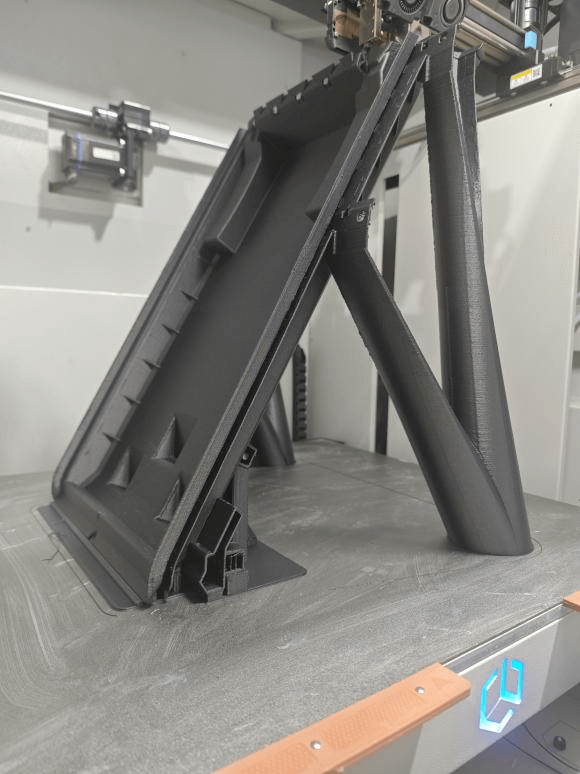
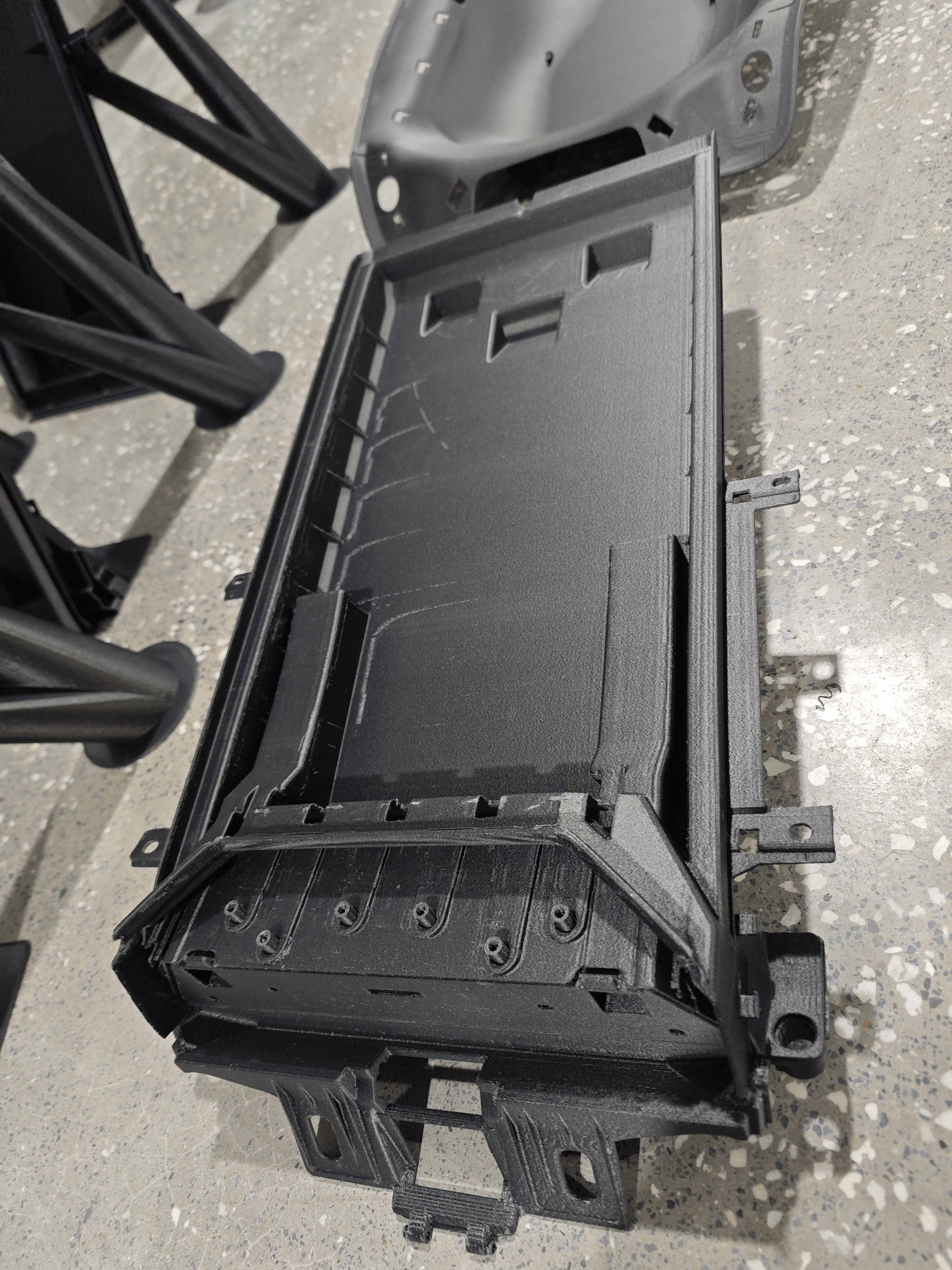
3D Printing Process and Model Detail Display@CreatBot
Outstanding Results
- Rapid Delivery: Successfully delivered 100 sets of high-quality models in just 10 days, reducing time by over 70% compared to traditional methods.
- Ultra-High Success Rate: The overall printing success rate stabilized at 92%, greatly reducing material waste and rework time, ensuring delivery certainty.
- Direct Functional Validation: The printed parts not only have accurate shapes but also, due to their high-temperature resistance and high-strength properties, can be directly installed on test vehicles for comprehensive functional validation including heating, ventilation, adjustment, and load-bearing, providing extremely reliable first-hand data for Tesla's design decisions.
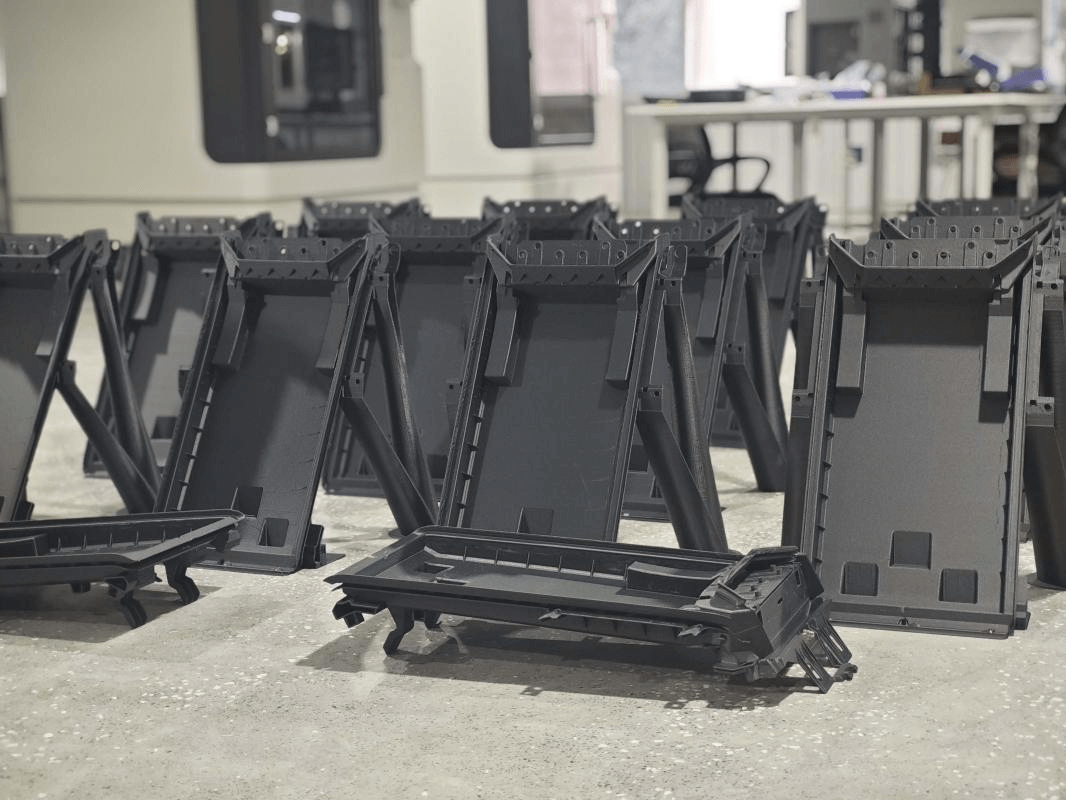
Installation and Testing Process of Delivered Products@Tesla
Conclusion and Outlook
This case fully demonstrates that additive manufacturing has evolved from "making appearance models" to a new stage of "manufacturing functional components." The CreatBot D600 Pro2 HS large-format high-speed 3D printing system combined with high-performance composite materials has brought about changes to the automotive manufacturing industry:
- Accelerated Innovation: Shortening months to days, greatly releasing engineers' creativity and iteration efficiency.
- Reduced Costs: Avoiding high mold costs, especially suitable for small-batch, multi-variety R&D and trial production scenarios.
- Improved Quality: The produced functional prototype parts can be directly used for strict testing, discovering and solving problems in advance, and improving the reliability and user experience of the final product.
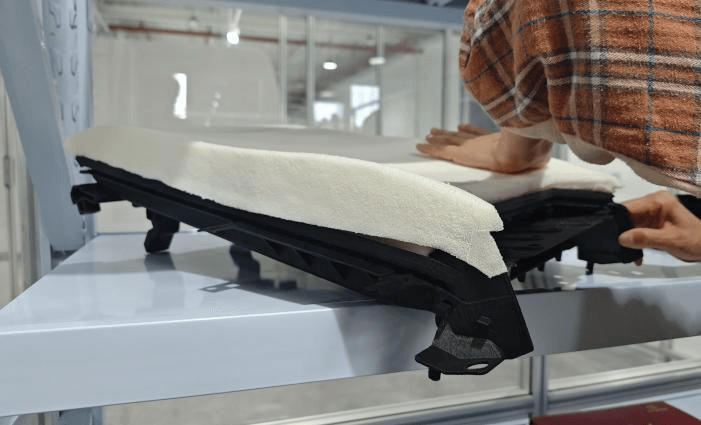
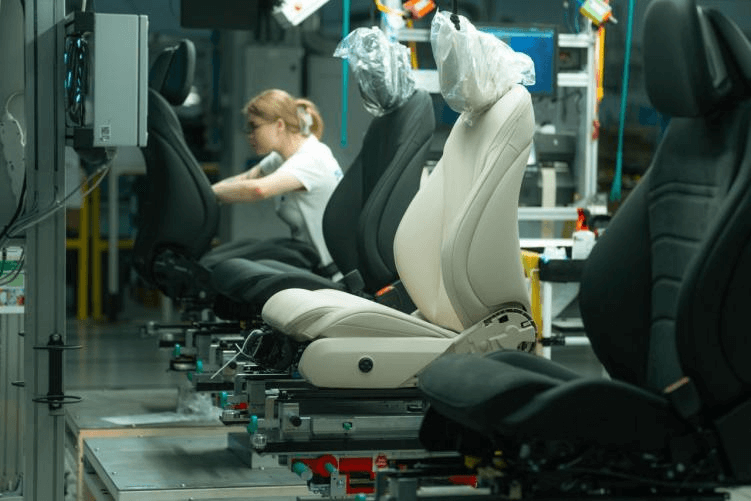
Automotive Seat Application Case@Tesla
In the future, with the further development of materials science and continuous innovation of 3D printing technology, the application of additive manufacturing in the automotive field will extend from rapid prototyping (RP) to tooling fixtures, small-batch end-part production (small-batch customized interior parts), and even broader spaces. CreatBot will continue to be committed to providing high-performance, high-reliability industrial-grade additive manufacturing solutions, working with industry partners to drive the digital transformation of automotive manufacturing.